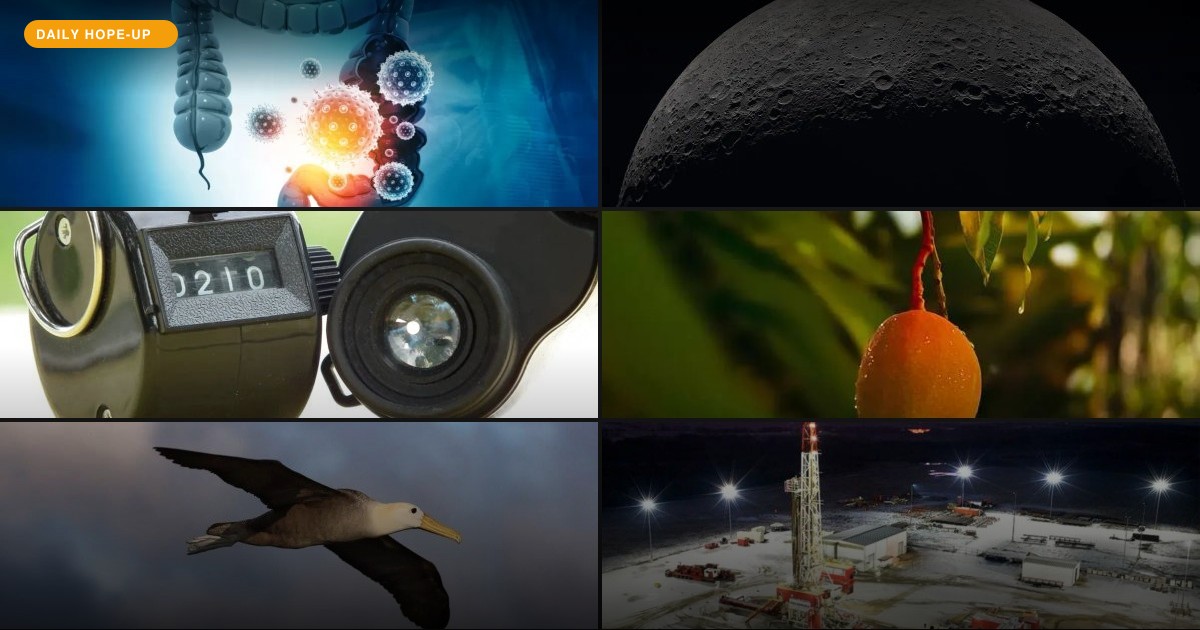
Today felt like a day of grand surveys, both cosmic and microscopic. While the Artemis II crew was busy sending back the ultimate 'Earthset' photo, scientists here on the ground were peering into the depths of our own bodies and the hidden lives of migratory birds. It seems we're getting better at finding things, whether they're 238,900 miles away or just incredibly well-camouflaged.
Close Encounters of the Planetary Kind
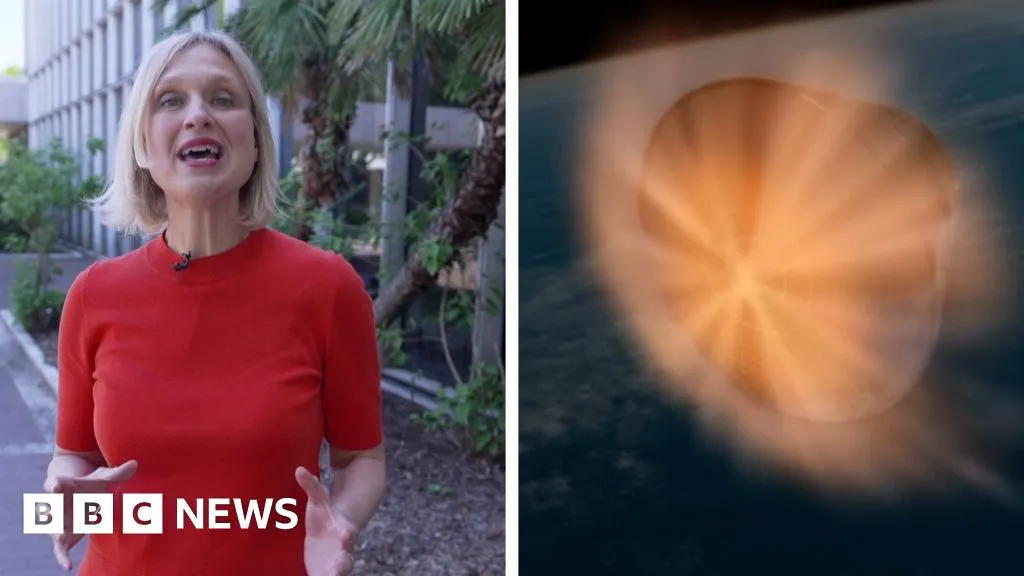
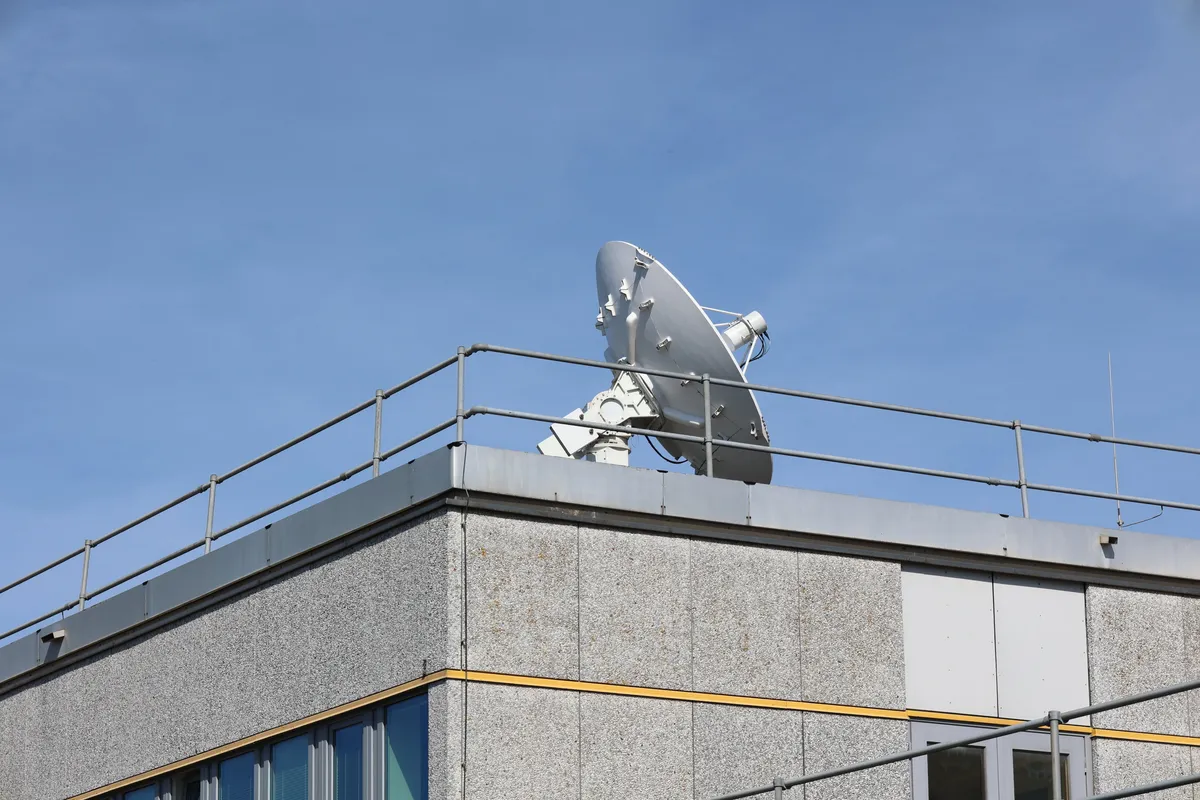
Space was certainly having a moment. The Artemis II crew, after their dizzying journey around the Moon, began their careful descent home, with headlines like "Artemis II Astronauts Are Headed Home. Here's How They Don't Incinerate." (a rather pressing concern, one might imagine). Meanwhile, Europe just quietly made its own orbital history, with headlines proclaiming "Europe Just Sent a Navigation Signal From Low Earth Orbit. Why That's Huge." It seems the cosmos is getting a bit more crowded, and a lot more mapped, thanks to our persistent curiosity. 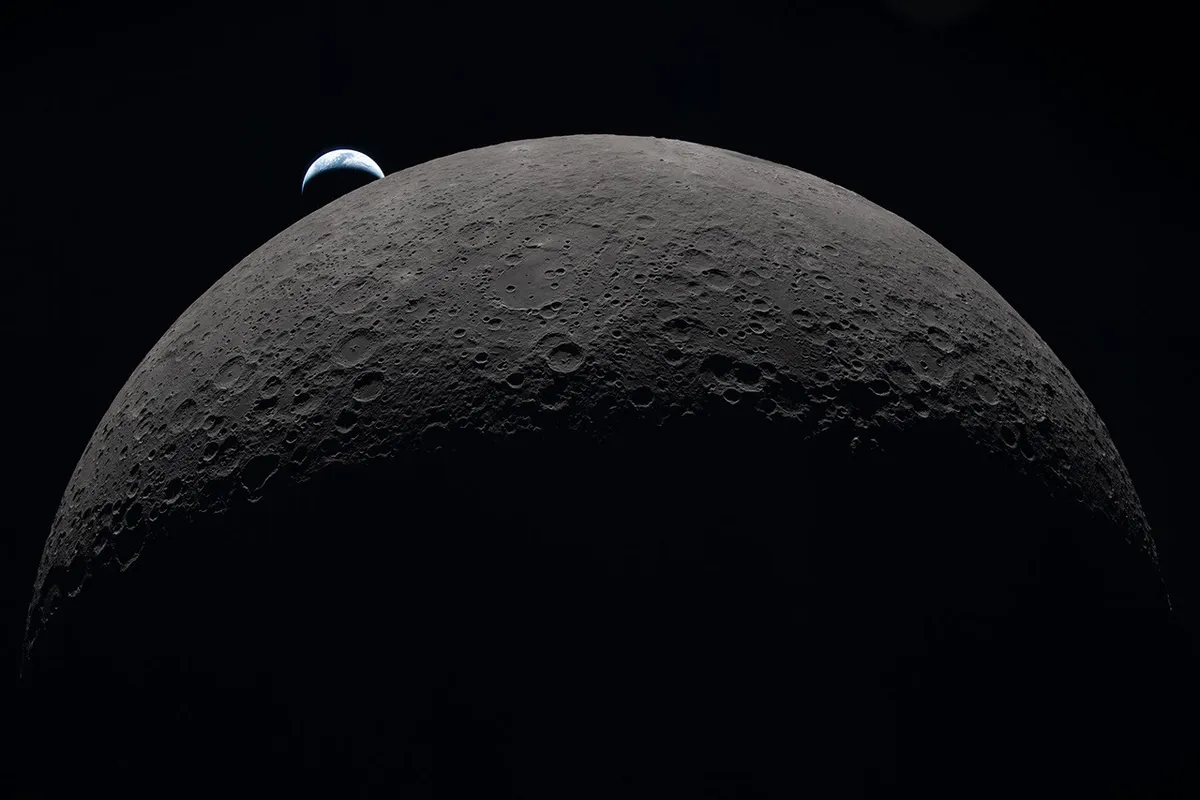
Finding What Was Lost
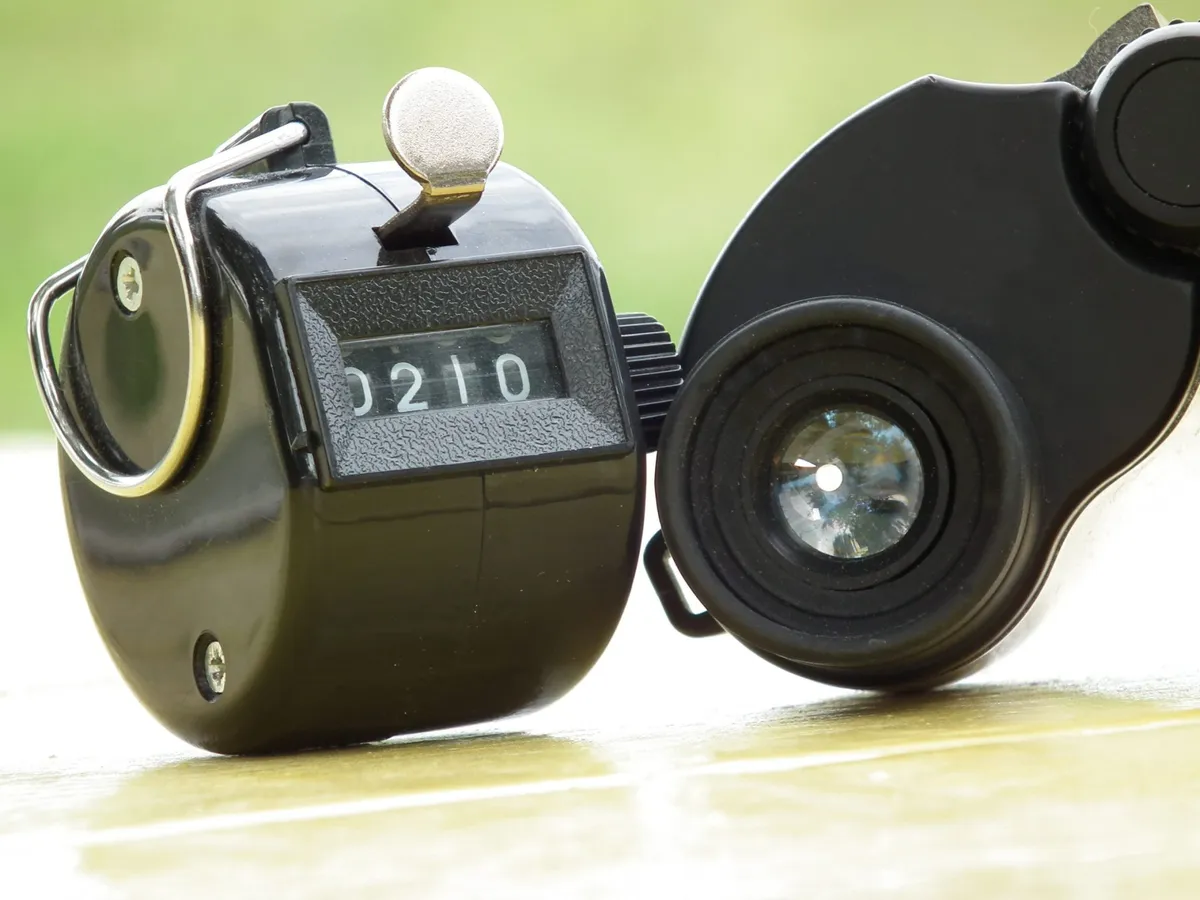
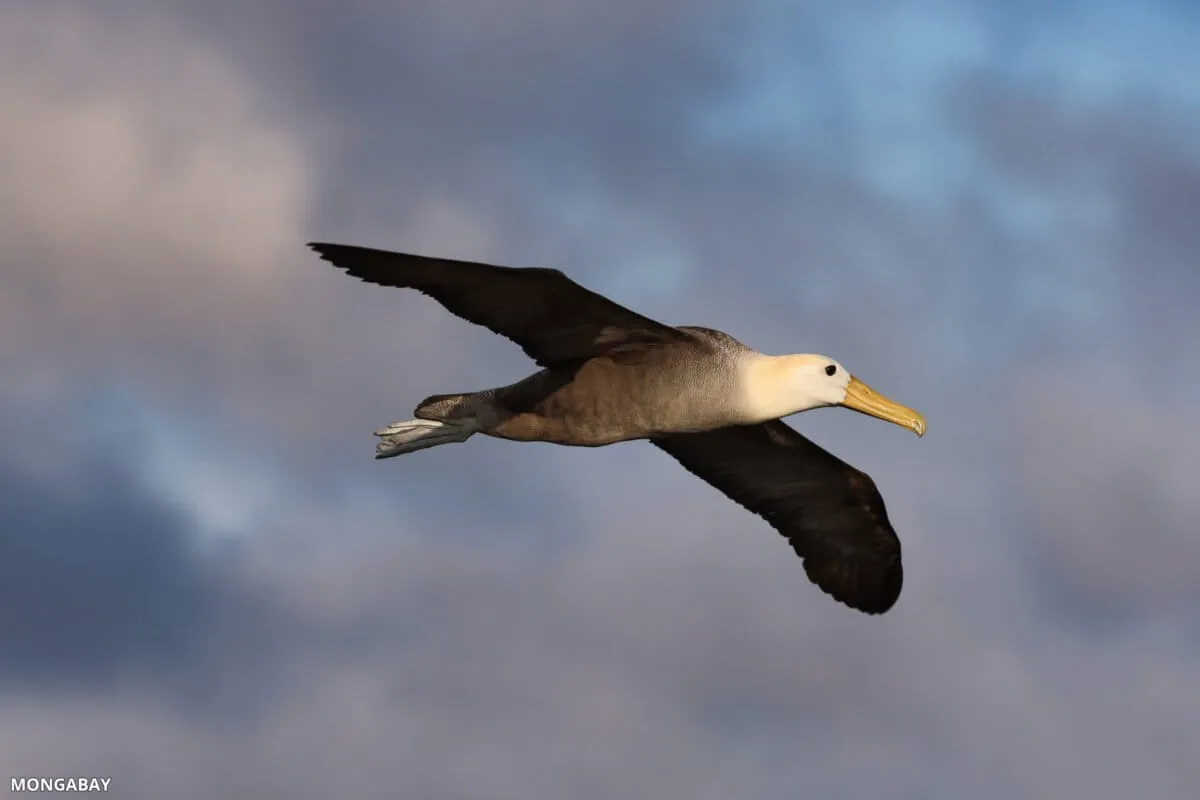
Back on Earth, the theme of discovery continued, albeit on a slightly smaller, feathered scale. "Five 'Lost' Birds Just Reappeared Thanks to the Internet and Sharp-Eyed Amateurs" read one article, a delightful reminder that sometimes, the best technology is simply a pair of binoculars and a persistent birdwatcher. These aren't just feel-good stories; they're vital for understanding our changing ecosystems, especially when other headlines warn us that "Seabirds Are Vanishing. Now We Know Where They're Going." Knowing where they've gone, and where they are, is the first step to making sure they stick around.
We're a new kind of news feed.
Regular news is designed to drain you. We're a non-profit built to restore you. Every story we publish is scored for impact, progress, and hope.
Start Your News DetoxAnd in perhaps the most intimate discovery of the day, a new "Stool Test Detects 90% of Colorectal Cancers. Goodbye, Colonoscopy?" Now that's a find worth celebrating.