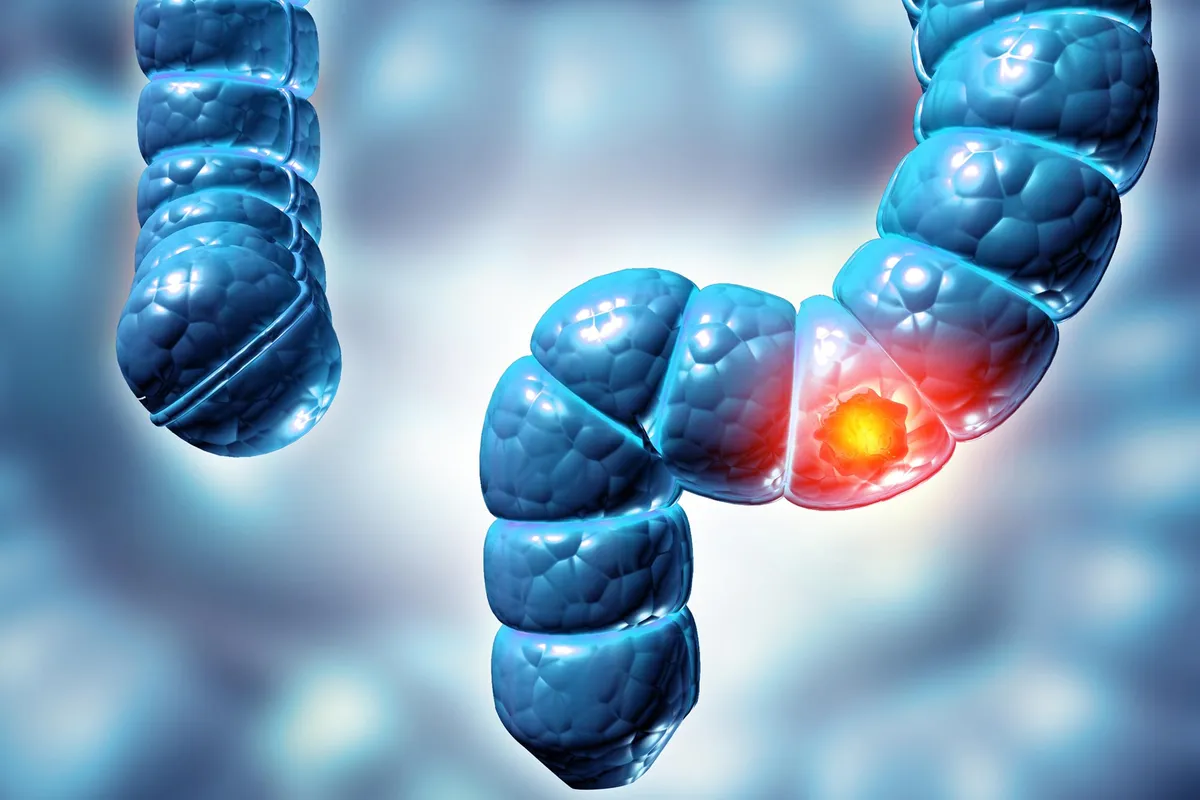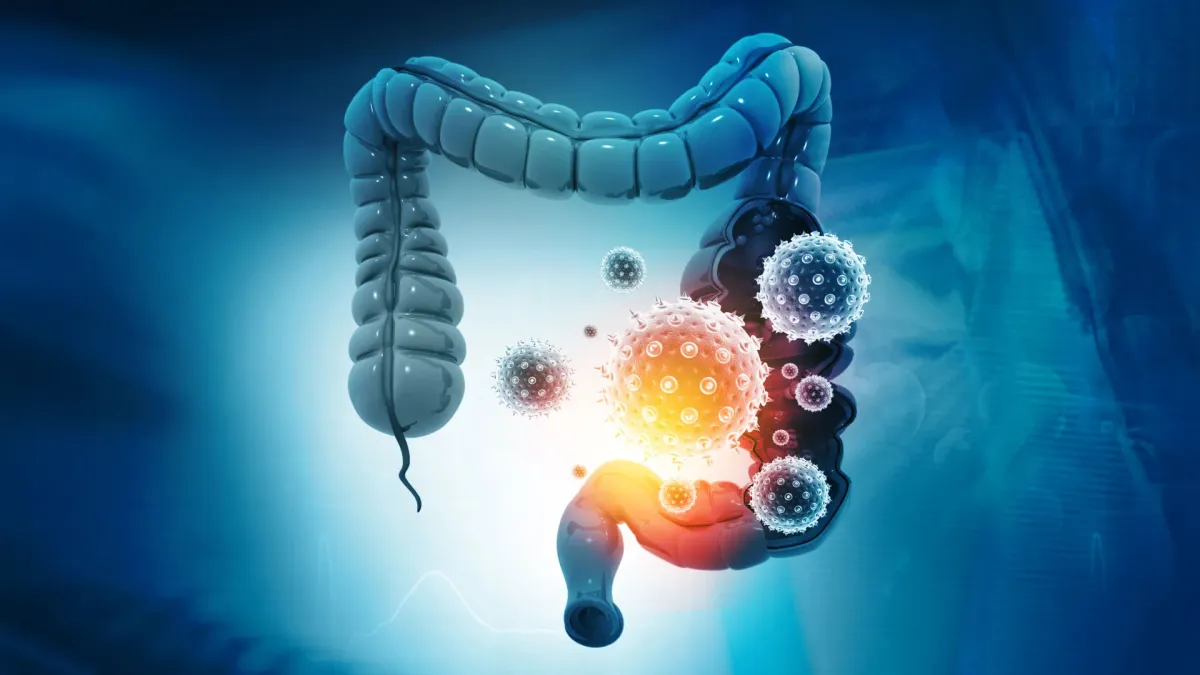
Imagine a world where the most dreaded cancer screening involves… well, just a stool sample. Researchers at the University of Geneva (UNIGE) are bringing that future a whole lot closer, thanks to a seriously clever new method that sniffs out colorectal cancer with a remarkable 90% accuracy.
Colorectal cancer, for all its nastiness, is highly treatable if caught early. The problem? The gold standard screening, the colonoscopy, isn't exactly a picnic. It's expensive, uncomfortable, and frankly, a bit of a production, which means a lot of people just don't get it done. And that's a problem, especially as cases are inexplicably on the rise in younger adults.
Enter the humble gut microbe.
Your Gut Bacteria: The Ultimate Informants
Scientists have long suspected our internal bacterial roommates play a role in colorectal cancer. But trying to turn that into a diagnostic tool has been like trying to herd cats — specifically, billions of microscopic cats with wildly different personalities. The issue isn't just which bacteria are present, but their specific subspecies, which can act very differently. Some might be cheerleaders for cancer growth, while others just… exist.
We're a new kind of news feed.
Regular news is designed to drain you. We're a non-profit built to restore you. Every story we publish is scored for impact, progress, and hope.
Start Your News DetoxMirko Trajkovski, a professor at UNIGE, led a team that decided to go granular. They focused on these bacteria subspecies, realizing this level of detail was specific enough to pinpoint disease-causing functions, yet broad enough to apply across diverse populations. Which, if you think about it, is both impressive and slightly terrifying. Your gut knows everything.
AI Decodes the Microbe Mystery
To pull this off, they needed some serious computational muscle. Matija Trickovic, a PhD student and lead author, explained the challenge: creating an entirely new way to analyze the sheer volume of biological data. The result? The first comprehensive catalog of human gut bacteria subspecies, powered by machine learning.
They then fed this microbial Rosetta Stone, combined with existing patient data, into a model. The goal: to find colorectal cancer from a simple stool sample. The results? Better than anyone expected. Their method detected 90% of cancer cases. Let that satisfying number sink in.
That's just shy of a colonoscopy's 94% detection rate and significantly better than all other non-invasive tests currently out there. With more data, the model could get even sharper, potentially matching colonoscopy performance. The future could see this test as a regular screening, with colonoscopies reserved for confirming positive results. Because apparently that's where we are now: letting AI analyze our poop to save lives. And honestly, we're here for it.
Beyond cancer, this subspecies-level analysis could unlock insights into how gut microbes influence a whole host of other health conditions. So, while we're still a clinical trial away from wide adoption, the days of colonoscopy dread might just be numbered. And all because someone finally asked the right questions of our microscopic gut inhabitants.