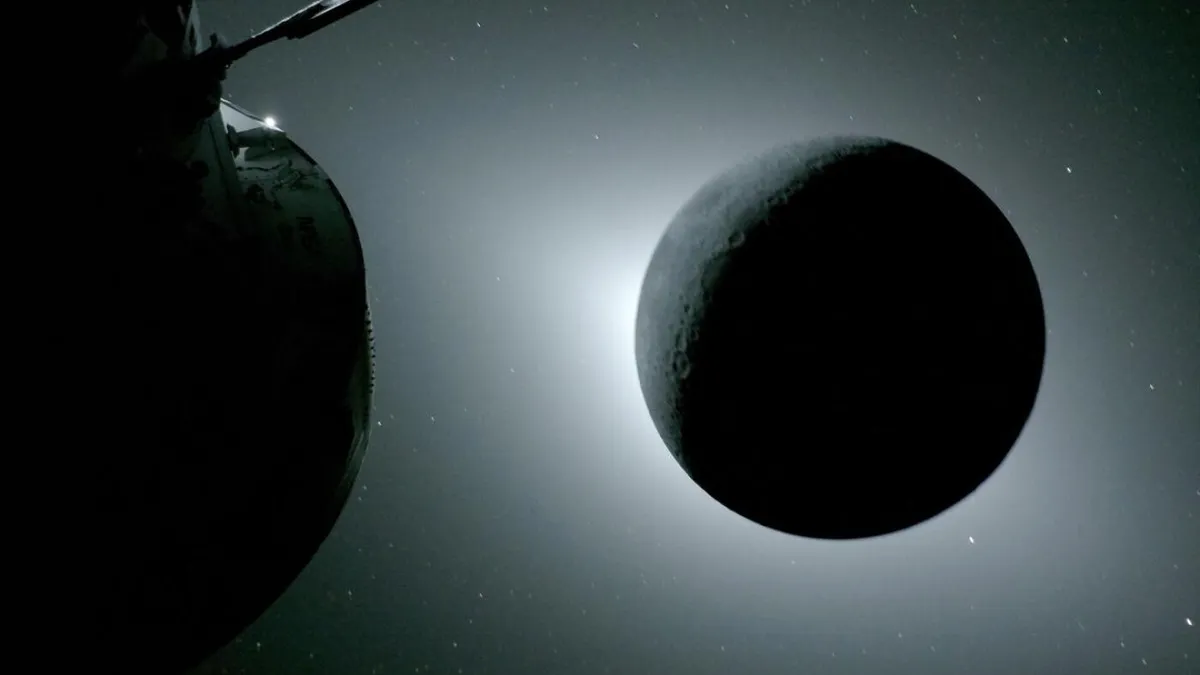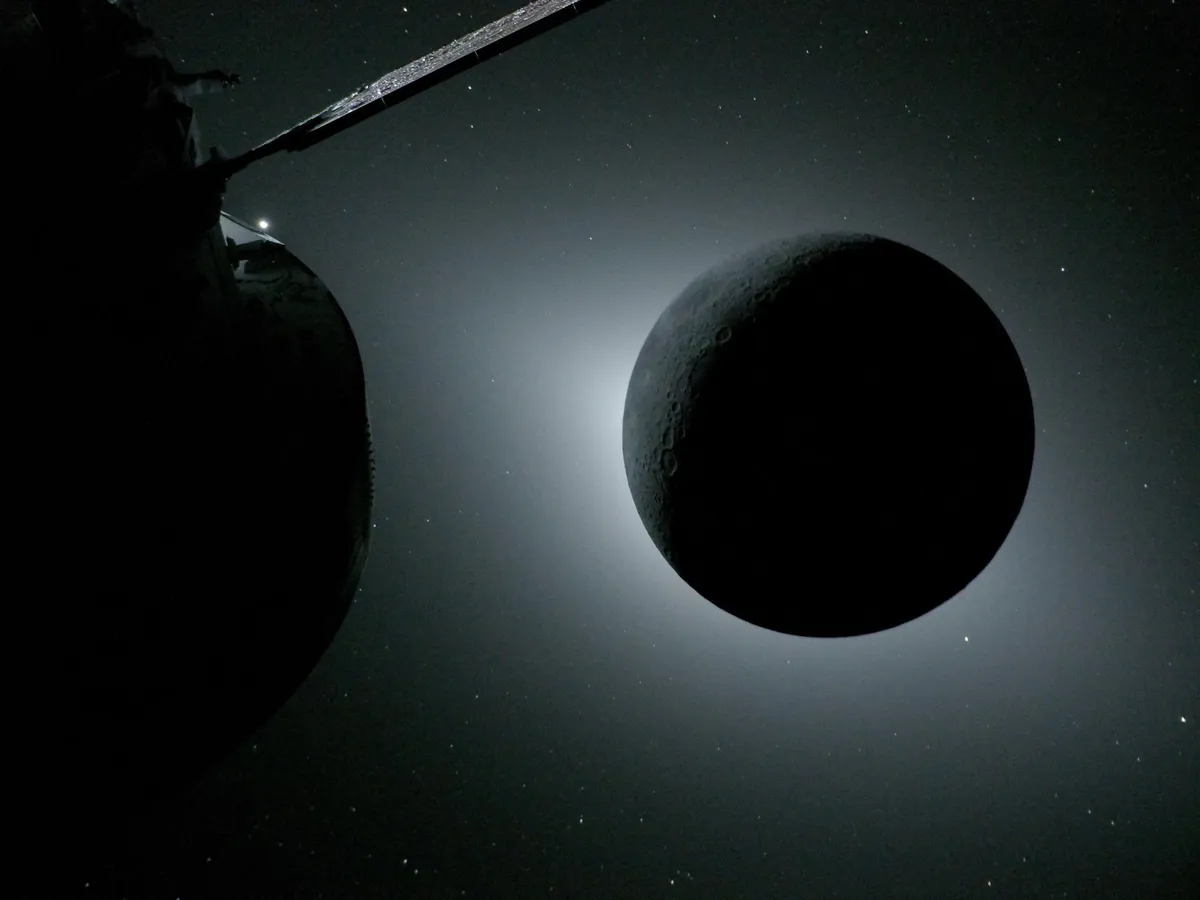
Turns out when you send humans to the literal dark side of the Moon, they bring back some pretty wild vacation photos. NASA's Artemis II crew just dropped the first official images from their historic test flight, including parts of the lunar surface no human has ever seen, and, perhaps most spectacularly, a solar eclipse viewed from space.
Because apparently, that's where we are now. We're getting eclipse photos from the other side of the Moon.
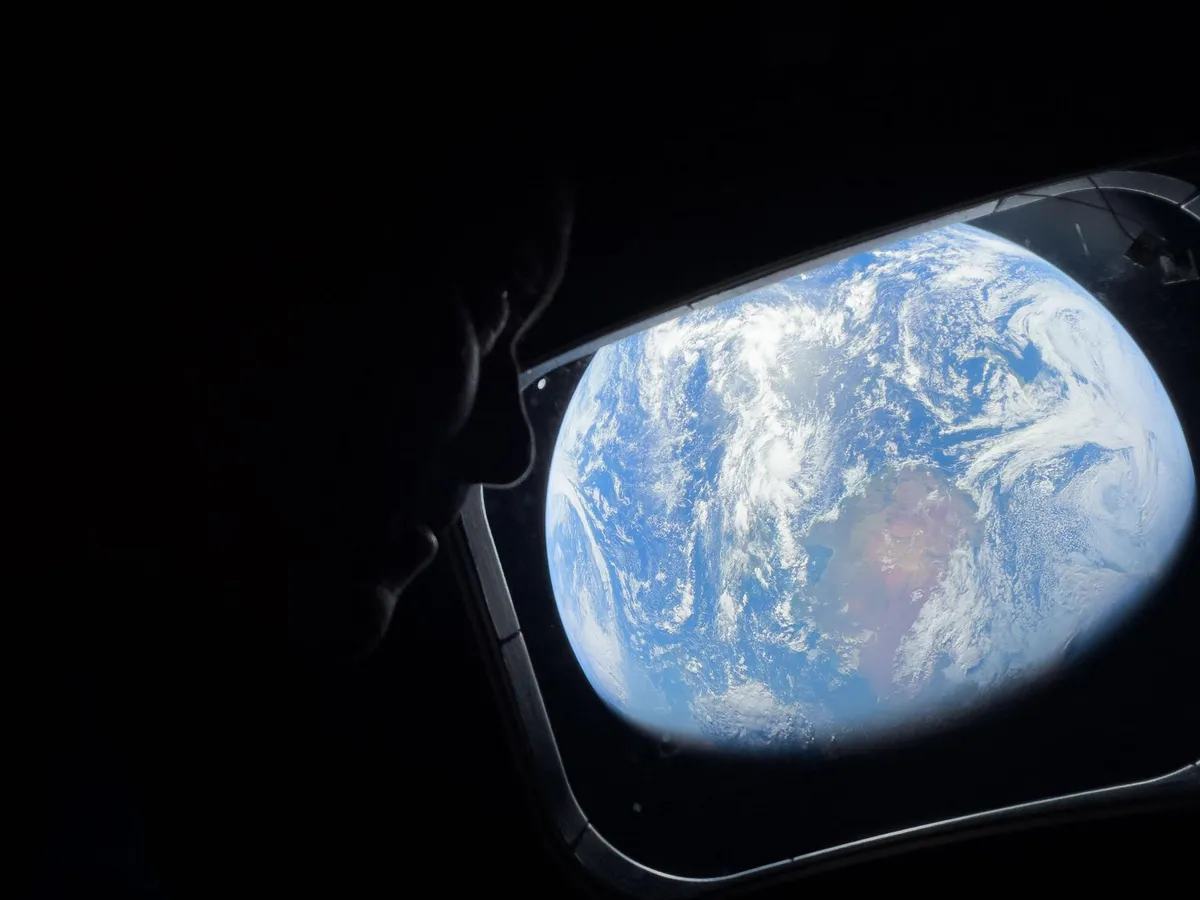
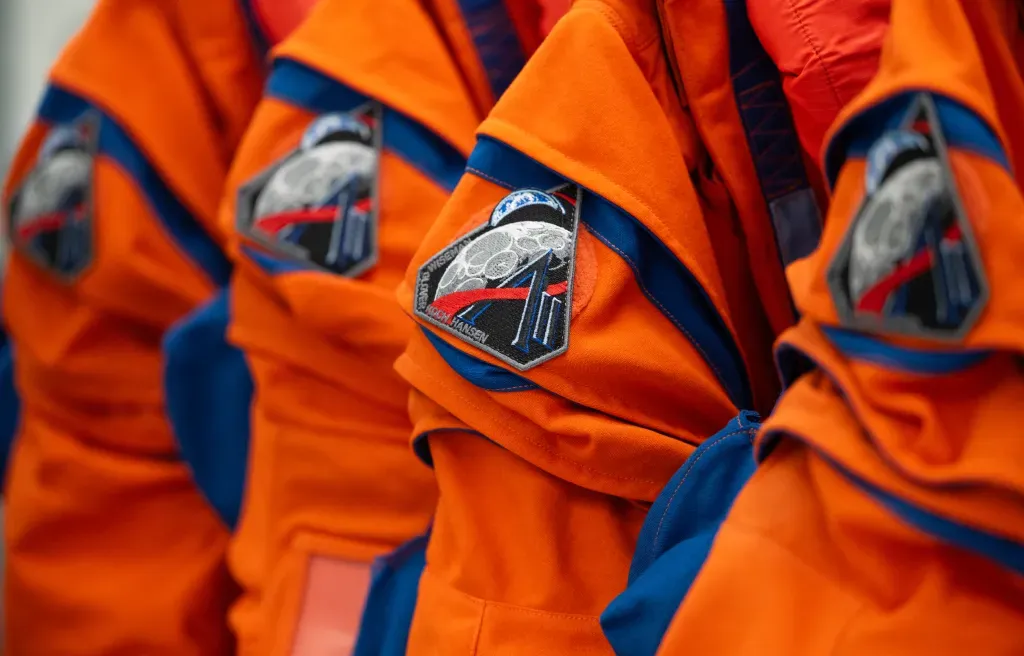
The four-person crew — NASA astronauts Reid Wiseman, Victor Glover, Christina Koch, and Canadian Space Agency astronaut Jeremy Hansen — captured these cosmic selfies on April 6. They spent seven hours on the far side of the Moon, snapping thousands of shots with a variety of cameras. NASA's released a first batch, with more promised soon, as the crew is now more than halfway home.
We're a new kind of news feed.
Regular news is designed to drain you. We're a non-profit built to restore you. Every story we publish is scored for impact, progress, and hope.
Start Your News DetoxDr. Nicky Fox, the associate administrator for Science Mission Directorate at NASA, put it best: these images are "exquisite and brimming with science." Translation: they're not just pretty, they're packed with data.
Earthrise, Earthset, and Meteoroid Flashes
While we're all busy trying to get a decent picture of our dinner, these astronauts were documenting impact craters, ancient lava flows, and surface fractures. Because, you know, geology. They studied differences in color, brightness, and texture, all of which helps scientists understand how the Moon became the pockmarked orb we know and love.
And then there's the truly mind-bending stuff: an "earthset" and an "earthrise" (yes, the Earth sets and rises when you're on the Moon), a view of the Sun's corona during an eclipse, and even six meteoroid impact flashes on the lunar surface. Imagine seeing that out your window. Your phone's camera would simply give up.
Scientists are already poring over every pixel, every audio clip, and every bit of data, comparing notes with observations from amateur astronomers back home. It's all part of a grand plan to better understand the Moon's geology, guide future missions, and eventually, establish a lasting human presence there before we set our sights on Mars. Which, if you think about it, is both impressive and slightly terrifying.
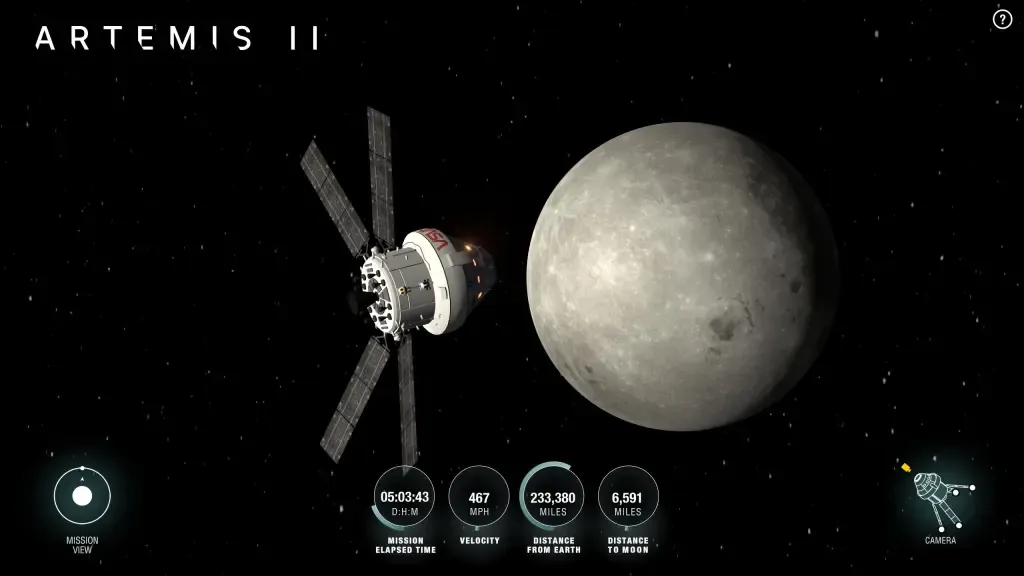
Jacob Bleacher, NASA’s chief exploration scientist, noted how hearing the crew describe these views was remarkable. Now, with these higher-resolution images, everyone gets to truly appreciate the science. Which is a good thing, because Artemis II is slated to splash down off the coast of San Diego on Friday, April 10, at 8:07 p.m. EDT. So, if you're not busy, you can watch them come home.
This is just the beginning. NASA plans for increasingly challenging missions, pushing the boundaries of scientific discovery and, dare we say, even economic benefits on the Moon. All in preparation for humanity's next giant leap: Mars. Because apparently, the Moon is just our cosmic stepping stone.