For anyone who's ever lost their phone charger, imagine trying to find a specific, highly valuable mineral that's crucial for all phone chargers — and electric cars, and wind turbines — hidden deep inside the Earth. Not easy, right?
Well, scientists just got a whole lot closer to finding those elusive rare earth elements. They've discovered a cosmic treasure map, not of stars, but of ancient continental roots, showing where these modern-day goldmines are most likely lurking.
Turns out, the secret lies in some unusual, CO2-rich rocks and the incredibly thick, old 'roots' of our continents. Researchers from the University of Cambridge looked at these rocks from around the globe, and a clear pattern emerged: they like to hang out near the deepest, most ancient parts of Earth's landmasses.
We're a new kind of news feed.
Regular news is designed to drain you. We're a non-profit built to restore you. Every story we publish is scored for impact, progress, and hope.
Start Your News DetoxThe Earth's Deep Freeze and Slow Cooker
Think of Earth's rigid outer layer, the lithosphere, as having these super-sized, ancient foundations. Where these foundations are thickest, they create a kind of geological slow cooker. They trap molten rock (magma) deep underground for millions of years. And over those eons, these isolated magma pockets slowly, patiently gather valuable metals, like a super-slow, super-hot magnet.
Dr. Emilie Bowman, the lead author, explained that this finding is a major step in predicting where these rocks — and their precious rare earth deposits — might form. The findings, which will undoubtedly make a few mining companies very happy, were published in Nature Geoscience.
Why does this matter? Because rare earth elements are the unsung heroes of our tech-driven lives. Your smartphone, that shiny new EV, the giant wind turbine making clean energy? All need them. And the world needs a more reliable, less geopolitically fraught supply.
Shaking the Earth for Clues
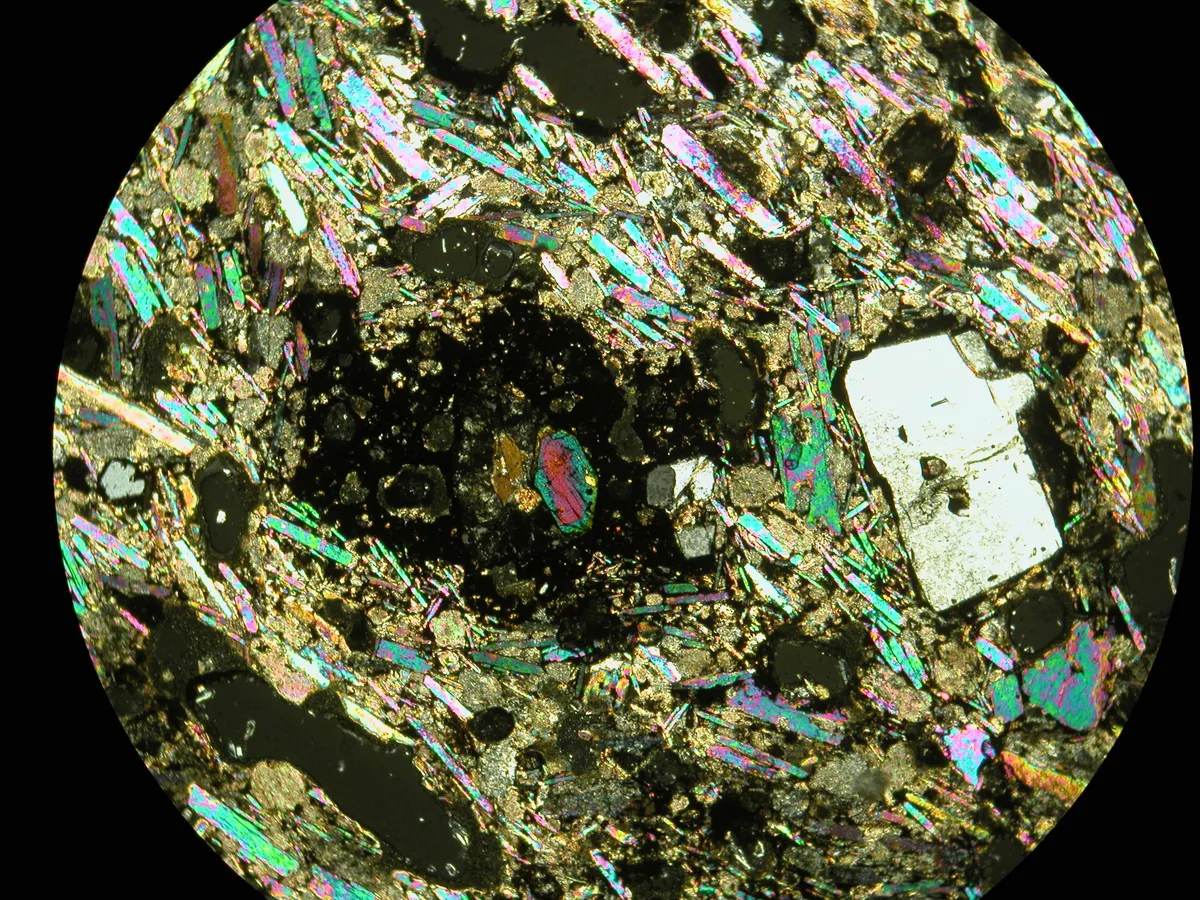
Past studies usually focused on single deposits, like looking for one specific tree in a vast forest. But this team went global, looking at thousands of samples and, crucially, peering deep beneath the surface for bigger geological patterns. Bowman meticulously collected chemical data from about 9,000 igneous rock samples worldwide, all sporting high levels of dissolved CO2 — the very thing that helps rare earth elements concentrate.
Professor Sally Gibson, a senior author, noted that these CO2-rich igneous rocks used to be mere curiosities to geologists. Now, they're the geological equivalent of finding a forgotten lottery ticket. Many even have wonderfully arcane names, which, if you think about it, is both impressive and slightly terrifying.
To really nail down the map, the team brought in geophysicists Professor Sergei Lebedev and Dr. Siyuan Sui. They combined the rock data with seismic imaging — basically, using earthquake waves to create sonar-like maps of Earth's interior.
Lebedev explained that these seismic waves can image the lithosphere, revealing its thickness and structure. And voilà: the thickest parts of the lithosphere correlated perfectly with where these rare earth-friendly rocks were found. Specifically, near the steep edges of Earth's oldest and thickest lithosphere.
The theory is that this thick lithosphere keeps mantle rocks under high pressure and relatively cool, limiting how much rock melts. Only small amounts of magma form, which then get trapped at the lithosphere's base, cooling into those CO2-rich rocks. Later, more geological shenanigans can partially melt them again, further concentrating the rare earth elements into the valuable deposits we desperately need.
Next up, the team is tackling rocks older than 200 million years — which happen to host many of the world's biggest rare earth mines. Studying these ancient rocks is like trying to read a very old, water-damaged map, but Gibson is hopeful. Because if they can unlock those secrets, we might just have enough rare earth elements for all the gadgets, gizmos, and green tech the future demands.