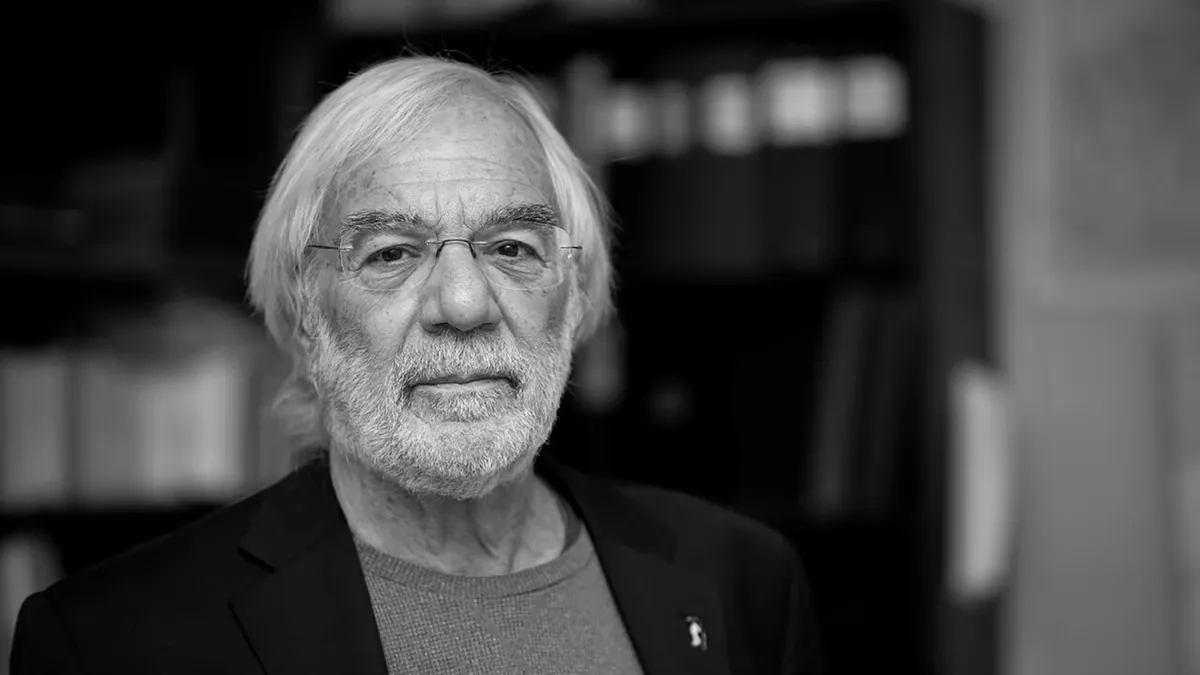
Most of us look at the vast, churning North Atlantic and see… well, a lot of water. But Bill Montevecchi saw something else entirely: a bustling network of tiny, feathered informants. For over 50 years, Montevecchi, who recently passed away at 80, treated seabirds like murres, puffins, and fulmars as the ocean's most trusted, if somewhat squawky, witnesses.
He figured these birds weren't just flapping around aimlessly. Their breeding success, their feeding frenzies (or lack thereof), even their sudden disappearances — all of it was data. It offered crucial insights into everything from fish populations to shifting currents and pollution levels, painting a picture of an ecosystem that’s usually hidden beneath the waves.
Montevecchi’s work didn’t just make seabirds famous as environmental barometers; it made him a rockstar interpreter of marine science in Canada. He wasn't content to just publish in academic journals (though he did plenty of that). He advised governments, wrote newspaper columns, and appeared on the radio, all with one goal: to translate what the birds were saying and convince everyone else to listen.
We're a new kind of news feed.
Regular news is designed to drain you. We're a non-profit built to restore you. Every story we publish is scored for impact, progress, and hope.
Start Your News DetoxBorn in New York, Montevecchi caught the bird bug early. He trained as an ornithologist and then — in a move that sounds like the plot of a charming indie film — relocated to Newfoundland. There, at Memorial University, he found his calling, surrounded by massive seabird colonies, rich seas, and an endless supply of unanswered questions. Which, if you think about it, is a pretty good way to spend a life.