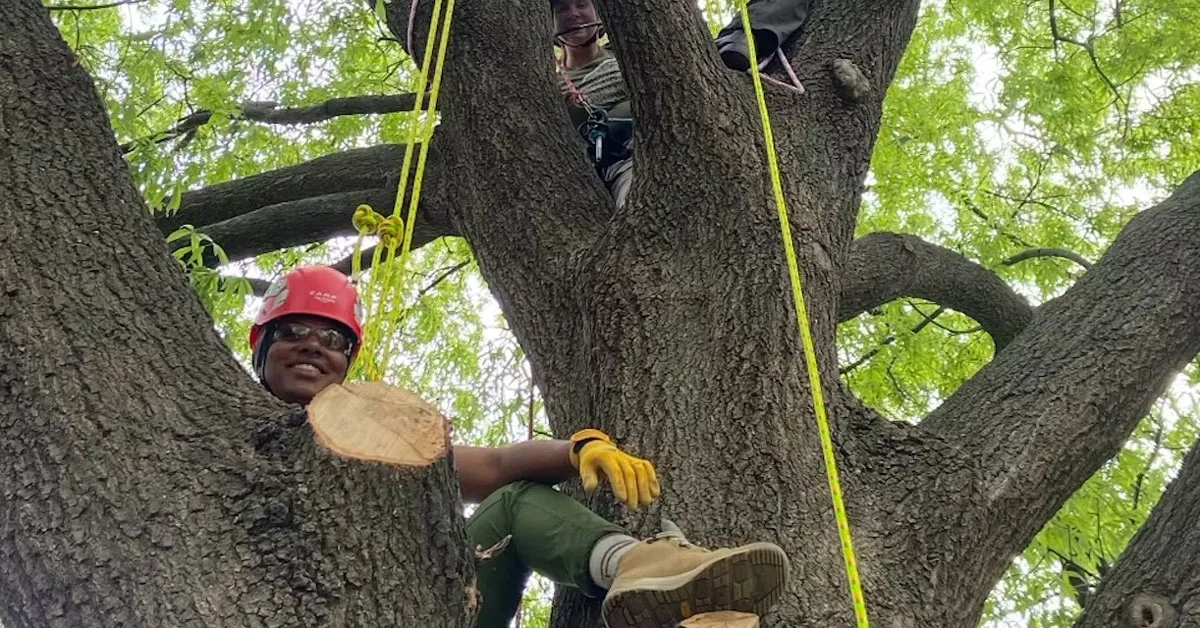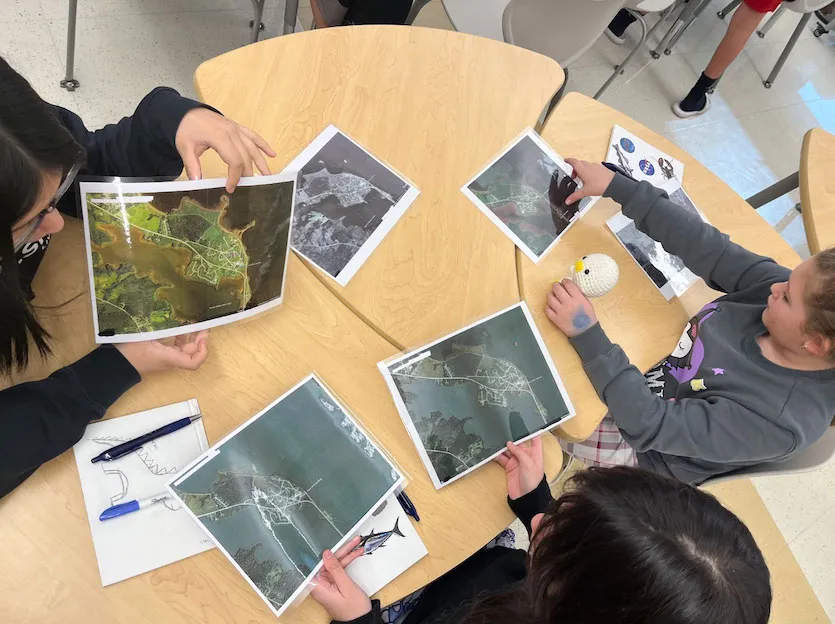
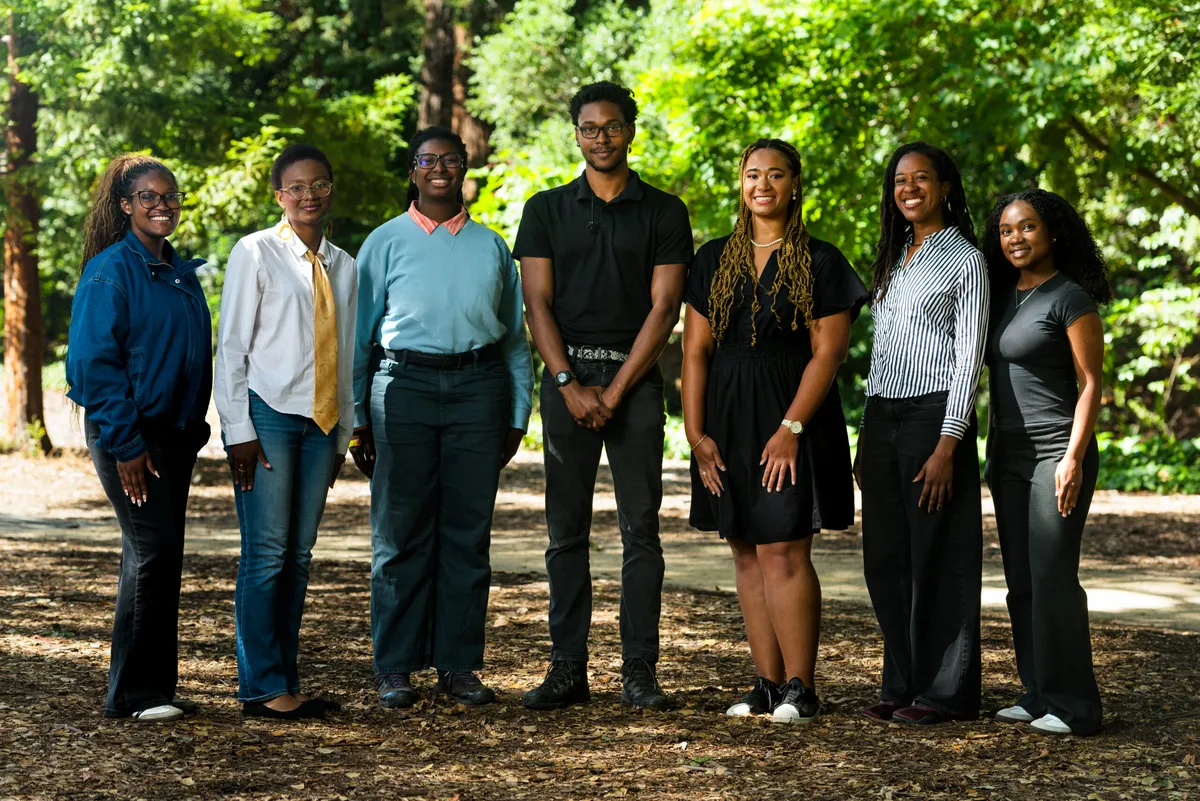
This summer, seven students are part of the HBCU-Berkeley Environmental Scholars for Change program. They are working on projects with mentors at Berkeley and learning about possible research careers.
Combining Passions for a Purpose
Joy Rutledge, a Spelman College undergraduate, loved computer programming. She also cared deeply about food systems and the environment. Her mother, a public health expert, ran a 12-acre farm in Georgia, which sparked Joy's interest. Joy wasn't sure how to combine these two passions into a career.
Her answer came at UC Berkeley. Rutledge spent two summers in the HBCU-Berkeley Environmental Scholars for Change (HBCU-BESC) program. This fellowship brings undergraduates from Spelman College, Tuskegee University, and Morehouse College to Berkeley for summer research.
We're a new kind of news feed.
Regular news is designed to drain you. We're a non-profit built to restore you. Every story we publish is scored for impact, progress, and hope.
Start Your News Detox
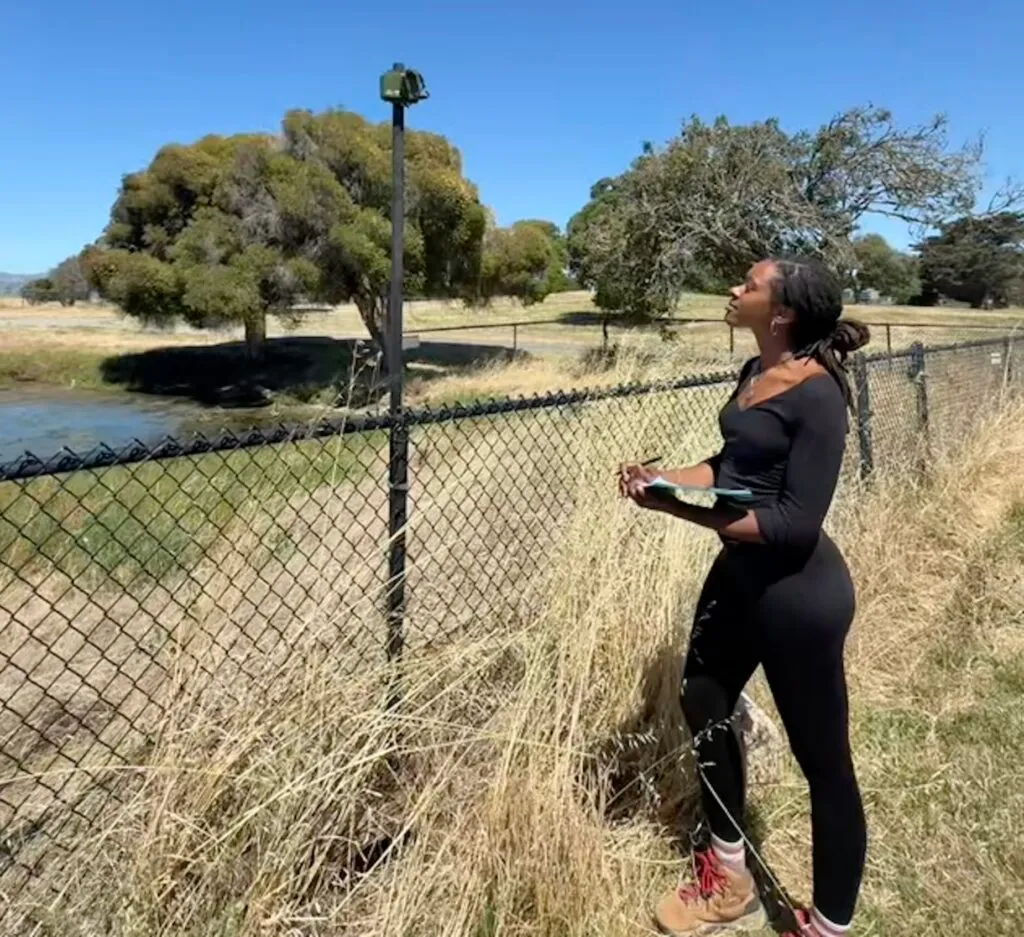
During her fellowships, Rutledge learned to use computer science for environmental problems. In her second summer, she used satellite data and air quality monitors. She also spoke with Central Valley residents. Her goal was to find out how massive flooding in the Tulare Lake basin helped human health. This agricultural area often has respiratory illnesses and cancer.
This fall, Rutledge will start her doctoral degree at Berkeley. She will study environmental science, policy, and management. She plans to continue her work on how land use decisions affect climate and environmental justice.
Rutledge said the program was "life-changing." She graduated from Spelman in 2025 with a computer science major and a food studies minor. She believes she would have stuck to software engineering without the program. It helped her combine her two passions.
A Two-Way Learning Experience
The HBCU-BESC fellowship program started in 2021. It was developed by Berkeley's Environmental Science, Policy and Management department, Spelman College’s Food Studies Program, and Tuskegee University’s College of Agriculture, Environment and Nutrition Sciences. Kimberly Jackson, program director and biochemistry professor at Spelman, said the program aims to create "thought leaders" in food systems. It also helps students find paths to graduate school.
Co-directors Tim Bowles, an agroecologist at Berkeley, and Rosalie Zdzienicka Fanshel, a postdoctoral researcher, said the program is a two-way street. It benefits both the students and Berkeley.
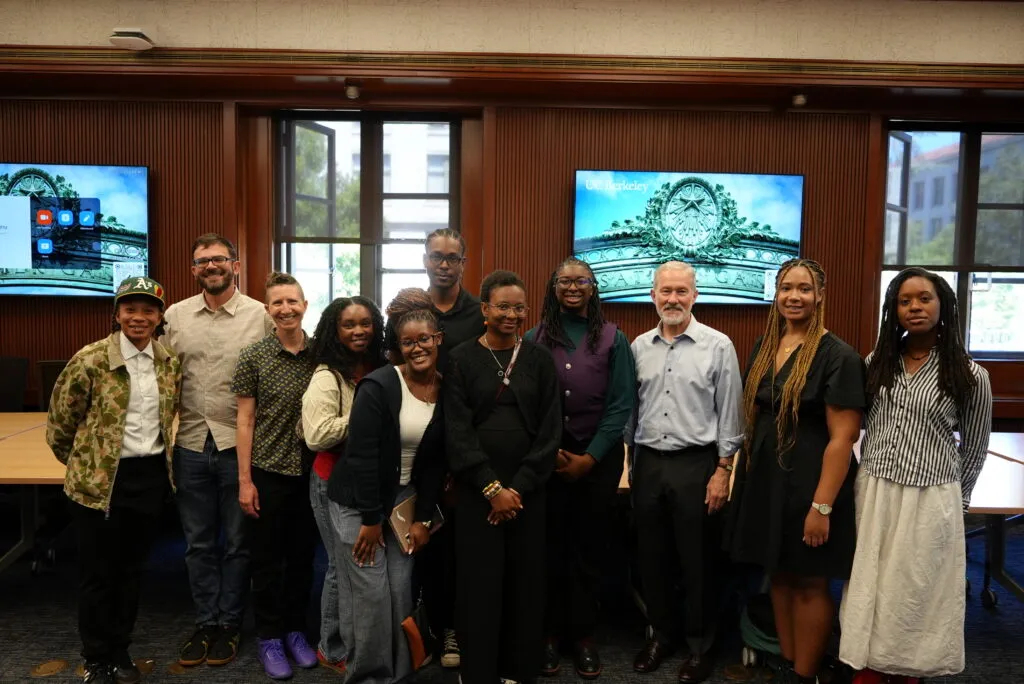
Students from historically Black colleges and universities (HBCUs) learn about graduate school. This helps address the low number of Black professionals in science. In 2021, only 9% of workers in science, technology, engineering, or math (STEM) fields were Black. This is compared to 12% of the adult population.
Fellows receive financial stipends and housing. They also get help applying to graduate school. If they enroll in a UC system doctoral program, they receive financial support. This includes a fellowship for their first year, thanks to a grant from the UC-HBCU Initiative.
Berkeley researchers also become better mentors. They work with talented HBCU undergraduates. Bowles noted that Berkeley faculty learn about HBCUs and how to mentor students on intense research projects. Next spring break, Berkeley students will visit Spelman and Tuskegee. They will learn about Black-led sustainable food systems projects in Georgia and Alabama.
Learning Inside and Outside the Lab
During their two months at Berkeley, fellows work on ambitious research. The fellowship started with food systems but has grown. It now includes urban wildlife ecology, forestry, environmental health, and water justice.
However, Fanshel said much of the learning happens outside the lab. They explained that research is only one part of the program. They also do many activities and workshops to prepare students for graduate school.
The fellows take field trips around the Central Valley and Bay Area. One trip to Allensworth sparked Rutledge’s research on Lake Tulare. Allensworth is a small farming community. It was founded by Black professionals after the Civil War. They wanted a community free from Jim Crow laws. Today, residents lack safe drinking water. They are also overshadowed by large corporate farms. The fellows learned about the town's history and current environmental justice issues.
In Allensworth, Rutledge heard something surprising. In 2023, heavy rains caused Lake Tulare to reappear. It had been drained for agriculture a century ago. State managers struggled to redirect the water. Nearby communities faced flooded homes and farms.
However, organizers at the Allensworth Progressive Association said the lake's return also brought health benefits. The area usually had high rates of Valley fever and cancer. Locals blamed pesticide exposure. When the lake reappeared, its water cooled summer temperatures. It also reduced disease-causing dust and air pollutants.
Rutledge used satellite imagery to study the flood's health and climate impacts. She found that the large body of water did benefit community health. She also learned about the region's conflicting interests. For some residents, the lake meant cleaner air and cooler temperatures. But for farmers, it meant lost crops due to flooding.
Rutledge believes her project was successful because she spoke with the community. Residents mentioned serious respiratory problems from agricultural dust. They noted that the air was cleaner when the lake returned. This sparked her research question about air quality.
Making Graduate School Clearer
The fellowship has grown quickly. It started with four students in 2022 and now has seven in 2026. A total of 25 students have participated so far. The scholars support each other during and after the program. Former fellow Evan Fewell remembered watching "Love Island USA" with his cohort. Then, everyone worked hard in their labs the next day.
Many fellows have never been to the Bay Area. They quickly adapt to using bikes, public transportation, and sidewalks. For students like Tuskegee’s Kai Watts, an environmental scientist, these experiences raised questions. She wondered what it takes to build a walkable city with healthier food options. Watts is researching urban ecology and ecosystem services at Berkeley this summer.
The support continues beyond the summer. Fanshel's research showed that Berkeley needed more than just Zoom meetings to help HBCU students get into graduate school. Fanshel mentors fellows year-round. They offer post-program meetings and guidance on applying to graduate school.
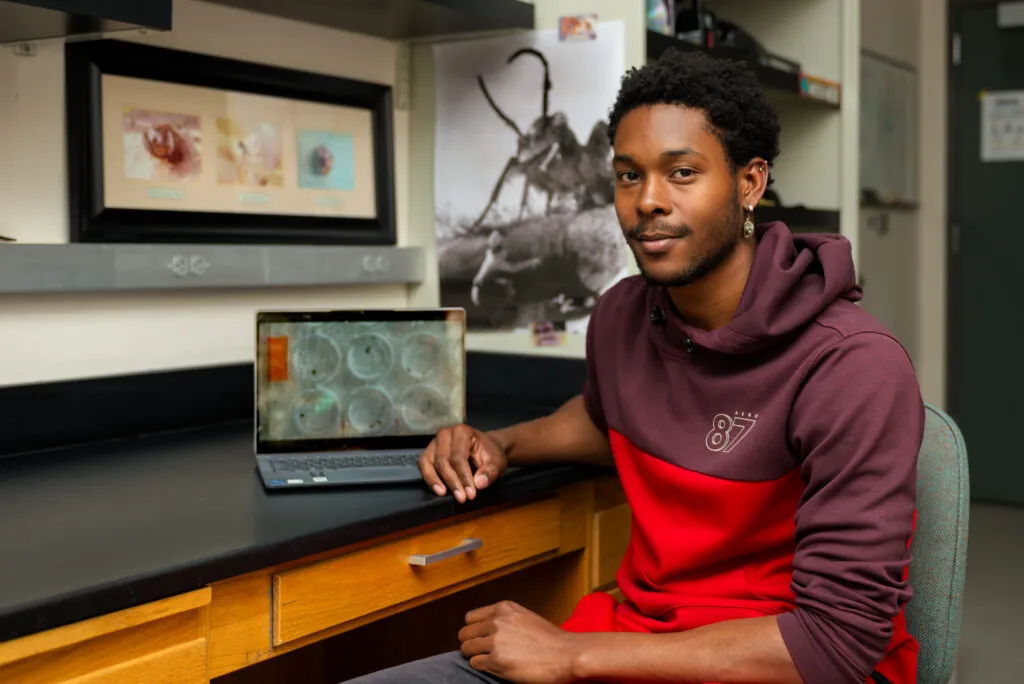
Fewell, an Army ROTC cadet and rising senior at Tuskegee, did the fellowship twice. The second time, he studied jumping spiders. He researched how they use hydraulics in their legs to leap.
Fewell said he might not have considered a wildlife research career without Berkeley. He is now considering it. He also wouldn't have thought about graduate school on the West Coast. He grew up on the East Coast and didn't know about the UC system. Before the fellowship, he didn't realize many programs offer full funding for teaching or research. He also thought a doctoral degree took much longer.
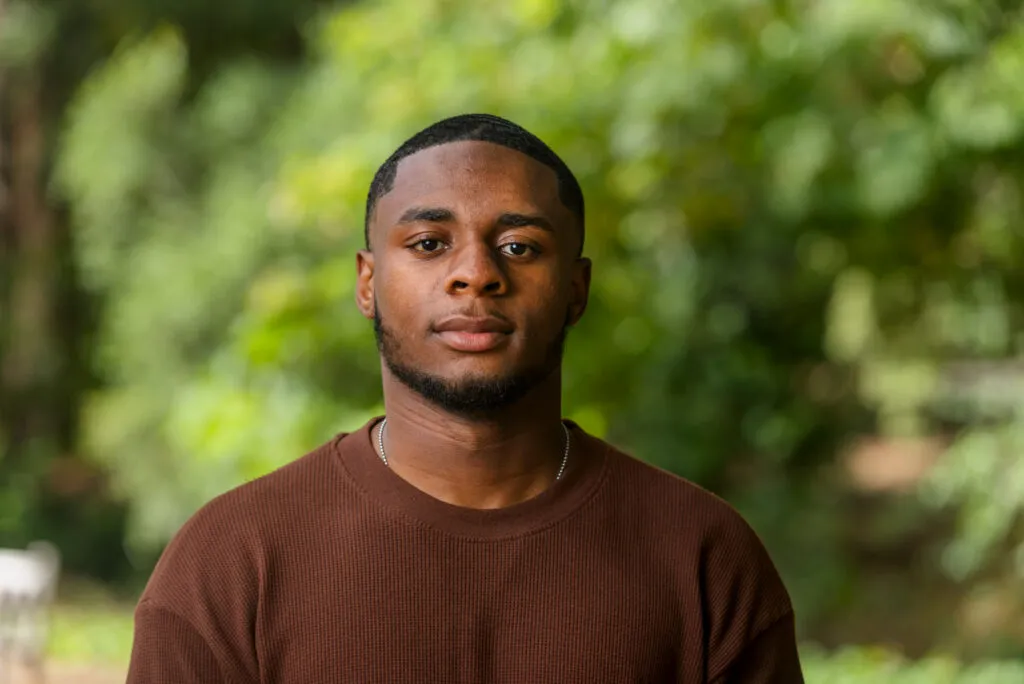
Fewell thought he would have to pay for graduate school and that it would take 20 years. After his fellowships, he understands the process of applying to STEM graduate programs. He also knows how to network with faculty. He said the fellowship's classes "demystify" graduate school and helped tremendously.
Even fellows already planning for graduate school benefit. Morehouse student Ryan Riley knew he wanted to run his own research lab. He is interested in graduate school in Chicago. He is still benefiting from his Berkeley experience. This summer, he is studying nonnative Argentinian fire ants in California.
Riley said this is his first official research experience. He has gained valuable connections and skills in learning the research process.
Rutledge is preparing to return to Berkeley this fall. She feels confident that she belongs there. After her freshman year, she was intimidated by Berkeley's size and research output. She wondered if she could keep up.
The fellowship quickly eased her fears. She said the program instilled a sense of belonging. It made sure they saw their ideas, thoughts, and perspectives as valuable in research and in general.