For the Pleasant Point Passamaquoddy Reservation, or Sipayik, in Downeast Maine, the ocean has always been a rather demanding teacher. Generations have lived by Passamaquoddy Bay, learning its rhythms, its tides, its whispers. But these days, the lessons are getting a bit harsher: the shoreline is disappearing, one piece of land at a time.
Enter NASA, not with a rocket, but with an idea. In 2023, their Science Activation program (SciAct) launched a project with Indigenous leaders and scientists. The goal? To understand coastal erosion through the eyes of people who’ve literally watched their land wash away. It all started with a simple question at an Alaska workshop: What does climate change mean to my community?
By late 2024, the answer began taking shape at Sipayik Elementary School. The plan was brilliant in its simplicity: combine cutting-edge Western science with the profound, centuries-old wisdom of the Passamaquoddy people. The students would be the bridge.
We're a new kind of news feed.
Regular news is designed to drain you. We're a non-profit built to restore you. Every story we publish is scored for impact, progress, and hope.
Start Your News DetoxThe Youngest Scientists Take the Field
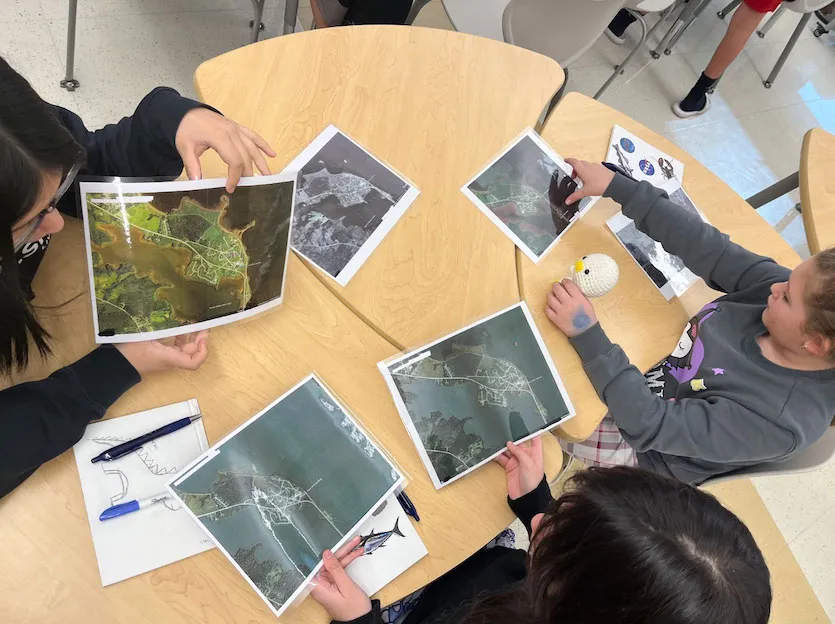
The lessons kicked off in March 2025. For five weeks, a cohort of nine fifth-graders became coastal detectives. They visited sacred sites, listened to elders recount tales of coastlines long past, and then, armed with those memories, they measured. They built miniature erosion trays from everyday materials to watch waves in action. They compared current high-tide marks to historical ones, scoured aerial images from 1942 to 2023, and even cross-referenced 300-year-old tribal maps with modern flood predictions. Because, apparently, that’s where we are now.
It was a powerful realization for these young minds: science isn't just something in a textbook. As one observer put it, "Our people were scientists without having to go to school." These kids, curious and engaged, connected their identity to resilience—the ability to adapt, to learn, to keep their culture vibrant even as the world around them shifts.
Big Discoveries, Bigger Plans
Fast forward to June 2026. The students, now seasoned researchers, presented their findings at the Gulf of Maine Research Institute. They traveled three and a half hours to share their work with scientists, staff, and even college interns. During the Q&A, someone asked if reading the maps was difficult. A student, with a touch of dry wit, reminded them these weren't just maps; they were NASA satellite images. Let that sink in.
The future of the project is just as ambitious: more elders, more field sites, and deeper dives into language and cultural connections. The team also plans to share these lessons with other Native youth and work with tribal leaders on real-world resilience strategies, like marsh restoration. And when asked if they'd continue this work after school? Every single student shouted, "YES!"
In Sipayik, the story of erosion isn't just about land disappearing. It's about memory, knowledge, identity, and the quiet, unwavering strength of a community that continues to learn from the shore. Which, if you think about it, is both impressive and slightly terrifying.