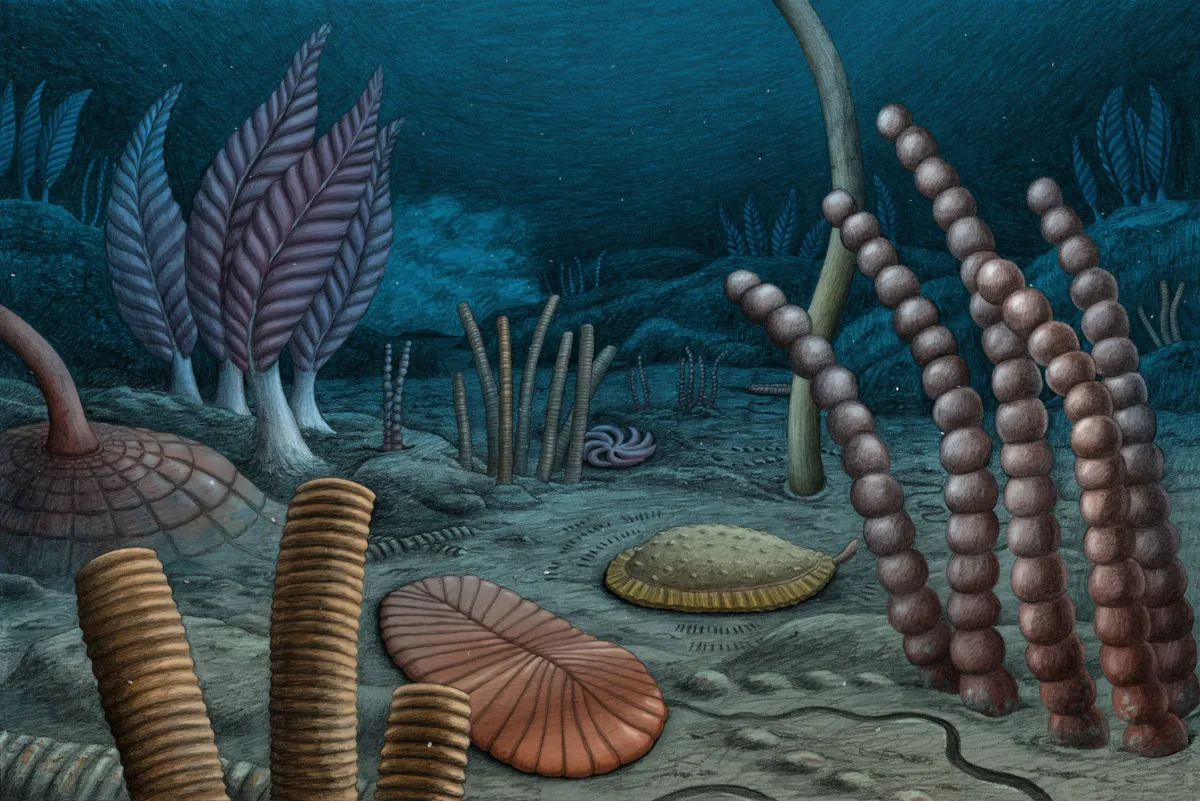
Astrobiology often looks for two things: "biosignatures" (signs of life) and "technosignatures" (signs of advanced technology). However, there's a huge gap in between. It took Earth 3.5 billion years to go from tiny microbes to a civilization sending radio waves into space.
Finding life in this middle stage is a less explored area of astrobiology. Astrobiologist Julia DeMarines addresses this in her new paper, "Signs and Signatures of Intelligence."
The Missing Middle Ground
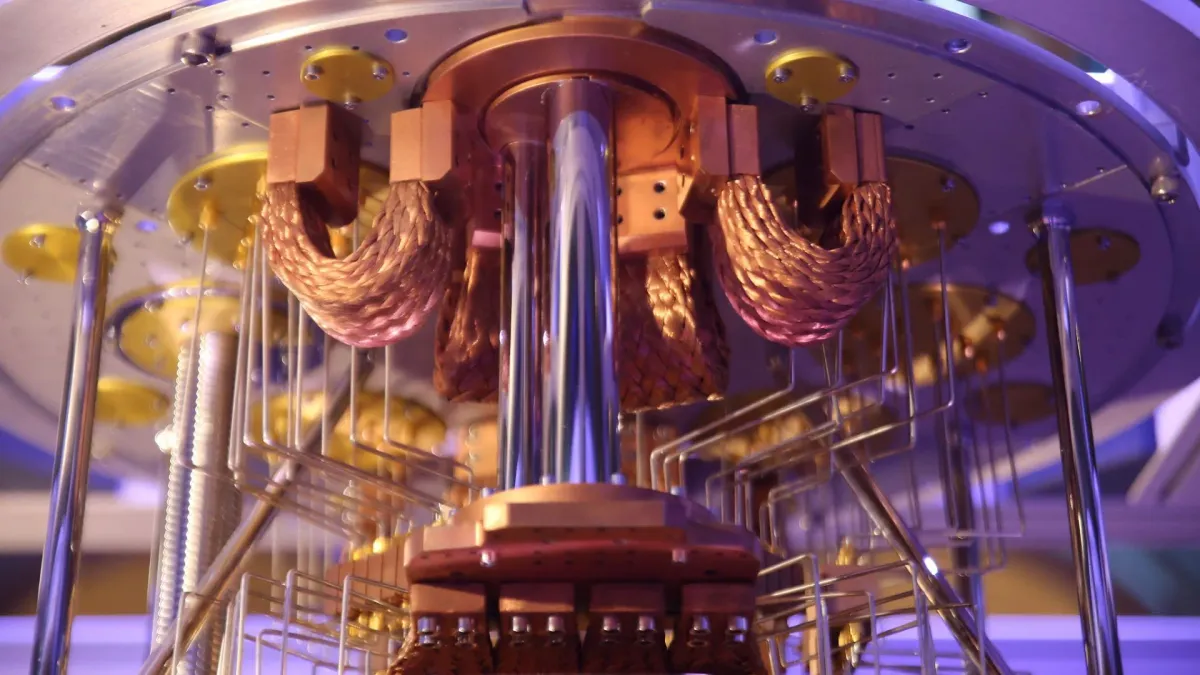
Biosignatures are chemical traces, like oxygen or methane, that suggest living things are present. Technosignatures are clear signs of advanced technology, such as radio signals or huge engineering projects on a planet.
We're a new kind of news feed.
Regular news is designed to drain you. We're a non-profit built to restore you. Every story we publish is scored for impact, progress, and hope.
Start Your News DetoxBut civilizations don't just appear from microbes and immediately start broadcasting radio waves. This process takes billions of years. If aliens had looked at Earth 10,000 years ago, they wouldn't have seen radio waves. Yet, they also wouldn't have seen a world with only simple microbes. So, how do we study this "middle ground"?
DeMarines suggests a new approach called noosemiotics. This is a research framework for finding "noosignatures." A noosignature is a structured trace that a mind leaves behind.
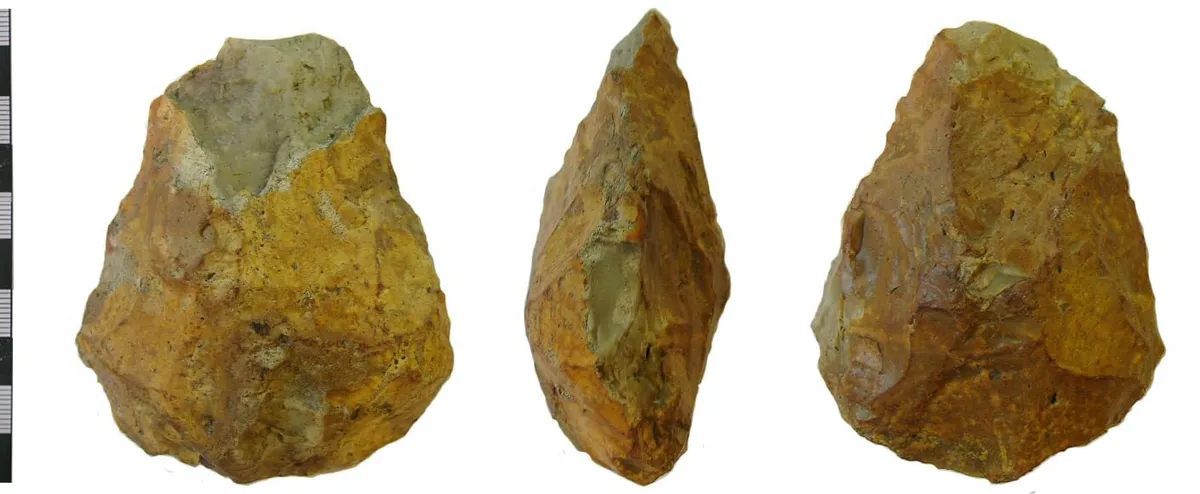
Noosignatures can be physical, like stone tools or buildings. They can also be signal-based, like complex animal communication. The key is that they must clearly show they were made by intelligence, even if we don't understand their meaning.
For example, on Earth, we have the Indus Valley script. We might not be able to read it, but we know an intelligent mind created it. It's a physical sign of thought that is different from natural biological processes.
Measuring Intelligence's Traces
To measure this, DeMarines proposes using Assembly Theory. This theory measures an object's "assembly index." This index is the number of steps needed to build something from its basic parts. If an object's assembly index is high enough, it means it couldn't have formed by chance. It must have been made by a mind.
Earth has tools dating back 3.3 million years, like the Lomekwian tools, that would pass this test. Noosignatures aren't just tools, though. DeMarines notes that agriculture changed Earth's nitrogen cycle about 8,000 years ago. This left a detectable sign of intelligence thousands of years before radio was invented.
This idea is powerful because it could help us find worlds where intelligence developed but then failed to create a lasting, cooperative civilization. These civilizations might have existed for millions of years but never sent out a single radio signal. In such cases, a noosignature might be the only proof that intelligence ever existed on that planet.
Challenges and Future Outlook
DeMarines acknowledges that this idea is new and still needs development. Noosignatures can decay over time if not maintained. Also, it can be hard to tell the difference between natural self-organization and noosignatures. Assembly Theory is still being refined for large archaeological structures or complex crystals that form naturally.
Currently, few scientists are exploring this area. At a recent Astrobiology Science Conference, there were many sessions on biosignatures and some on technosignatures, but almost none on intelligence research.
With the publication of "Signs and Signatures of Intelligence," astrobiologists might start seeing signs of life as a continuous spectrum rather than just two distinct categories. If they do, we might begin to discover planets where life falls into this fascinating middle ground. This possibility could bring new excitement to the field.
Deep Dive & References
Signs and Signatures of Intelligence - arXiv, 2026