Today felt like a grand tour of everything we don't quite understand yet, from the microscopic to the cosmic. Turns out, the more we learn, the more we realize how much more there is to discover – and how many brilliant minds are already on the case.
The Deep Dive into the Unknown
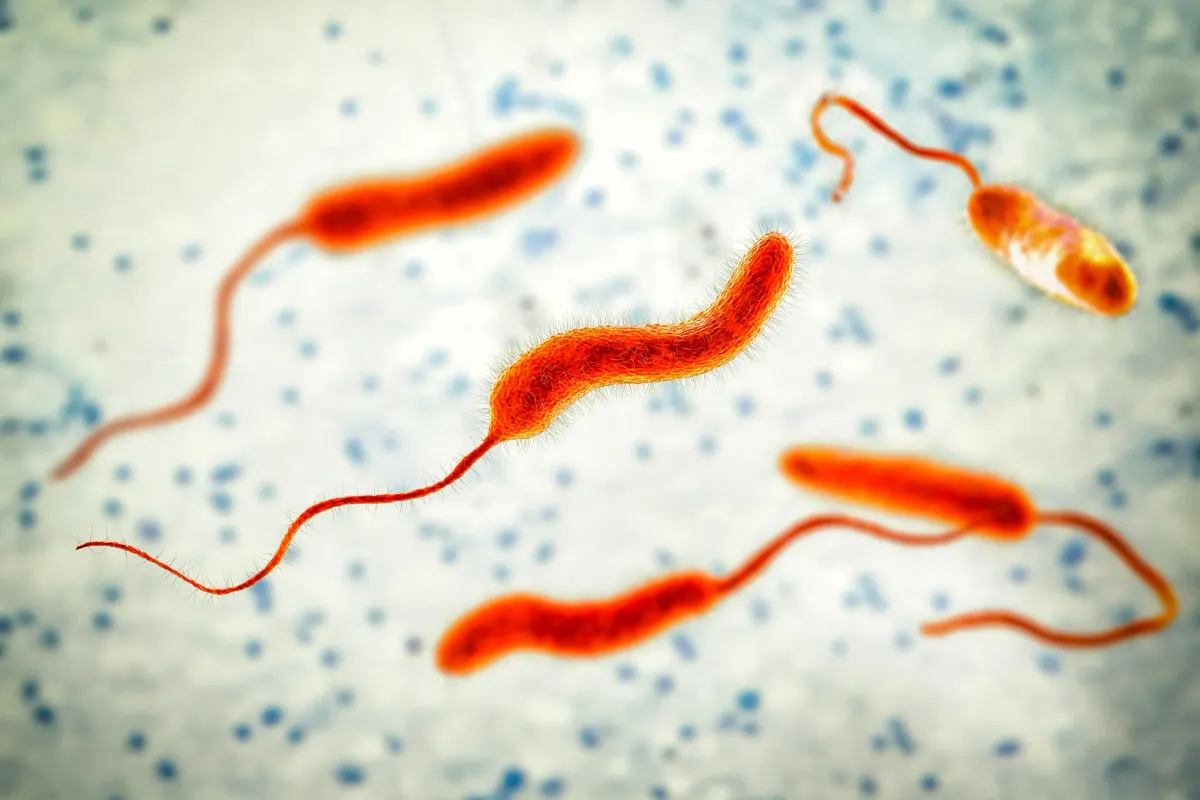
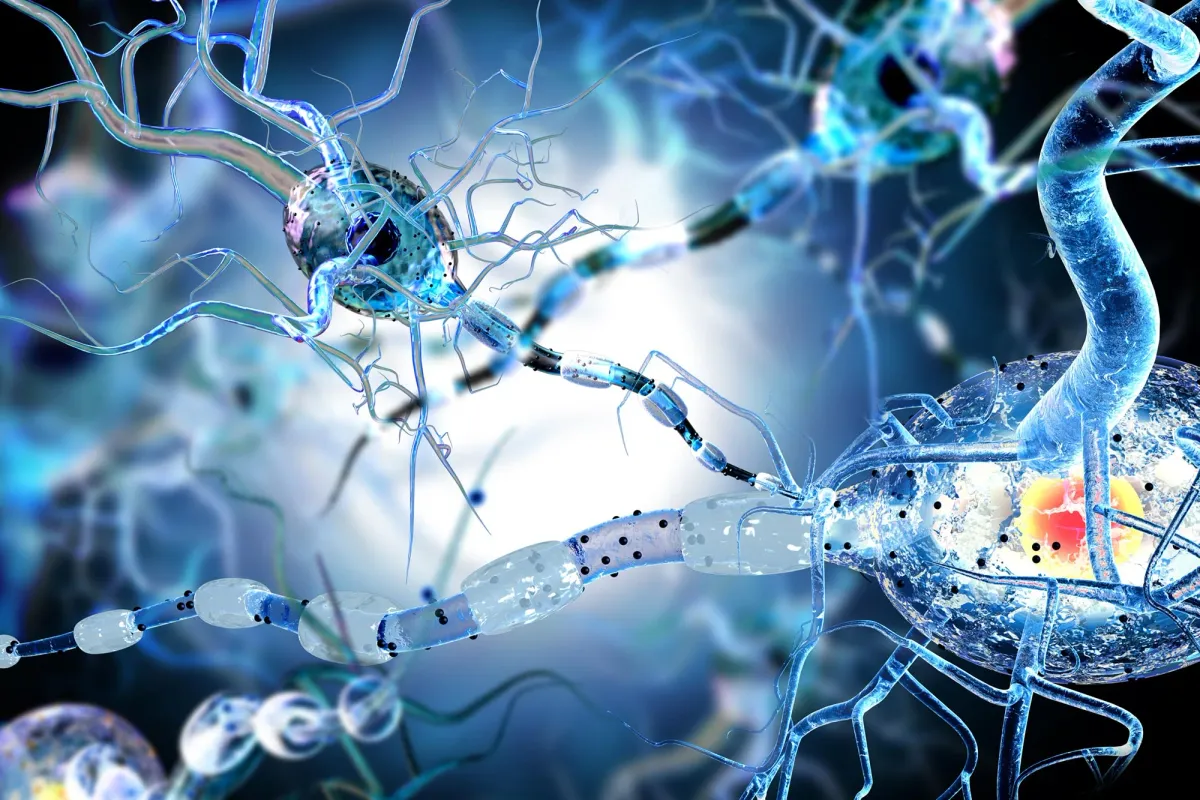
It seems we're collectively having a moment of peering into the abyss, and often finding something rather fascinating staring back. Case in point: scientists formally named 24 new species of deep-sea amphipods from the Clarion-Clipperton Zone, because as the saying goes, it’s hard to conserve what you haven’t bothered to name. Meanwhile, in the realm of human health, researchers finally found what's killing brain cells in MS patients, zeroing in on a hidden mechanism that could unlock new treatments. And if that wasn't enough, a long-term genomic study revealed cholera's secret weakness: a tiny virus that loves to fight, influencing both disease severity and global spread. The common thread? A methodical, often painstaking, exploration of the unseen, leading to some very visible breakthroughs.
The Universe Still Has a Few Surprises
Just when you thought we had a handle on things, the cosmos reminds us we're still just scratching the surface. The Artemis II astronauts are seeing Moon views satellites can't, offering a vital human perspective that no machine can quite replicate. And speaking of ancient history, a new study suggests that faint, ancient ripples in spacetime might be the universe’s best kept secret, potentially holding the key to some of physics' greatest mysteries. It appears that no matter how far we reach, or how deep we look, the universe still has a few cosmic chemistry lotteries and spacetime secrets up its sleeve.
We're a new kind of news feed.
Regular news is designed to drain you. We're a non-profit built to restore you. Every story we publish is scored for impact, progress, and hope.
Start Your News Detox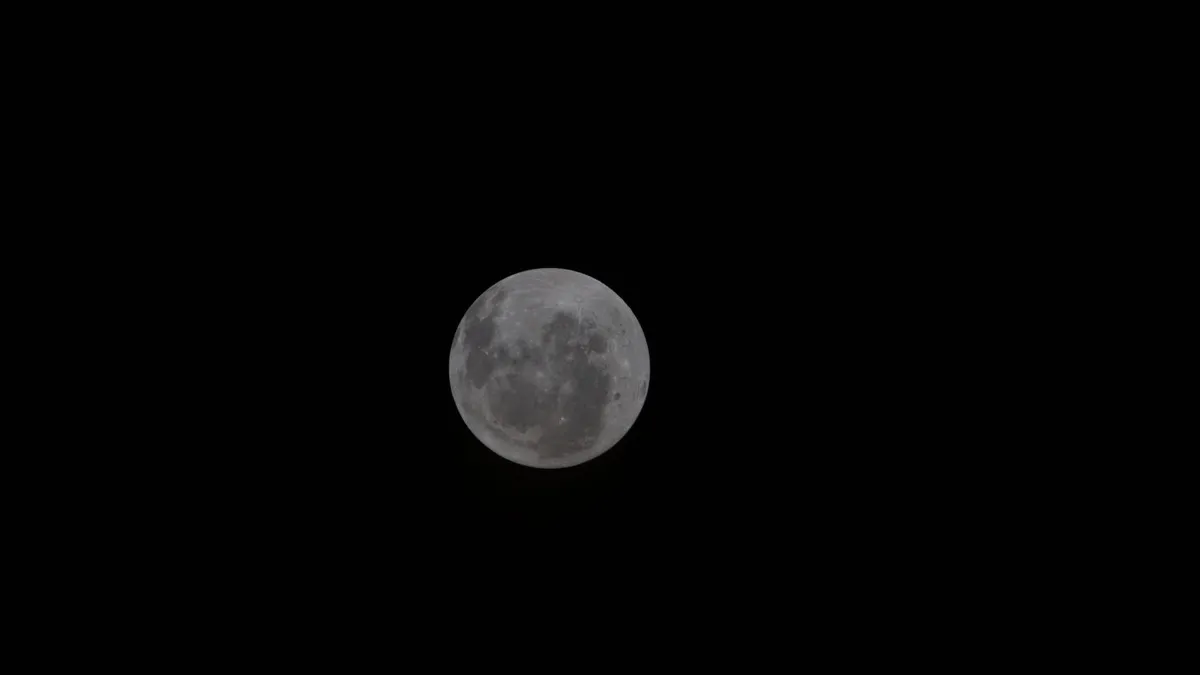
From the ocean floor to the edge of the known universe, today was a good day for curiosity.