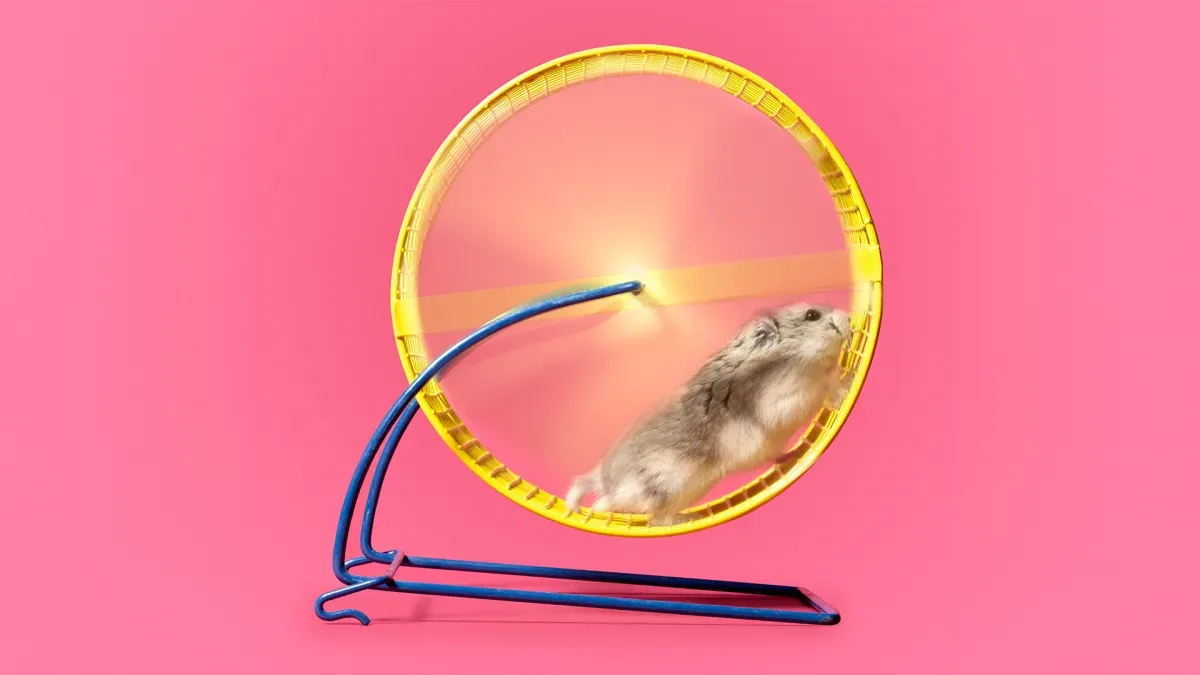
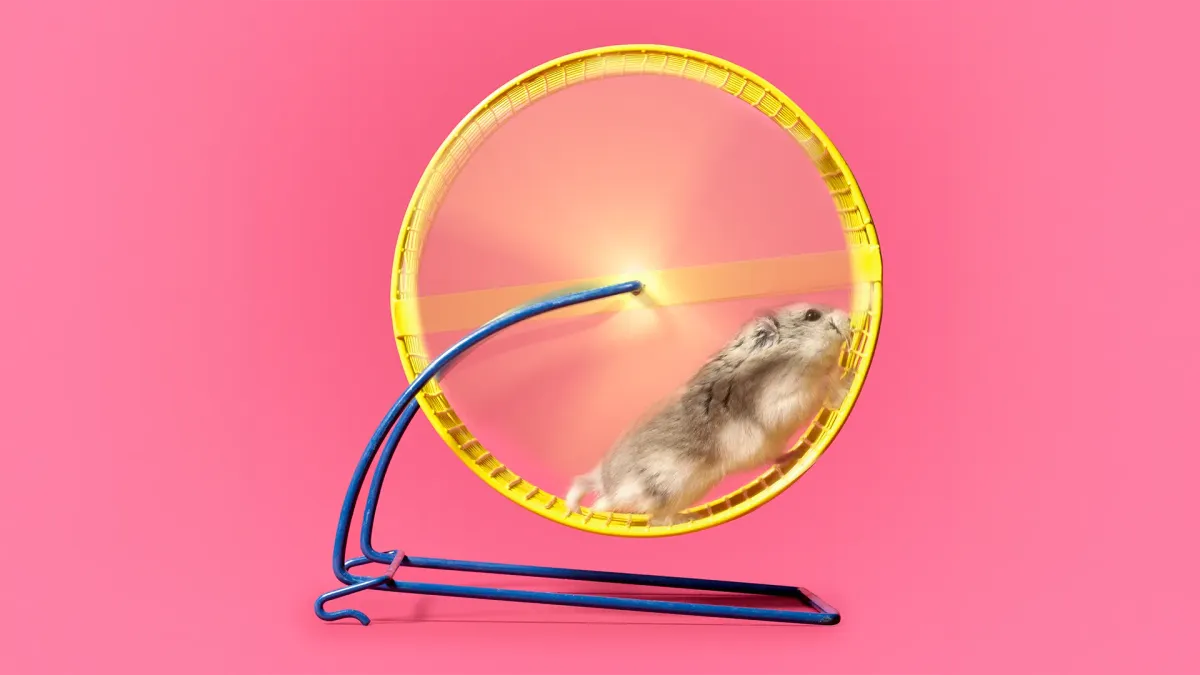
For years, the incessant squeak of a hamster wheel in the dead of night was widely considered the soundtrack of animal neurosis. Scientists, in their infinite wisdom, theorized that these tiny furballs were essentially doing time in a tiny, cylindrical prison, working out their existential dread with every revolution.
Turns out, we were all spectacularly wrong.
The Wild, Wild Wheel
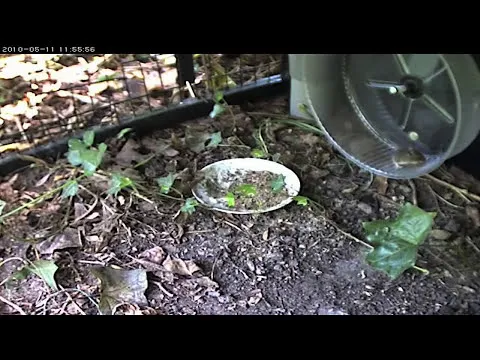
Back in 2014, researcher Johanna Meijer decided to spice things up a bit. She didn't just study hamsters in cages; she put exercise wheels out in the actual wild. And what happened? Wild mice, living their best lives in urban green spaces and sand dunes, absolutely went for it. They'd hop on and run for up to 18 minutes straight, sometimes even longer.
This wasn't some desperate, captive behavior. This was a choice. Even after the initial food lures were removed, they kept on spinning. Which, if you think about it, is both impressive and slightly terrifying. Imagine being so committed to your morning cardio.
We're a new kind of news feed.
Regular news is designed to drain you. We're a non-profit built to restore you. Every story we publish is scored for impact, progress, and hope.
Start Your News DetoxAnd it wasn't just mice. Shrews, frogs, and even slugs (yes, slugs!) were spotted attempting a spin. Though, let's be honest, the slugs probably weren't breaking any speed records. Wild mice, however, were the true enthusiasts, accounting for a solid 88% of all wheel-running activity.
Dr. Theodore Garland Jr., a biology professor who's been studying this for over three decades, points out that rodents are basically built for speed. They have vast home ranges, lightning-fast metabolisms, and the kind of leg day commitment most of us can only dream of. A toad isn't running ten kilometers a day, but a chipmunk? Absolutely.
The Dopamine Disco
So, why the sudden urge to go full-tilt on a tiny treadmill? Garland believes it all comes down to the brain's reward system. That sweet, sweet hit of dopamine, the neurotransmitter responsible for feelings of pleasure, is likely the culprit.
Just like humans get a little buzz from a good workout, mice get their own version of runner's high. Garland has even observed lab mice doing what can only be described as acrobatics on larger wheels, slowing down for a full 360-degree turn mid-sprint before picking up the pace again. He's hesitant to use the word “fun” for animals, but it's hard to deny they look like they're having a blast.
It's like the animal kingdom's version of the "zoomies" — that inexplicable burst of energy young animals (and some very excited dogs) get, where they just run around for the sheer joy of it. No clear purpose, just pure, unadulterated velocity.

A Lifelong Habit (Even for Humans)
This rodent revelation might even have implications beyond your pet's nightly marathon. Garland's research suggests that starting wheel-running young can create a lifelong habit. Mice given access to a wheel right after weaning (around three weeks old) ran significantly more as adults. Their reward systems, he says, were "permanently tweaked."
Which brings us to a slightly less adorable, more human point: if we cut physical education from schools, it could be a "huge public policy disaster." If a kid never learns to enjoy movement, they might not bother as an adult.
But your hamster isn't pondering public policy. It's just living its best life, chasing that dopamine dragon, one glorious rotation at a time. And if one YouTuber can rig his brother's hamster wheel to charge a phone, well, that's just good, clean, joyous energy being put to use. Hammy would approve.