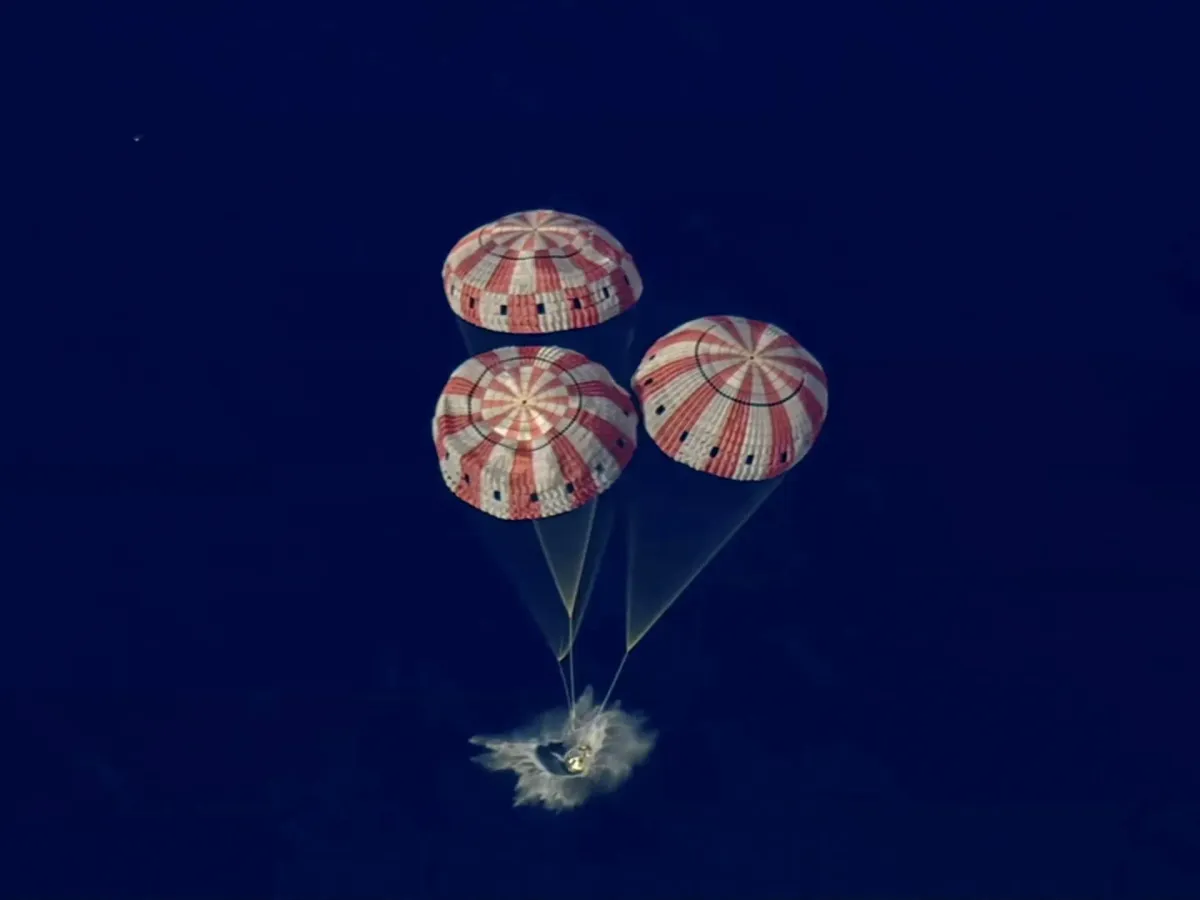
In news that probably made your grandparents nod sagely and say, "Finally!" four astronauts just splashed down in the Pacific after a historic trip around the Moon. This wasn't a retro flick; it was NASA's Artemis II mission, and it marked the first time humans have ventured that far since 1972. Let that satisfying number sink in.
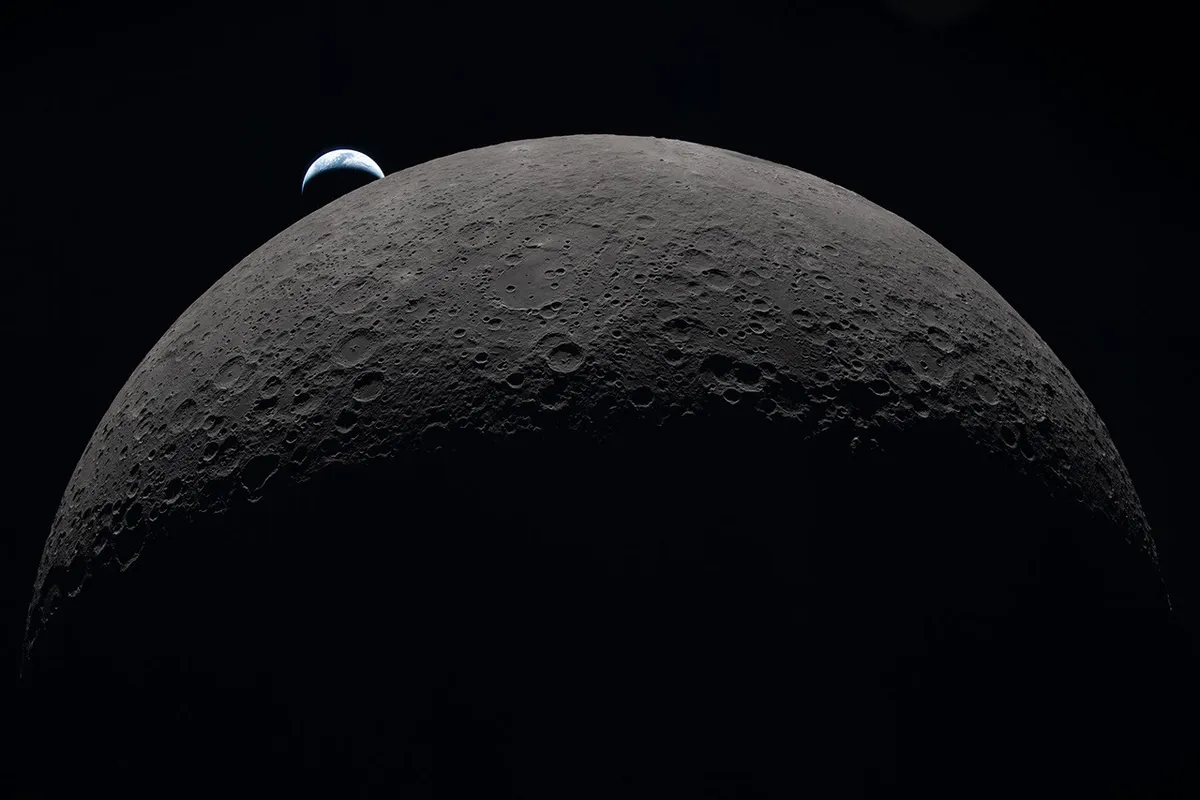
After a 10-day jaunt that saw them testing equipment, looping around the far side of the Moon, and becoming the most distant human travelers ever, the crew parachuted back to Earth. Recovery teams were waiting off the coast of California, presumably with a very strong cup of coffee and a list of medical checks. Because apparently, that's where we are now: casually sending people to the Moon and back.
A Crew of Firsts
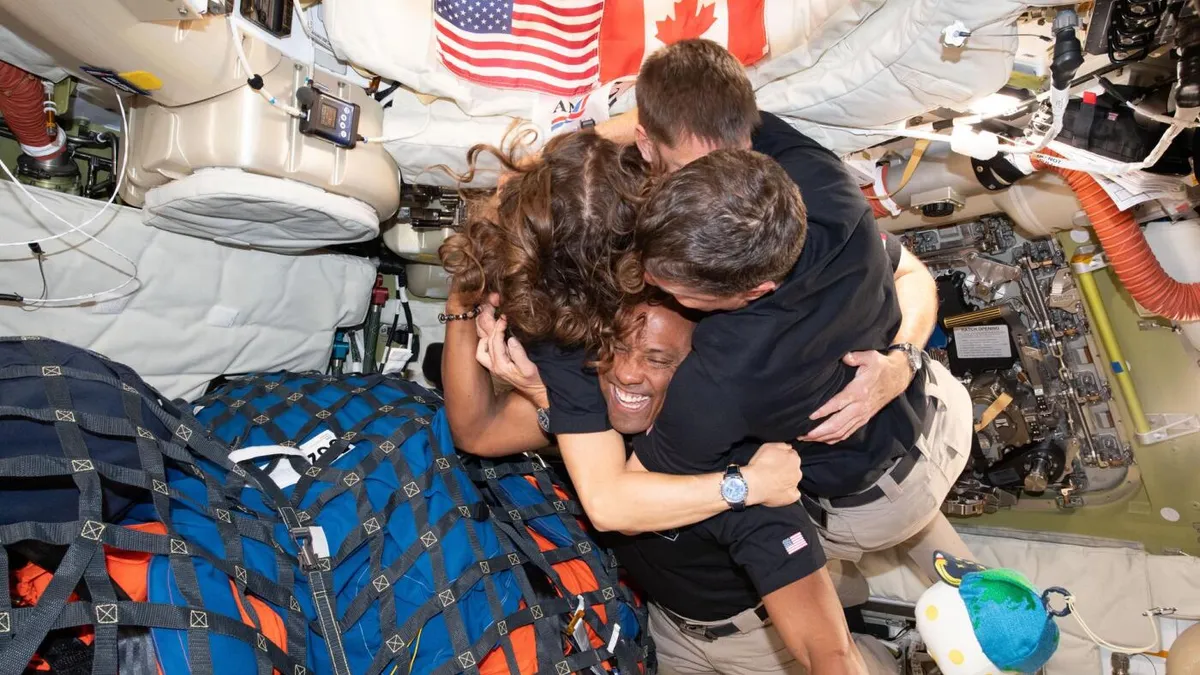
The quartet — NASA's Reid Wiseman, Victor Glover, and Christina Koch, plus Canadian astronaut Jeremy Hansen — didn't just break the 50-year lunar silence; they shattered a few other barriers too. Victor Glover became the first person of color to orbit the Moon, Christina Koch the first woman, and Jeremy Hansen the first non-American. Which, if you think about it, is both impressive and slightly terrifying for anyone who's ever tried to pack for a 10-day trip.
We're a new kind of news feed.
Regular news is designed to drain you. We're a non-profit built to restore you. Every story we publish is scored for impact, progress, and hope.
Start Your News DetoxTheir journey was a crucial dress rehearsal for future missions, including Artemis IV, which aims to put boots back on the lunar surface. Engineers will now pore over data, scrutinizing everything from the Orion capsule's heat shield performance (critical, one assumes) to the navigation systems and life-support tech. All the fiddly bits that ensure we don't just send humans deeper into space, but actually bring them back.
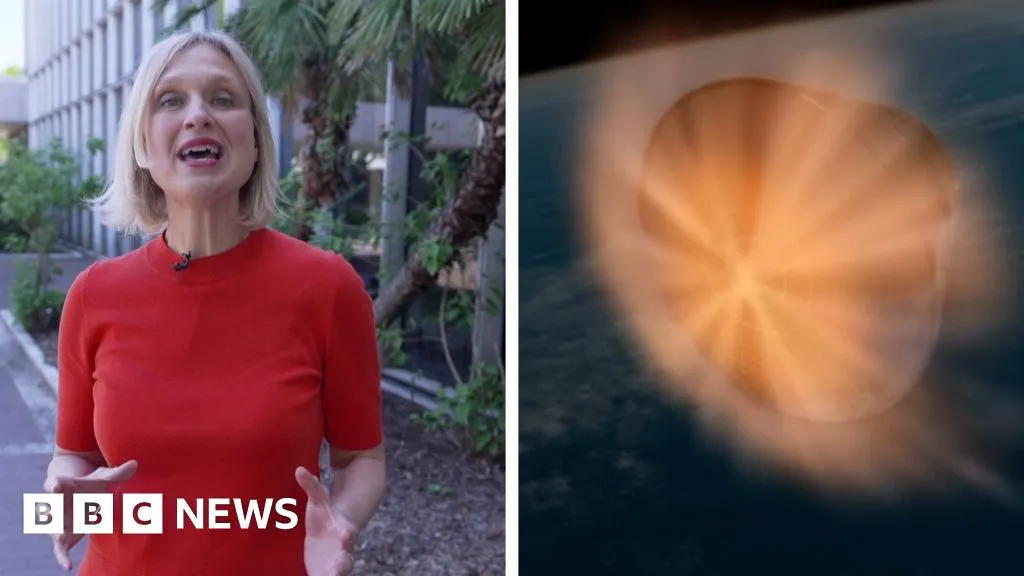
The return itself included a brief, fiery communication blackout during re-entry, thanks to the intense heat around the spacecraft. Just a little reminder from physics that space travel isn't all picturesque solar eclipses and meteorite impacts (which they also saw, naturally).
As mission commander Wiseman put it, he hoped the world would "pause — and remember that this is a beautiful planet." A sentiment we can all get behind, especially after spending 10 days staring at the Moon. Also, each morning, NASA sent a song to Artemis II. For their final wake-up call, they got Live's "Run to the Water" and Zac Brown Band's "Free." Because nothing says "historic space mission" like a curated playlist.