Imagine a tiny, unassuming resident of a frog's gut, quietly going about its business. Now imagine that same bacteria, when injected into mice, completely obliterating cancerous tumors. Because apparently, that's where we are now.
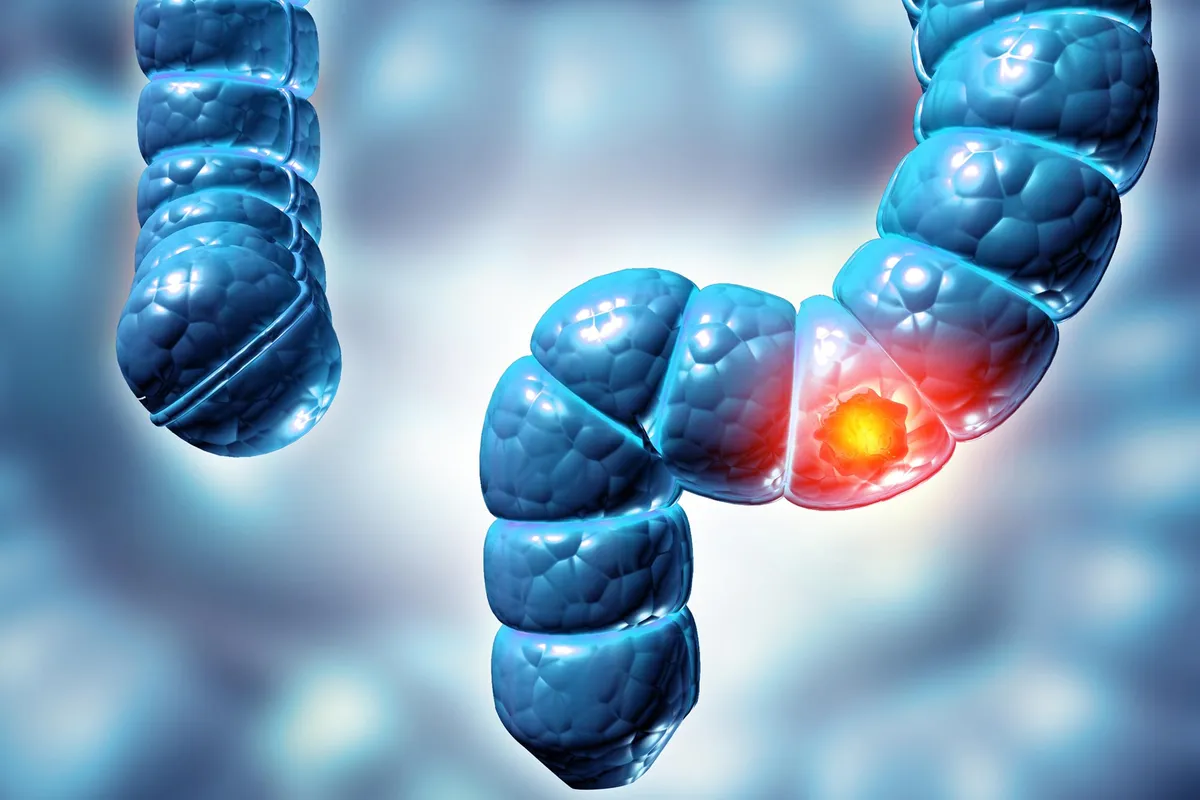
Researchers in Japan have discovered that a single dose of Ewingella americana – a bacteria first isolated from amphibians and reptiles – achieved a 100% complete response rate in mice with colorectal cancer. Yes, you read that right: every single mouse was tumor-free. This isn't just a slight improvement; this is a mic drop in the world of oncology.
Professor Eijiro Miyako and his team at the Japan Advanced Institute of Science and Technology (JAIST) spearheaded this frankly astonishing discovery, publishing their findings in Gut Microbes. It turns out, the secret to fighting cancer might just be living in a frog's digestive system.
We're a new kind of news feed.
Regular news is designed to drain you. We're a non-profit built to restore you. Every story we publish is scored for impact, progress, and hope.
Start Your News DetoxThe Unlikely Candidate
For years, scientists have been poking around in gut microbiomes, usually looking at how diet or probiotics might subtly nudge our internal ecosystems to fight disease. But Miyako's team took a much more direct approach: find a specific, tumor-targeting microbe, grow it, and inject it straight into the bloodstream.
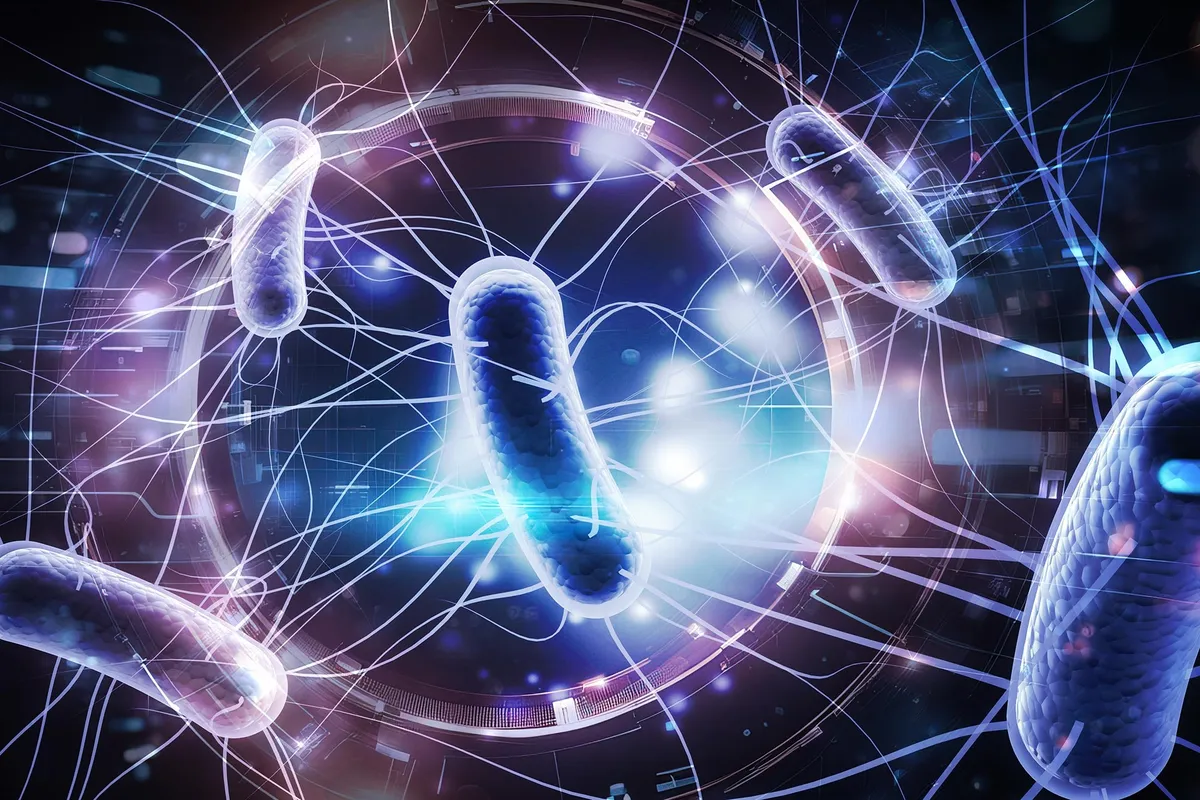
Their search led them to collect bacteria from Japanese tree frogs, newts, and grass lizards. Out of 45 different bacterial strains, nine showed some cancer-fighting prowess. But E. americana? That one was the undisputed heavyweight champion, making short work of tumors in a way that would make traditional chemo agents blush.
How It Works: A Two-Pronged Attack
This isn't just a lucky shot. E. americana has a surprisingly sophisticated battle plan to take down cancer cells:
-
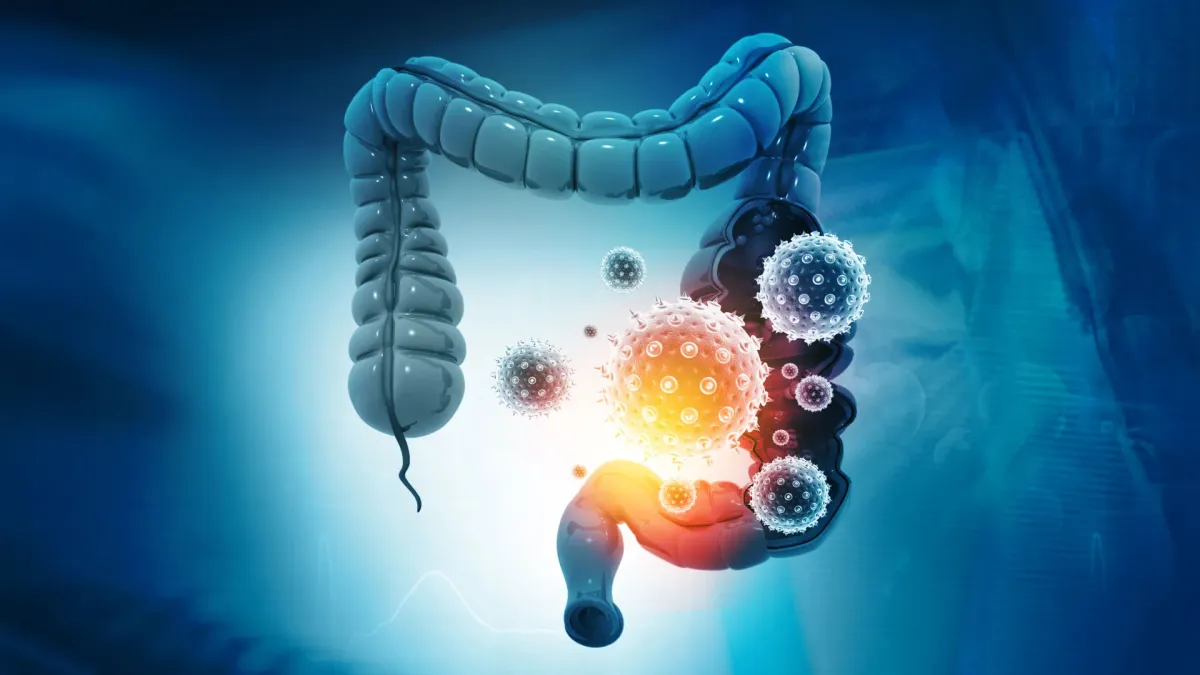
Direct Assassination: Tumors are often low-oxygen environments, which, as it happens, is E. americana's favorite kind of neighborhood. The bacteria flock to these oxygen-deprived zones and multiply like crazy – increasing their numbers in tumors by about 3,000 times within 24 hours. Once there, they directly damage and kill cancer cells.
-
Immune System Hype Man: The bacteria don't just do the dirty work themselves; they also rally the body's own defenses. They attract immune cells like T cells, B cells, and neutrophils to the tumor site, which then release a cascade of substances that ramp up immune activity and cause even more cancer cells to die off.
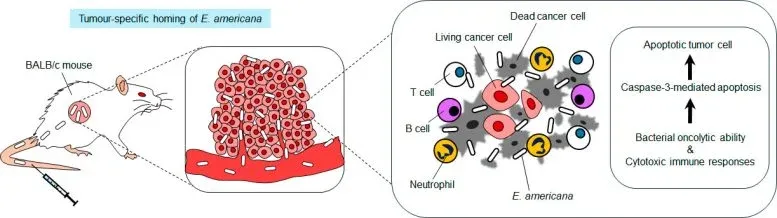
What makes E. americana so good at finding tumors? It's a combination of factors: the low-oxygen conditions, the weak local immunity around tumors (cancer cells often hide from the immune system), the leaky blood vessels that feed tumors, and even the unique metabolic byproducts cancer cells produce. Basically, tumors are an all-you-can-eat buffet for this particular bacteria, while healthy tissue is strictly off-limits.
And the best part? The bacteria proved remarkably safe. It cleared the bloodstream quickly, caused no long-term side effects, and any mild inflammation resolved within 72 hours. No lingering issues, no collateral damage. Just a clean sweep.
This discovery is a potent reminder that sometimes, the most groundbreaking solutions aren't engineered in a lab from scratch, but are found quietly existing in the wild – perhaps even in the gut of a Japanese tree frog.