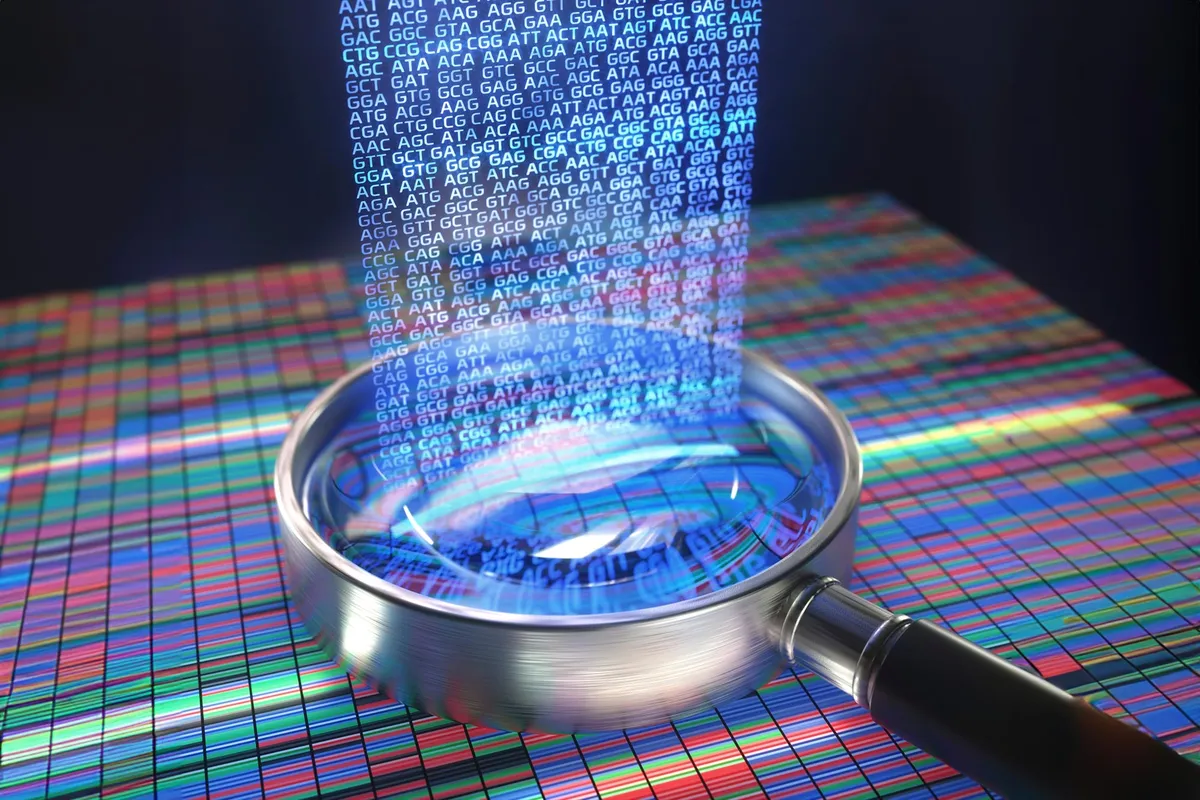
Imagine a flash drive, but instead of silicon, it's built with the very stuff of life itself. And it uses 100 times less power. That's the gist of what researchers at Penn State just pulled off, finally bridging the seemingly impossible gap between biology and electronics.
Turns out, DNA isn't just a blueprint for humans; it's also an absurdly efficient data storage system. We're talking 215 million gigabytes in a single gram. Your entire digital life, plus everyone you've ever met's digital life, could probably fit on a speck of it. The dream has always been to harness that biological powerhouse for our gadgets, but getting it to play nice with circuits? That's been the sticking point.
The Bio-Hybrid Brainchild
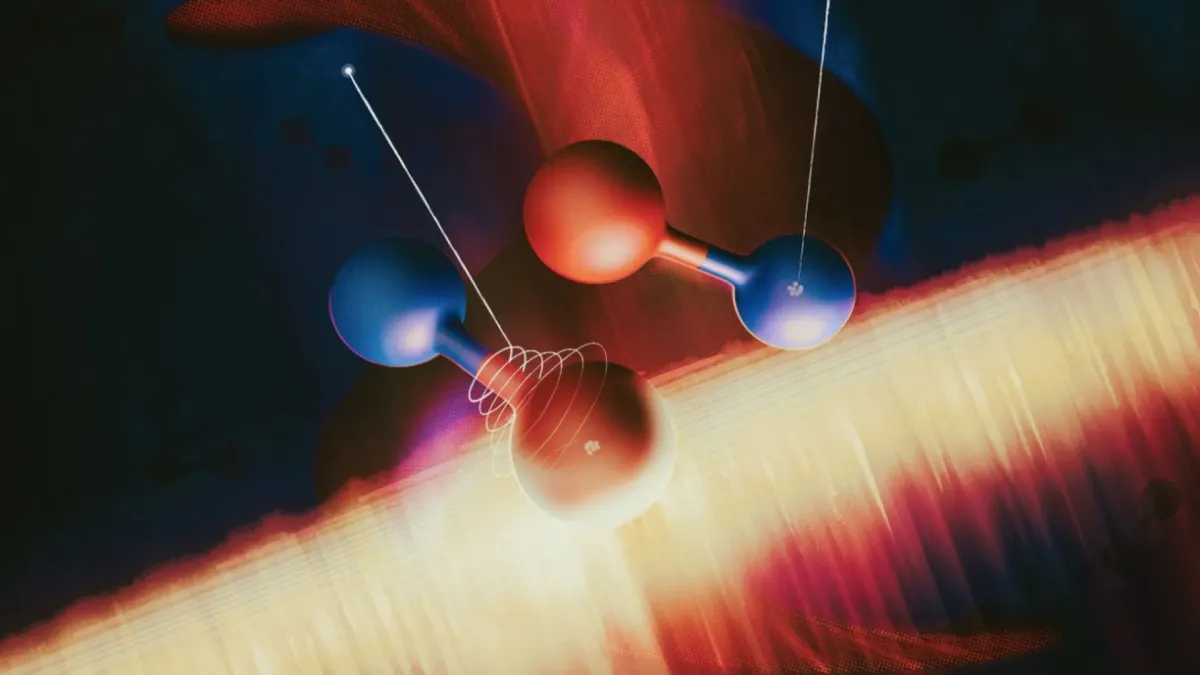
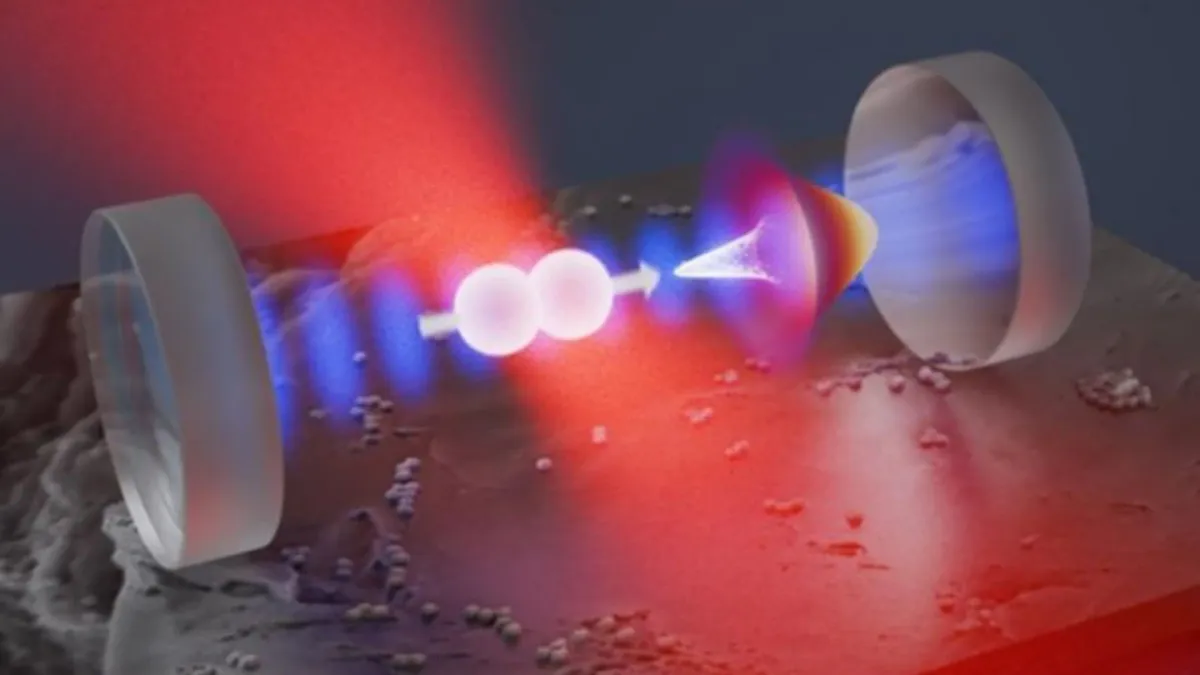
Now, the Penn State team has unveiled a new "bio-hybrid system." They took synthetic DNA — custom-made, short sequences designed for specific electronic tasks — and married it with crystalline perovskite, a semiconductor you might know from solar cells. Think of it as a microscopic, highly efficient arranged marriage.
We're a new kind of news feed.
Regular news is designed to drain you. We're a non-profit built to restore you. Every story we publish is scored for impact, progress, and hope.
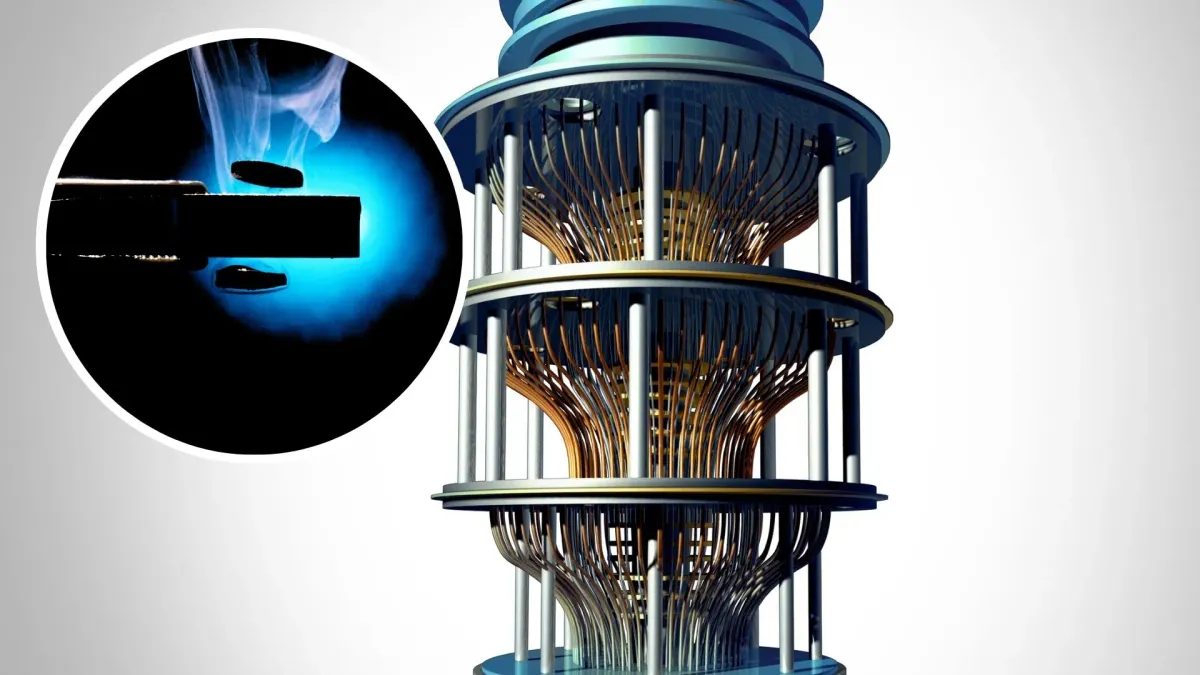
Start Your News DetoxThis isn't just about storage, though. They built a device called a memristor. Unlike your computer's RAM, which forgets everything the second the power goes out, a memristor remembers past currents. It stores and processes information in the same place, much like neurons in your brain. Which, if you think about it, is both impressive and slightly terrifying.
With AI's hunger for processing power growing faster than a teenager's appetite, we need new ways to compute without draining the grid. These DNA-perovskite memristors use a tenth of the power of current perovskite devices while offering similar memory capabilities. And they're stable at 250 degrees Fahrenheit, which is probably hotter than your laptop gets when you're just browsing cat videos.
Engineering Life's Code
The trick? They doped the synthetic DNA with silver nanoparticles, then layered it with perovskite. This allowed the DNA to conduct electricity and align itself in an orderly fashion. Because, let's be honest, natural DNA is a tangled mess of information, great for making you, not so great for making a circuit board.
But by designing specific, short DNA fragments, they could computationally figure out the exact sequences and lengths needed. Then, they could precisely engineer these structures to connect smoothly with the perovskites. It's like turning DNA from a biological molecule into a programmable, multi-functional nanomaterial platform. Because apparently that's where we are now.
As research professor Bed Poudel put it, nature often holds the solutions. And integrating DNA into electronics to do amazing things certainly shows what's possible. Your next phone might just have a little bit of you inside it, literally.