Imagine a world where your phone never got hot charging, where power lines didn't leak energy into the atmosphere, and where MRI machines ran with absurd efficiency. That's the promise of superconductors, materials that let electricity zip through them with absolutely no resistance. No resistance means no energy lost as heat. Which, if you think about it, is both impressive and slightly terrifying for anyone who pays an electricity bill.
The catch? Most superconductors need to be colder than a polar bear's toenails — hundreds of degrees below zero Fahrenheit. Maintaining those cryogenic conditions is both complicated and wallet-emptying, limiting where these wonder-materials can actually be used.
Enter the superhydrides. These aren't your grandma's superconductors. Researchers at the U.S. Department of Energy’s Argonne National Laboratory have been poking and prodding these materials, which can superconduct at a comparatively balmy 10 degrees Fahrenheit. Still chilly, but a massive leap from absolute zero.
We're a new kind of news feed.
Regular news is designed to drain you. We're a non-profit built to restore you. Every story we publish is scored for impact, progress, and hope.
Start Your News DetoxThe Diamond Squeeze
The real breakthrough? Scientists figured out that tiny tweaks in a superhydride's atomic structure dictate its superconducting prowess. And they're doing it by essentially squishing these materials between two diamonds. Yes, actual diamonds. Because apparently, that's where we are now.
By adding a dash of yttrium to lanthanum superhydride, the team made the material more stable and, crucially, lowered the extreme pressure needed for it to superconduct. We're still talking 1.4 million times atmospheric pressure, which is roughly like stacking 1,400 elephants on a postage stamp. But hey, baby steps.
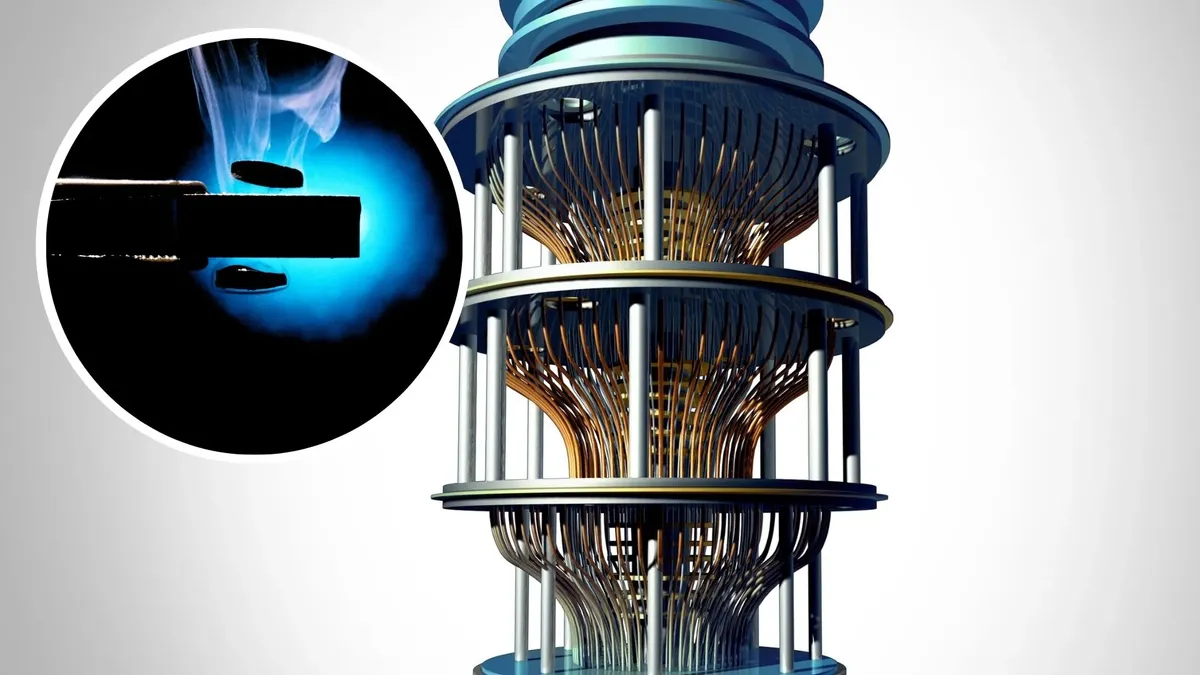
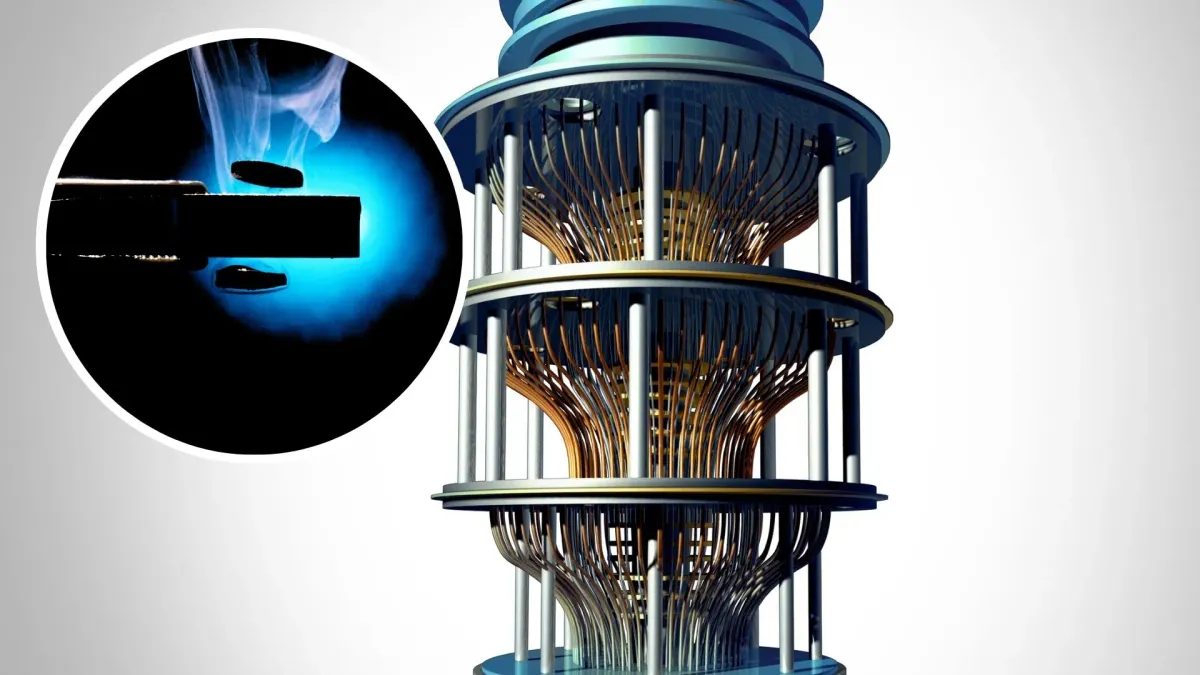
"To reach these extreme pressures, we squeezed a tiny sample between two diamonds," explained Argonne physicist Maddury Somayazulu. Their custom-built diamond-anvil device can crank out pressures up to five million atmospheres. That's a lot of squeezing.
X-Ray Vision
Once they had their squished, slightly warmer superconductor, the team turned the Advanced Photon Source (APS) loose on it. This isn't your doctor's X-ray machine. The APS, recently upgraded, blasts incredibly bright, focused X-rays at samples barely wider than a human hair. This allowed them to peer into the atomic architecture and see how those subtle structural differences affected superconductivity.
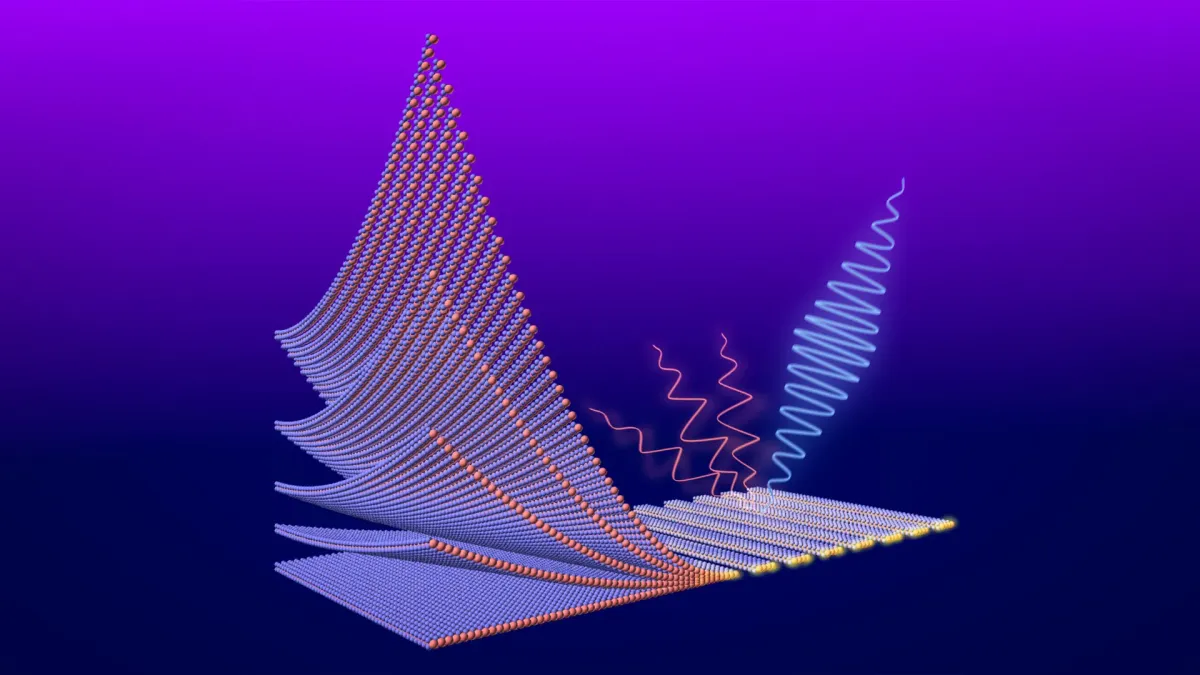
They found two distinct crystal structures, each with its own preferred superconducting temperature. It's like finding out the exact recipe for a perfect cake, down to the angle you fold in the flour.
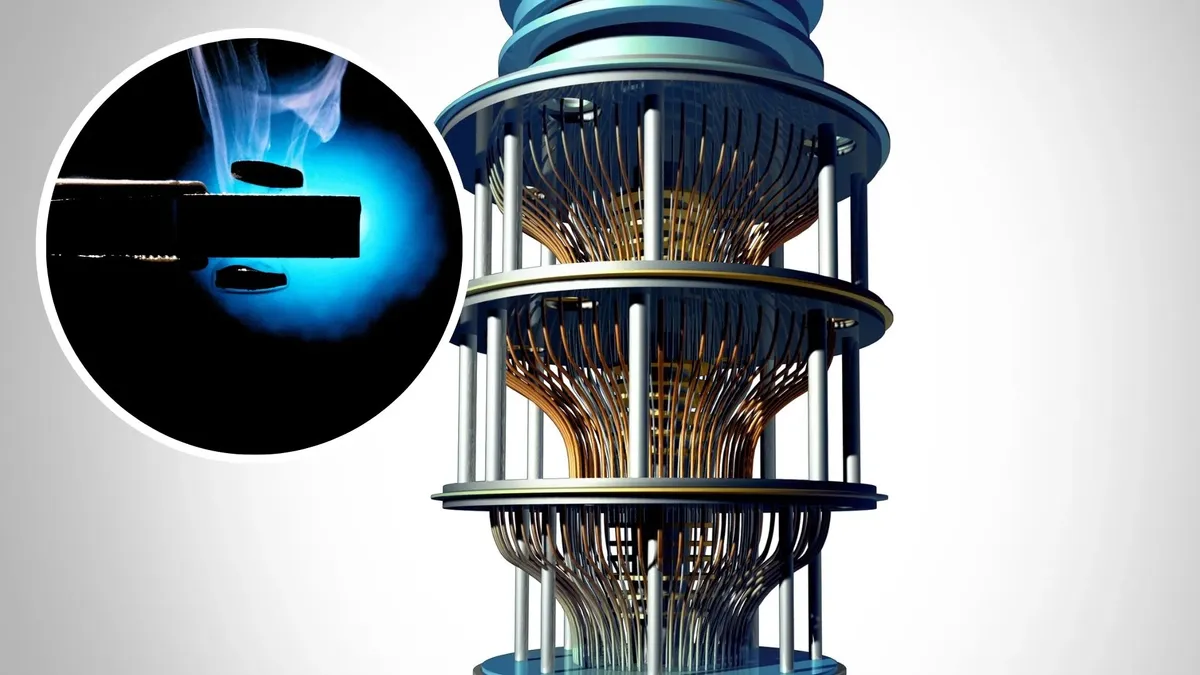
These experiments aren't just a scientific curiosity; they're laying the groundwork for more practical superconductors that could one day revolutionize everything from power grids to medical imaging. We're not quite at room-temperature, normal-pressure superconductors yet, but with every diamond-squeezed, X-ray-blasted discovery, the future of energy gets a little less leaky.