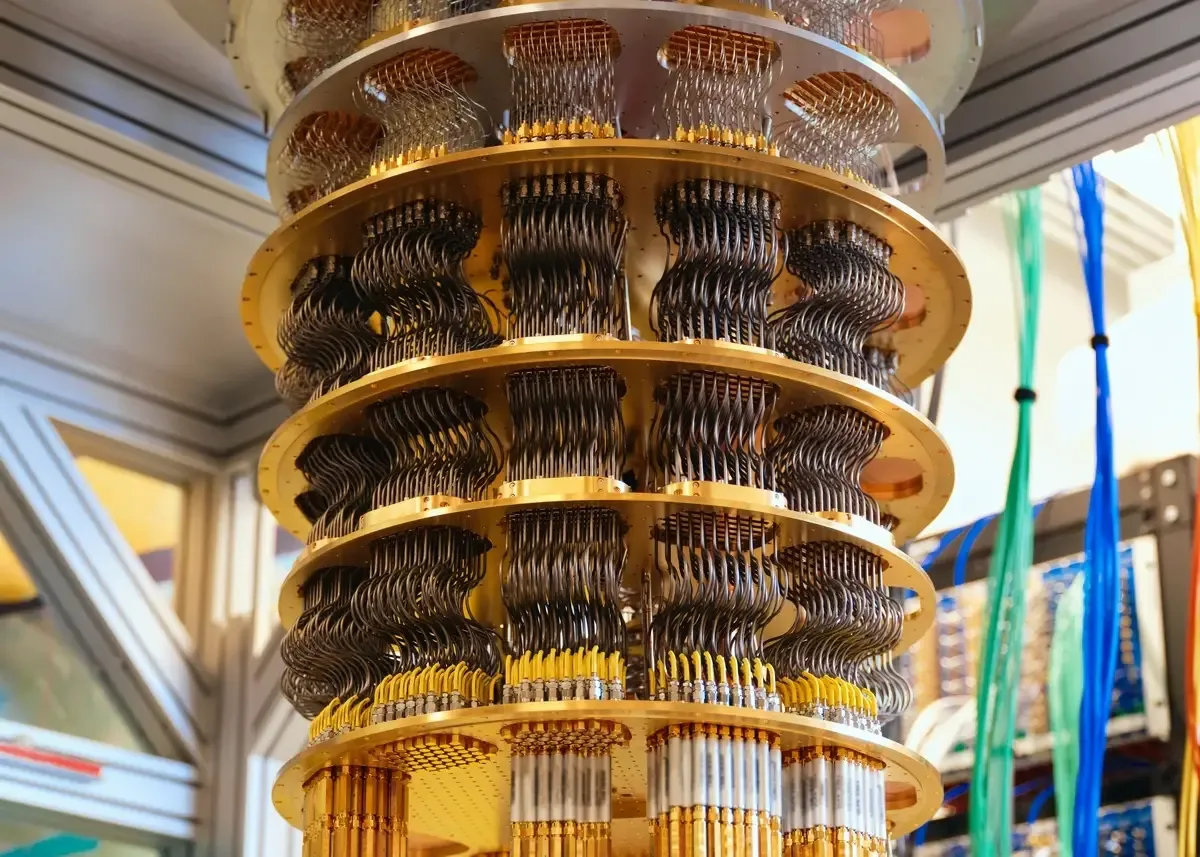
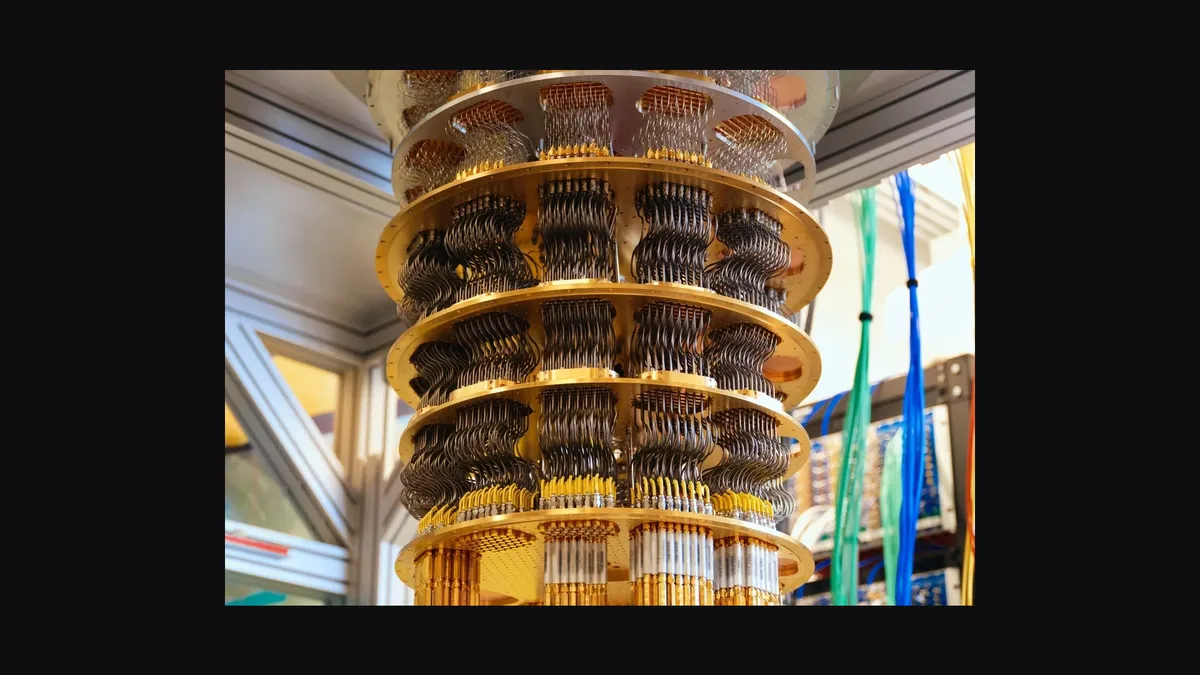
Imagine a supercomputer that's brilliant but also… a bit clumsy. That's kind of where quantum computers are right now. They're prone to making mistakes, which is less than ideal when you’re trying to solve the universe’s biggest mysteries. But the US Department of Energy (DoE) just decided it’s tired of waiting for perfection, setting an audacious goal: a fully functional, fault-tolerant quantum computer by 2028.
Yes, 2028. That's three years from now, if you're counting. This isn't just about making them faster; it's about making them smart enough to catch their own errors, essentially becoming self-correcting. Because apparently that’s where we are now.
The Quantum Conundrum
Here’s the rub: those tiny quantum bits, or qubits, are incredibly fragile. A slight cosmic ray, a whisper in the wrong direction, and poof — error. Experts reckon you need about 1,000 physical qubits to get just one reliable, error-free logical qubit. Most current machines are rocking a few hundred physical qubits, max. So, the industry consensus was that a truly fault-tolerant machine was still a decade away.
We're a new kind of news feed.
Regular news is designed to drain you. We're a non-profit built to restore you. Every story we publish is scored for impact, progress, and hope.
Start Your News DetoxThen Darío Gil, the DoE's undersecretary for science, strolled in and said, "Nah, let's do it in three." His exact words? "By 2028 we will deliver the first generation of fault-tolerant quantum computers capable of scientifically relevant quantum calculations." Talk about a mic drop.
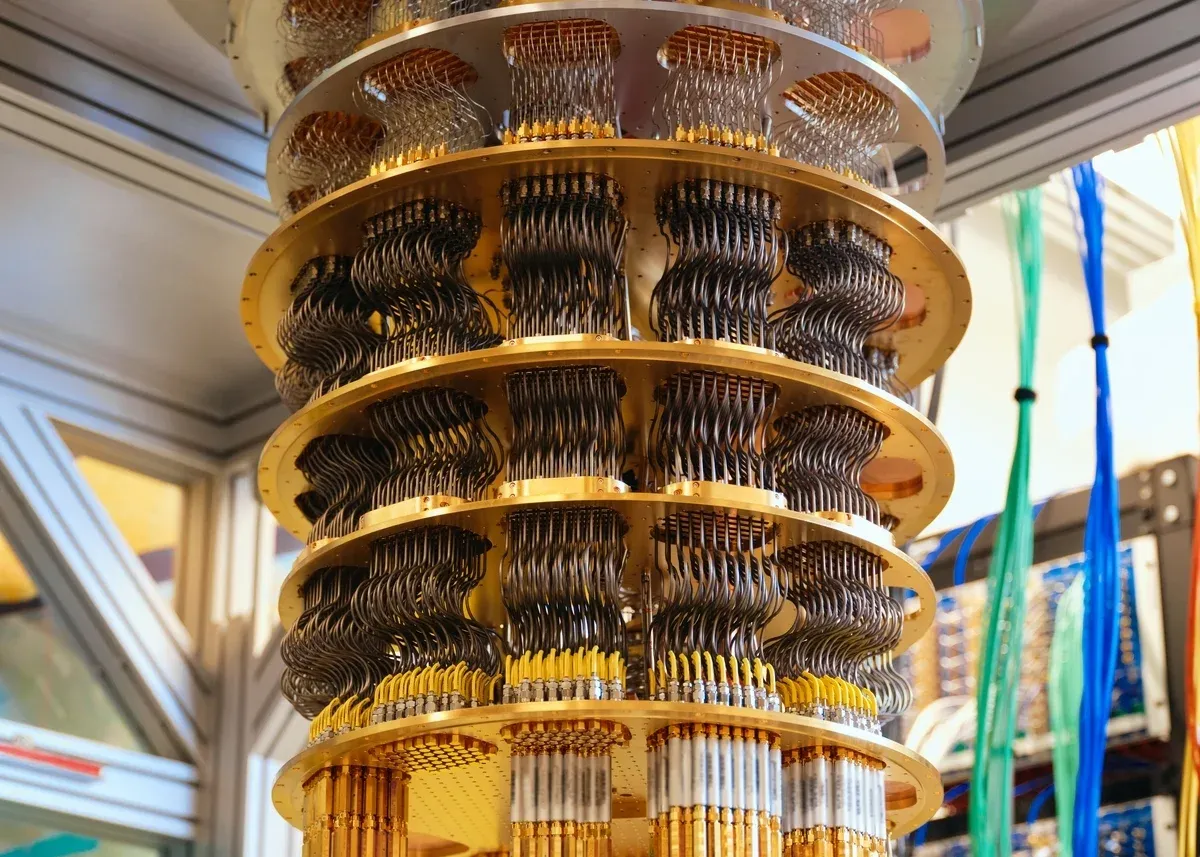
Now, the DoE isn't planning to build this beast themselves. Oh no. They’re essentially putting out an incredibly complex, multi-billion-dollar RFP to quantum computing companies. "You can build it however you want," Gil explained, "so long as you meet that objective and demonstrate scientific relevance." Superconducting qubits, trapped ions, neutral atoms — the DoE is playing the field. The winning machine will likely find its new home at one of the department's national laboratories, open to researchers whose projects are deemed scientifically important. Free quantum computing, anyone?
This isn't the DoE's first rodeo in the quantum realm. Back in November 2025 (yes, future November 2025, because apparently they're already planning for it), they committed a cool $625 million to renew their National Quantum Information Science Research Centers. They're clearly all in on quantum everything.
Of course, there are a few tiny hurdles. While Google did show in December 2024 that quantum error correction works in practice, scaling up the hardware is still a monumental headache. Yale physicist Steven Girvin called the DoE's goal "a very optimistic but worthy goal," noting that while progress is "tremendous," true fault-tolerance is still a distant shore.
And then there’s the talent gap. A report from quantum company Riverlane highlighted a rather alarming detail: there are only about 600 to 700 quantum error correction experts in the entire world. The industry will need up to 16,000 by 2030, and training these folks takes up to a decade. So, while the DoE's grand challenge might attract some much-needed attention (and funding), hitting that incredibly bold 2028 deadline might just be the biggest quantum leap of all.