In the mid-20th century, astronomers found "clumpy" galaxies. These galaxies were full of bright blobs, which are massive stellar nurseries where stars are born very quickly. These clumpy galaxies were much more common in the early universe than they are today. Scientists still don't know why they disappeared.
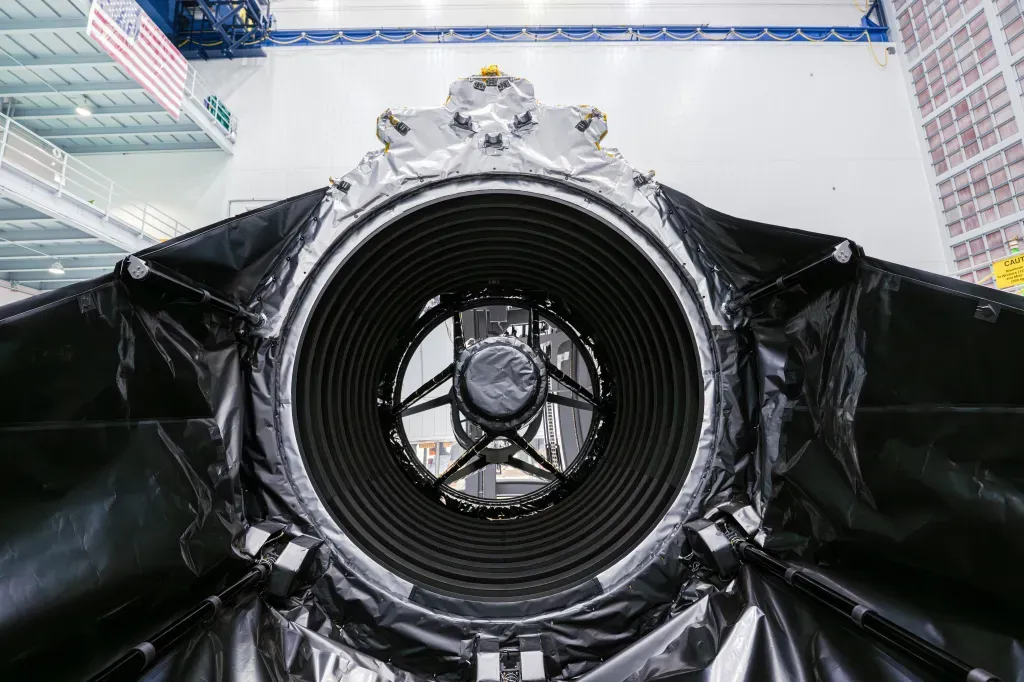
The Euclid space telescope has started taking pictures of millions of galaxies. These images include detailed views of clumpy galaxies. They promise to show the structure within and between the clumps. Astronomers hope to learn which galaxies have clumps, where they are, and how they evolved. But they need your help to do it.
How You Can Help
Scientists are creating a "digital assistant" using machine learning, a type of artificial intelligence. This machine algorithm has been partly trained by an earlier project called "Galaxy Zoo: Clump Scout." Now, you can volunteer for the new Galaxy Zoo: Clump Scout II project. You will help train this tool even more.
We're a new kind of news feed.
Regular news is designed to drain you. We're a non-profit built to restore you. Every story we publish is scored for impact, progress, and hope.
Start Your News DetoxYou will look at galaxy images where the machine has marked squares where it thinks it sees a real clump. The machine sometimes gets confused by distant stars or camera glitches. You will move these squares, delete them, or add new ones to help the algorithm learn better.
By joining Galaxy Zoo: Clump Scout II, you will help investigate how giant star-forming nurseries formed. You will also help solve the mystery of their disappearance over time. This work will reveal more about how star formation truly works in galaxies. All you need is a laptop or smartphone.