Quantum computing, for all its dazzling promise, has been a bit like trying to build a house of cards in a wind tunnel. Just a whisper of a problem, and the whole thing collapses into a pile of errors. But now, NVIDIA has rolled out a new set of open AI models called Ising, which aim to make those delicate quantum systems a whole lot less… delicate.
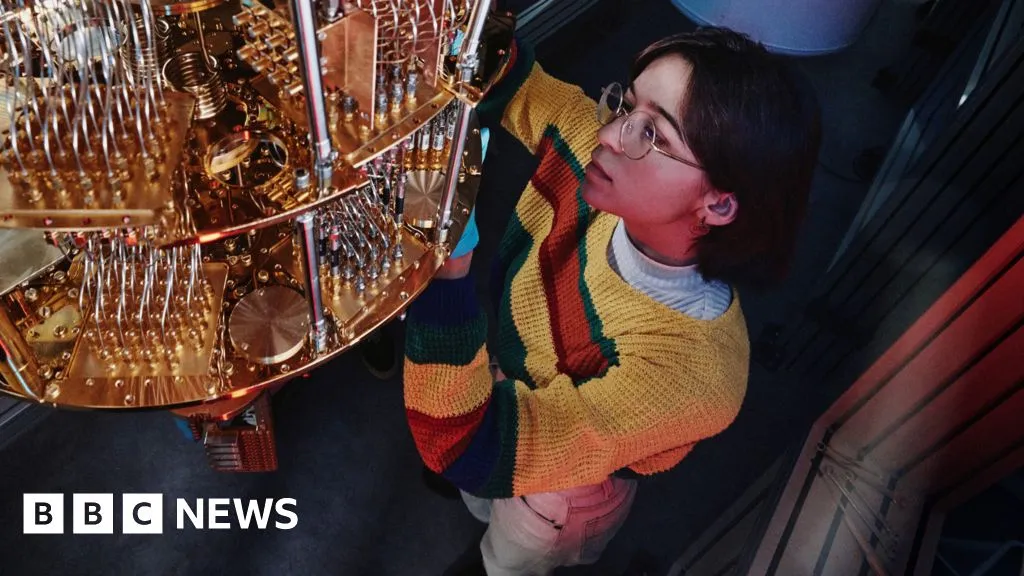
Think of it this way: quantum computers are notoriously finicky. They need constant, precise tuning (calibration) and an eagle eye for even the tiniest mistakes (error correction). These are the two biggest hurdles keeping quantum machines from tackling real-world problems. Enter Ising, a suite of AI models designed to automate these agonizingly complex processes.
NVIDIA is claiming some pretty impressive stats here: Ising models are up to 2.5 times faster and three times more accurate at correcting errors than older methods. Which, if you've ever watched a quantum physicist try to coax a qubit into behaving, is a genuinely big deal.
We're a new kind of news feed.
Regular news is designed to drain you. We're a non-profit built to restore you. Every story we publish is scored for impact, progress, and hope.
Start Your News DetoxAI Becomes the Quantum Whisperer
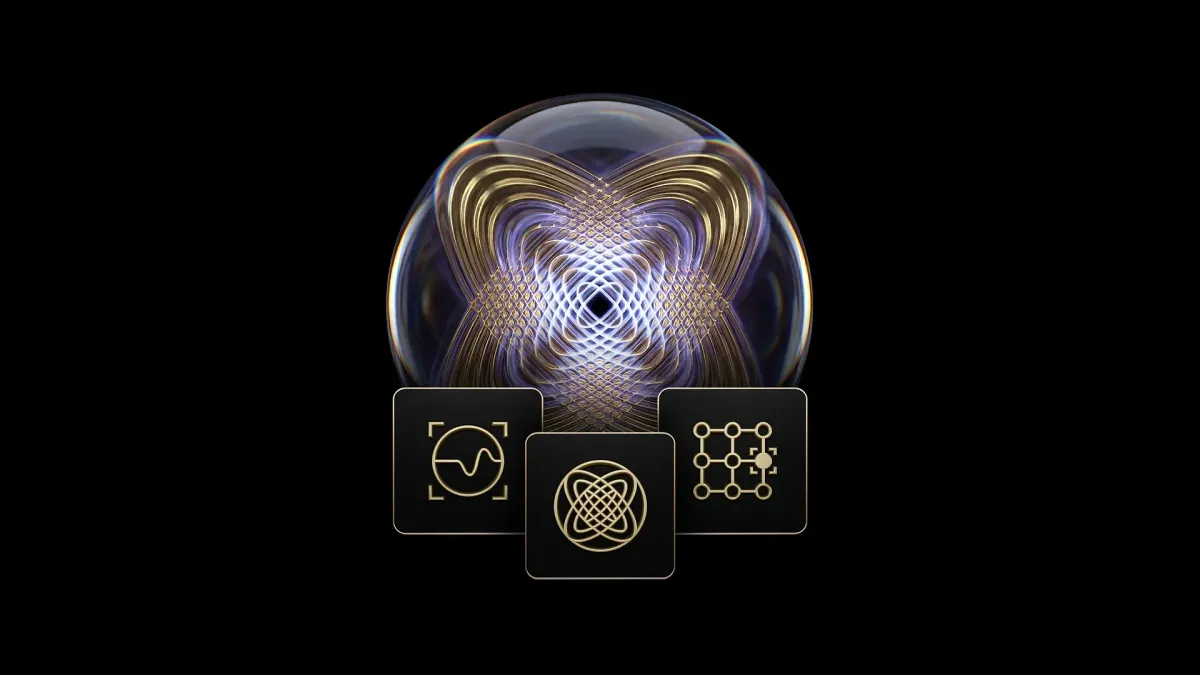
The Ising family is split into two main functions. There's the Calibration model, which uses a vision-language AI approach to interpret data from quantum processors. It basically watches what the quantum computer is doing and tells it how to tune itself. This cuts a process that used to take days down to mere hours. More tests, faster progress. You can almost hear the collective sigh of relief from labs worldwide.
Then there's Ising Decoding, which deploys 3D convolutional neural networks to process complex quantum data in real time. This is the error-correction superhero, built for speed and accuracy, fixing problems as they happen. Because when you're dealing with quantum mechanics, 'later' is usually 'too late.'
NVIDIA CEO Jensen Huang put it rather succinctly, stating that AI is becoming the "control plane" or "operating system" for quantum machines. Which, if you think about it, is both impressive and slightly terrifying. Your quantum future might just be run by an AI.
Big names are already jumping on board, with Harvard, Fermilab, and Lawrence Berkeley National Laboratory among the early adopters. This isn't just a tech demo; it's a fundamental shift in how we might finally get these temperamental quantum beasts to play nice with classical computers.
NVIDIA isn't just dropping these models and walking away. They're integrating Ising into their broader CUDA-Q platform and NVQLink hardware, creating a seamless conversation between quantum processors and classical GPUs. And by making the models open source, they're inviting everyone to the party, letting developers customize them for different quantum hardware. Because apparently, that's where we are now: AI is teaching quantum computers how to behave.
This isn't just about tweaking a few settings; it's about making quantum computing practical. It's about bridging the gap between theoretical marvels and actual, working machines. And if that's not enough to make you wonder what's next, well, you haven't been paying attention.