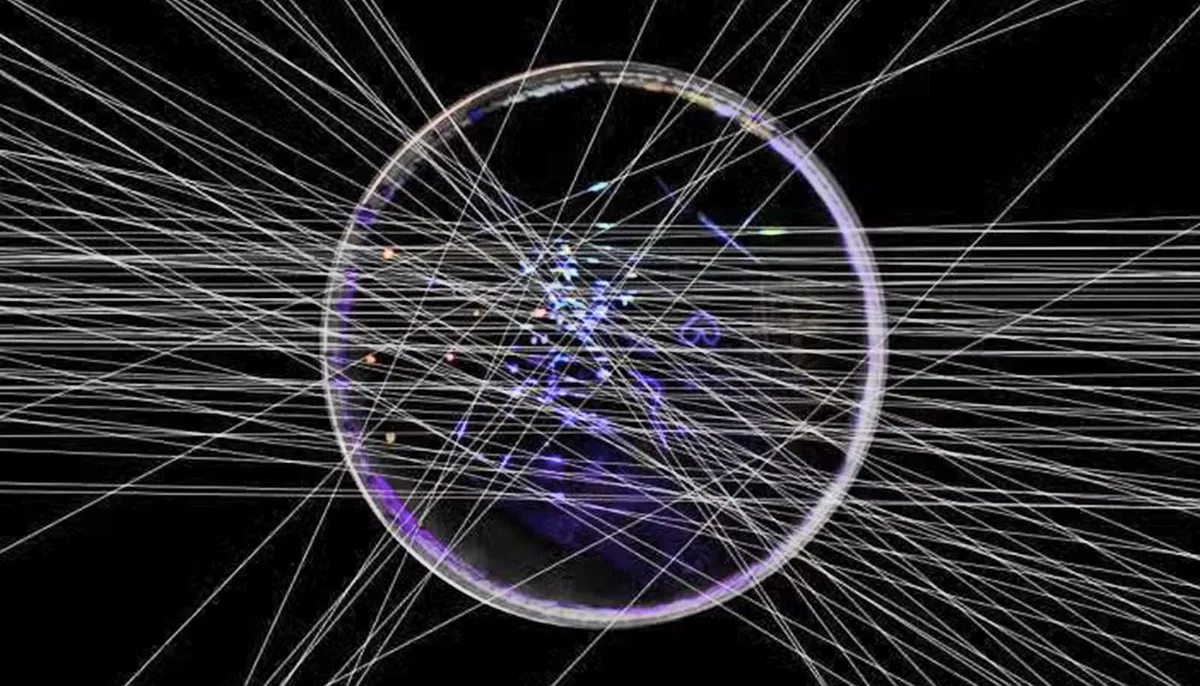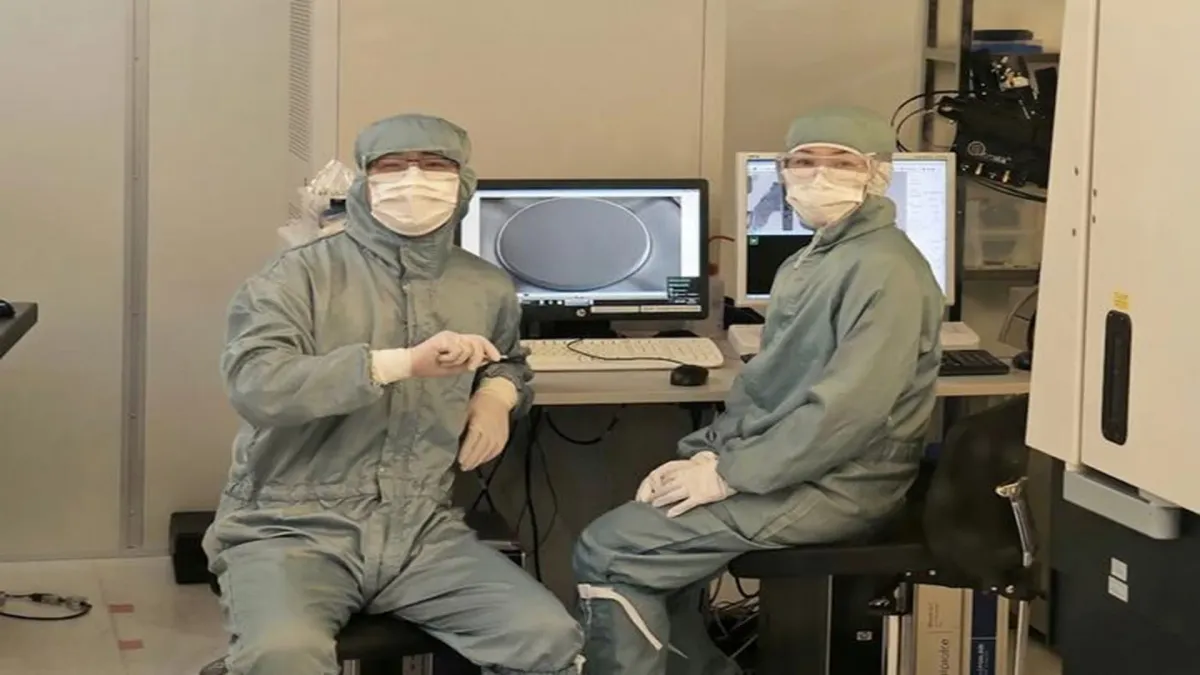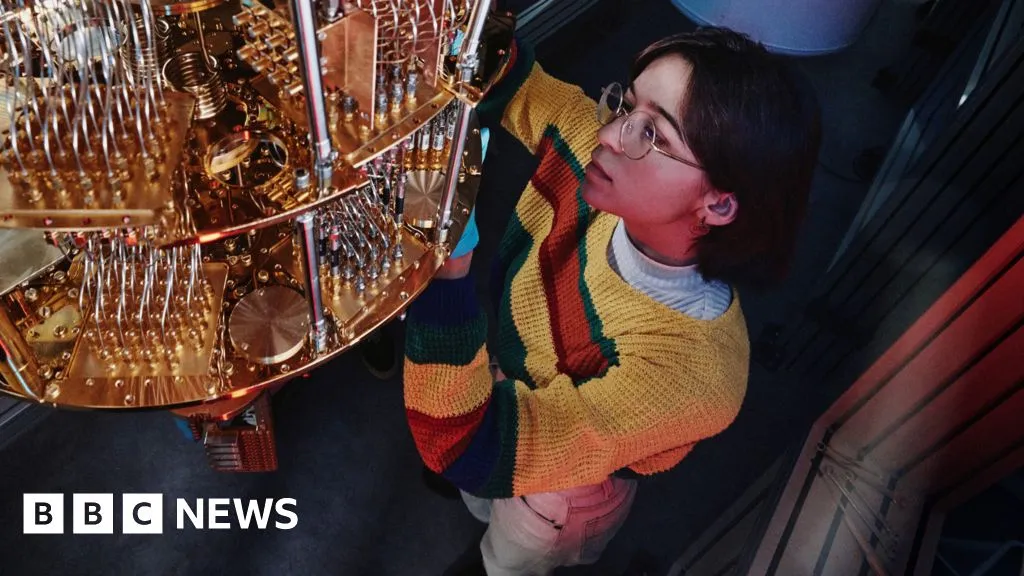
In a lab near Paris, a technician adjusts a cryostat. This device cools to extremely low temperatures, about minus 273 degrees Celsius. Inside, a small chip holds the key to quantum computing.
This chip uses quantum mechanics, a phenomenon where particles change energy levels in ways that seem impossible in our everyday world. These machines are called quantum computers.
Alice & Bob's Approach to Quantum Computing
The French company Alice & Bob is at the forefront of this technology. They are opening a new $50 million facility north of Paris to test larger machines and make their own chips.
We're a new kind of news feed.
Regular news is designed to drain you. We're a non-profit built to restore you. Every story we publish is scored for impact, progress, and hope.
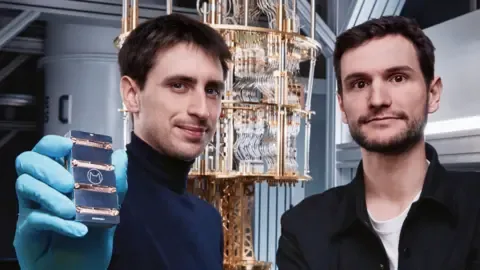
Start Your News DetoxThéau Peronnin, co-founder and CEO, believes quantum computers will soon be reliable. He says they will connect to High Performance Computers (HPCs) to greatly increase computing power. This isn't about being faster, but about solving problems that classical computers cannot.
Peronnin suggests quantum computing could make medicine an exact science. It could allow for massive calculations to see how molecules react, helping develop new medicines with fewer side effects. The company that builds the first reliable quantum computer at scale could see huge success.
The biggest challenge in quantum computing is that qubits, which perform calculations, are very fragile. They lose their quantum states easily due to outside interference. Most methods try to fix this with many extra qubits, using a "majority vote" to correct errors. This makes the machines very large and expensive.
Alice & Bob uses a different method with "cat qubits," named after Schrödinger's cat. These qubits are designed to correct some errors on their own. Peronnin says this built-in correction will make the process less complex and cheaper than other methods. He notes that other major players, like Google, are now exploring similar ideas.

Europe's Quantum Race
Alice & Bob is part of France's PROQCIMA program, a government effort to develop useful quantum computers. France has several other important quantum computing companies, including Pasqal, Quandela, Quobly, and C12. These companies explore various types of qubits.
Olivier Ezratty, an academic, notes that French firms often have an advantage in machine cost and energy efficiency.
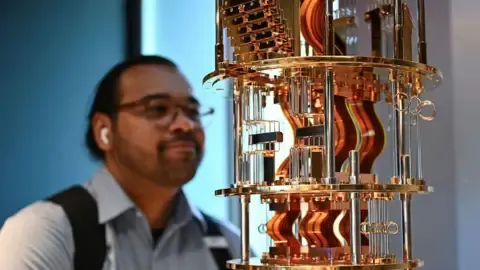
Other European countries are also active. Finland's IQM recently became the first listed European quantum company. The UK has Oxford Quantum Circuits (OQM) and Riverlane, which creates quantum operating systems. Some European companies, like IQM and Pasqal, already have quantum computers contributing to high-performance computing. French firms are also placing their machines in companies like Air Liquide to train specialists.
Peronnin admits that current quantum computers are not yet powerful. However, he believes France has a strong chance to lead in this field. France has excellent physics education, with many Nobel laureates in physics. He sees quantum computing as a math challenge without old technology holding anyone back.
Peronnin emphasizes the need for capital investment. He believes Europe has the resources and the opportunity to become a leader in this technology. He feels that Europe, which missed out on some past tech revolutions, can succeed this time by believing in its own capabilities.
Deep Dive & References
- Alice & Bob funded to build fault-tolerant quantum computer PROQCIMA - Alice & Bob Newsroom
- What is Schrödinger's cat? - Science Focus
- Understanding Quantum Technologies 2025 - Olivier Ezratty