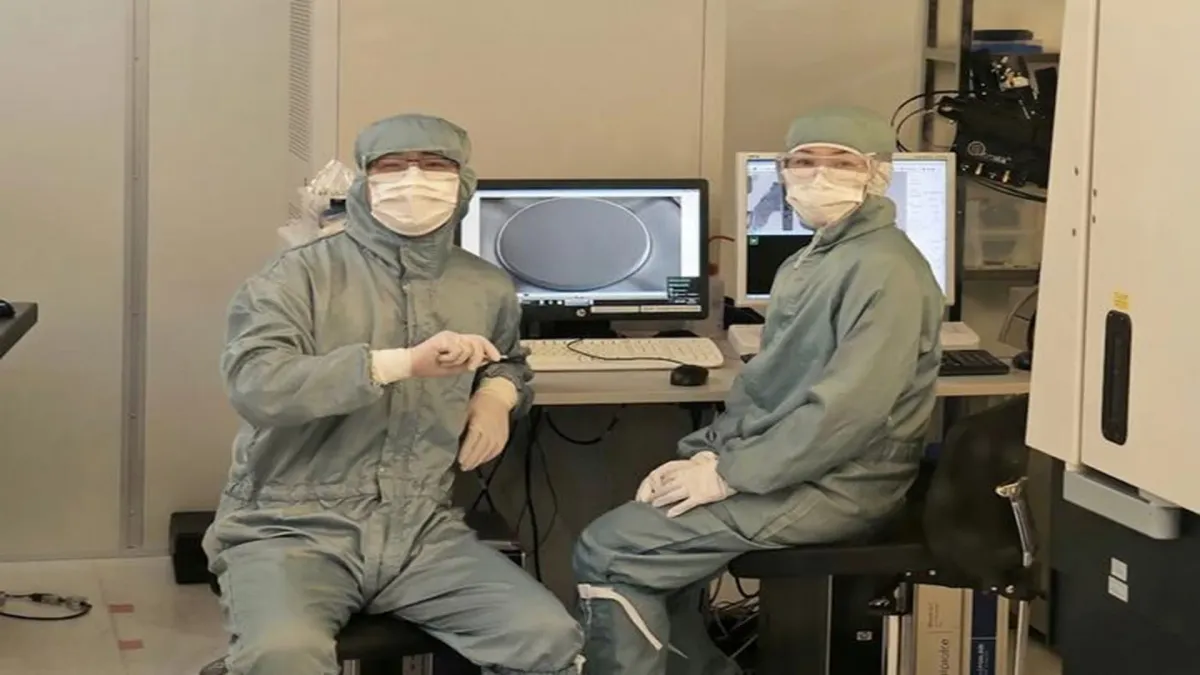
Imagine light, trapped on a microchip, circling a tiny disk millions of times before it finally fades. Sounds like something out of a sci-fi flick, right? Well, scientists just made it a reality, and the secret weapon is surprisingly simple: a thin layer of aluminum.
Turns out, making high-performance photonic devices — essentially, computer chips that use light instead of electricity — has a major bottleneck. The materials that are best for this, called van der Waals (vdW) materials, are incredibly thin and fragile. Think of them as the supermodels of the material world: stunningly effective, but easily damaged by conventional manufacturing.
The Light's New Bodyguard
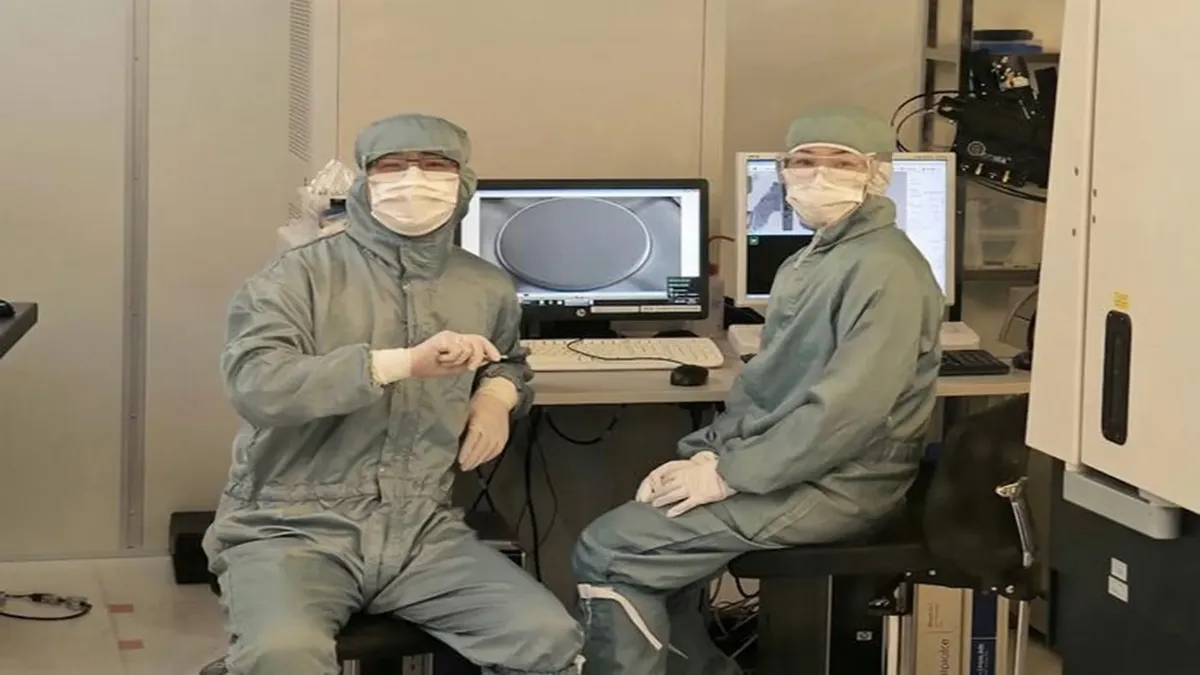
Researchers faced a classic dilemma: how do you shape these delicate materials into the precise structures needed for light manipulation without, you know, destroying them? Their solution was elegant. Before cutting or shaping, they gave the vdW material a temporary bodyguard: a microscopic coating of aluminum. This protective layer acts like a tiny suit of armor, absorbing the brutal impact of the processing tools.
We're a new kind of news feed.
Regular news is designed to drain you. We're a non-profit built to restore you. Every story we publish is scored for impact, progress, and hope.
Start Your News DetoxAndreas Liapis, one of the researchers, put it perfectly: this aluminum layer works like a miniature shield, taking the destructive hit from the ion beam. The result? Incredibly smooth, disk-shaped structures that can trap light with almost zero loss. We're talking quality factors over 1,000,000. Let that satisfying number sink in. It means light can circle inside these microdisks millions of times. Xiaoqi Cui noted that using vdW materials as building blocks has been a major challenge, despite their potential.
This isn't just a minor improvement; it's a thousand-fold leap over previous vdW systems, according to Zhipei Sun. Suddenly, these super-thin materials aren't just pretty faces; they're active, high-performance components.
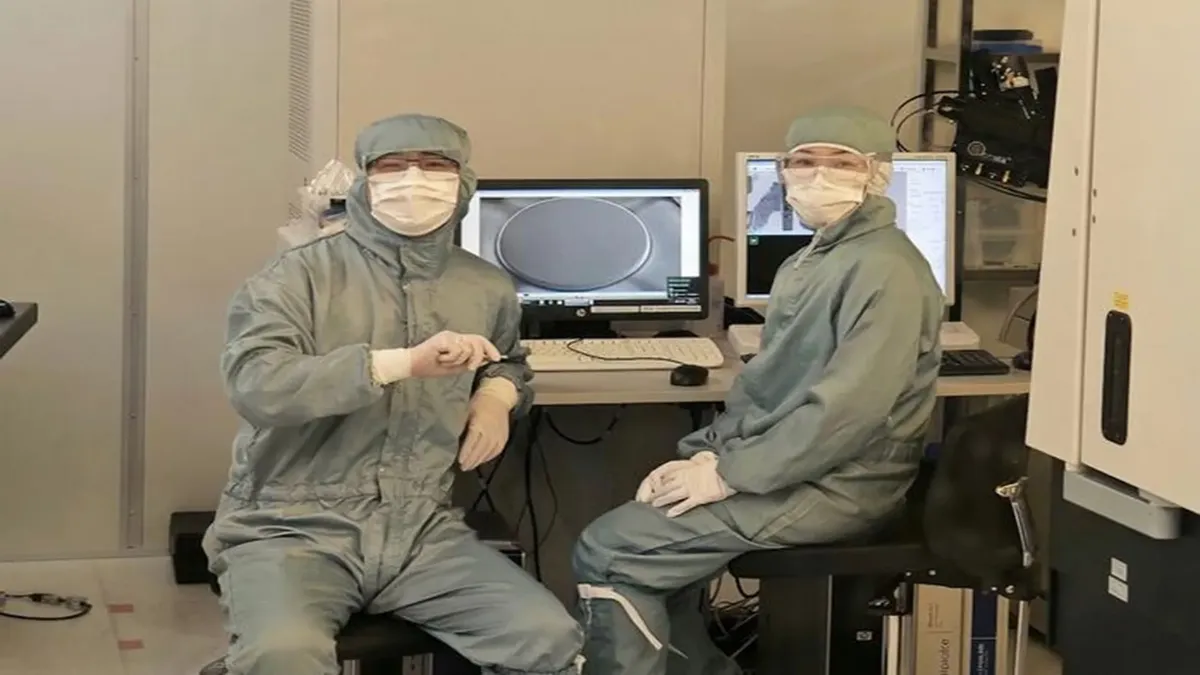
When light gets trapped like that, it has more time to interact with the material, boosting optical effects that are usually too weak to be useful. In tests, the team saw a 10,000-fold increase in efficiency for something called second harmonic generation — basically, changing light from one frequency to another. Which, if you think about it, is both impressive and slightly terrifying in its implications.
This breakthrough transforms vdW materials from passive components into active building blocks for things like reconfigurable circuits, quantum light sources, and super-sensitive sensors, all integrated directly onto chips. It's a bit like discovering that the delicate silk you thought was only good for scarves can actually stop bullets, provided you give it a tiny, metallic underlayer. The future of light-based tech just got a whole lot brighter.