Turns out, the protein known for wreaking havoc in Alzheimer's brains might also be a meticulous stage manager for one of life's most fundamental acts: cell division. Yes, tau, the notorious clumper, has been caught moonlighting in a surprisingly vital role, helping ensure our cells split perfectly, every single time.
This is big news, because precisely choreographed cell division is how we heal wounds, grow hair, and generally keep the lights on. It’s also a process that, when it goes wrong, can lead to all sorts of trouble. Researchers at POSTECH (Pohang University of Science and Technology) just dropped a paper in Nature Communications that flips our understanding of tau on its head.
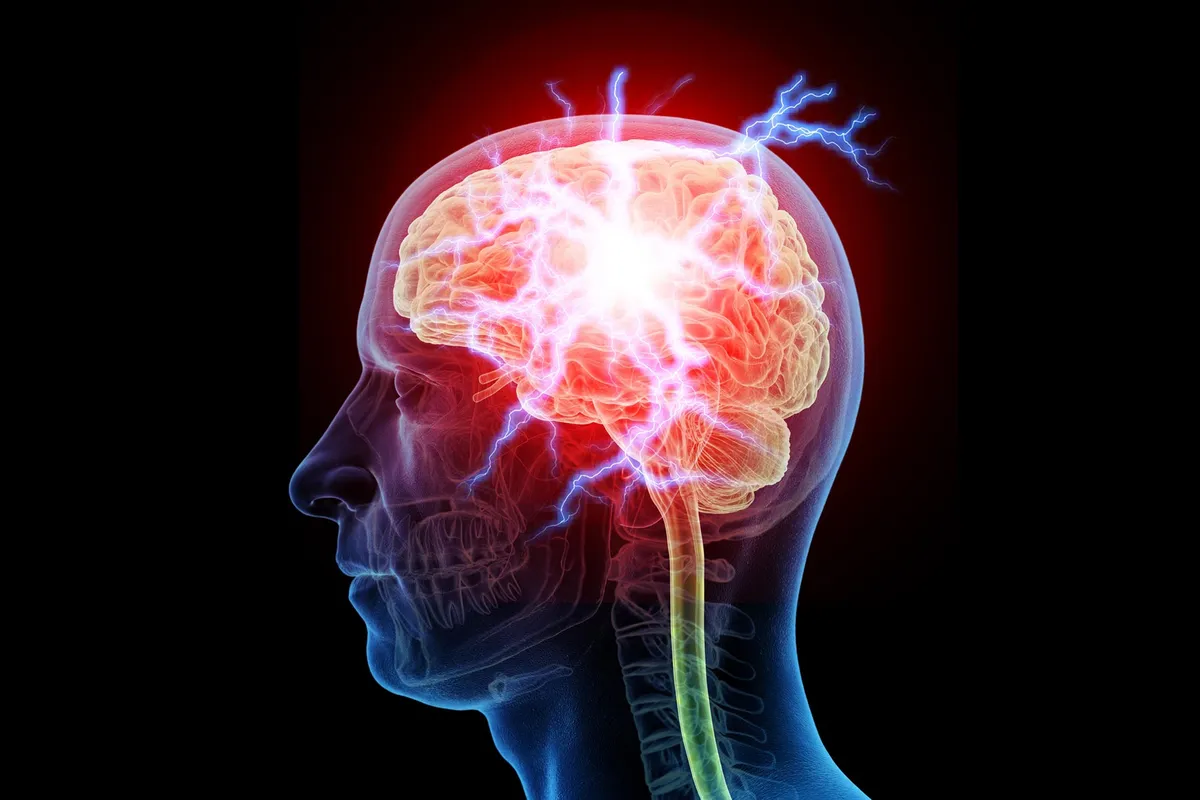
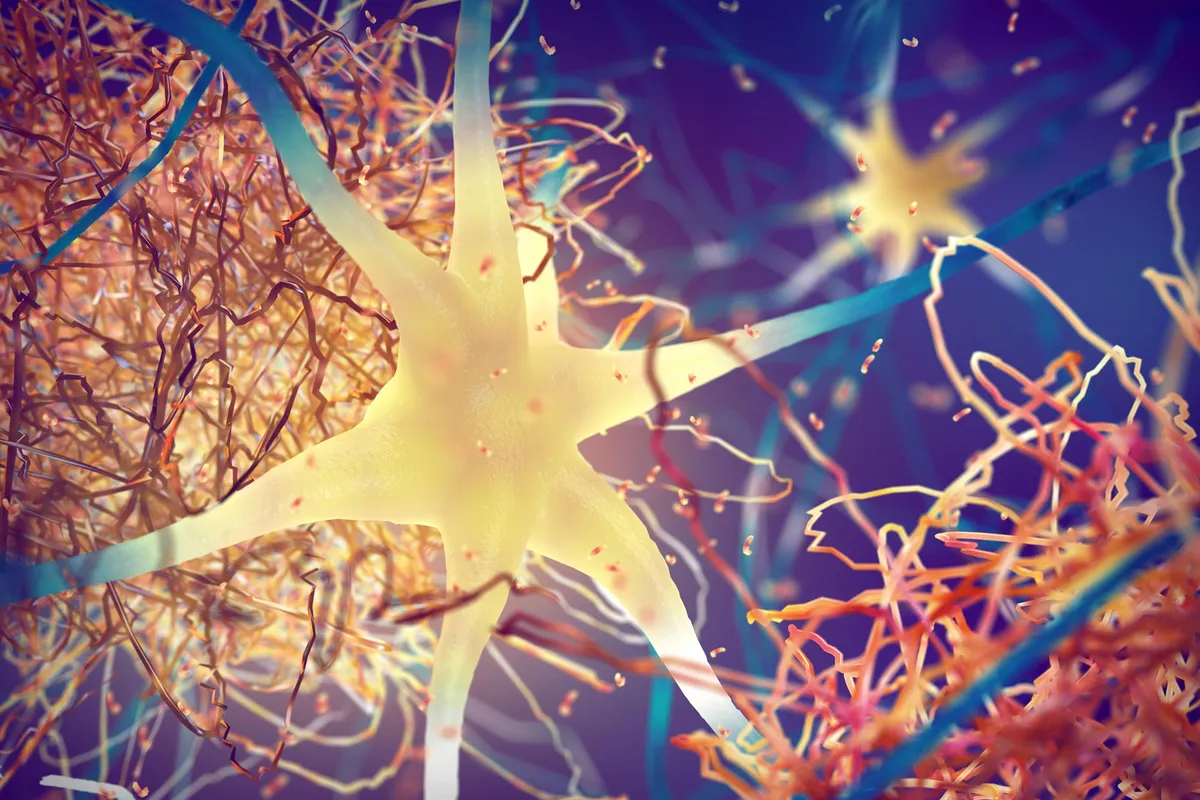
For years, tau's claim to fame (or infamy) has been its tendency to form sticky tangles in Alzheimer's patients' brains. In a healthy brain, it's a helpful protein, stabilizing the tiny internal scaffolding of cells called microtubules. Recent studies even showed tau can gather molecules into little droplet-like structures. But its interaction with DNA? That was largely a mystery.
We're a new kind of news feed.
Regular news is designed to drain you. We're a non-profit built to restore you. Every story we publish is scored for impact, progress, and hope.
Start Your News DetoxTau: The Chromosome Organizer
Enter the new research. During cell division, chromosomes — the tightly packed instruction manuals for new cells — need to attach just so to those microtubules, which then pull them apart into two new cells. It’s a delicate dance. The POSTECH team wondered if tau was involved in this crucial connection.
They got up close and personal with individual DNA molecules and found that tau does indeed bind to DNA, forming these neat little condensates. Not only that, but it can move along DNA strands and even pull nearby strands together. Which, if you think about it, sounds an awful lot like an organizer.
Using some seriously high-tech imaging, the team confirmed that these tau-DNA condensates aren't just pretty. They act as actual connection points, capable of snagging microtubules. This wasn't just a lab trick; they saw it happening in living cells too.
And here's where it gets particularly interesting: a tiny chemical tweak to tau, called phosphorylation, can throw the whole operation off. When cells produced a version of tau similar to what's found in Alzheimer's, chromosomes frequently failed to line up correctly during division. So, even a slight change in tau's structure could mean a chromosomal catastrophe.
Why This Matters Beyond Brains
This unexpected discovery suggests tau isn't just a brain protein gone rogue; it’s a fundamental cellular player. The researchers believe these findings could open up entirely new avenues for understanding and treating a host of conditions — from infertility and birth defects to, yes, neurodegenerative diseases like Alzheimer's.
Professor Minju Shon, who led the study, put it simply: tau's ability to interact with both microtubules and DNA might be the missing link between these two critical cellular components. It seems tau is right there at the starting gun, making sure chromosomes get a proper grip on those spindle microtubules. Who knew a protein could be so multi-talented, and so quietly crucial, before it decides to go rogue?