For anyone who's ever wondered why some people with chronic pain seem to keep their spirits up while others spiral into depression, scientists have finally offered an answer. And it turns out, your brain isn't just taking the hits; it's actively trying to keep you from falling apart.
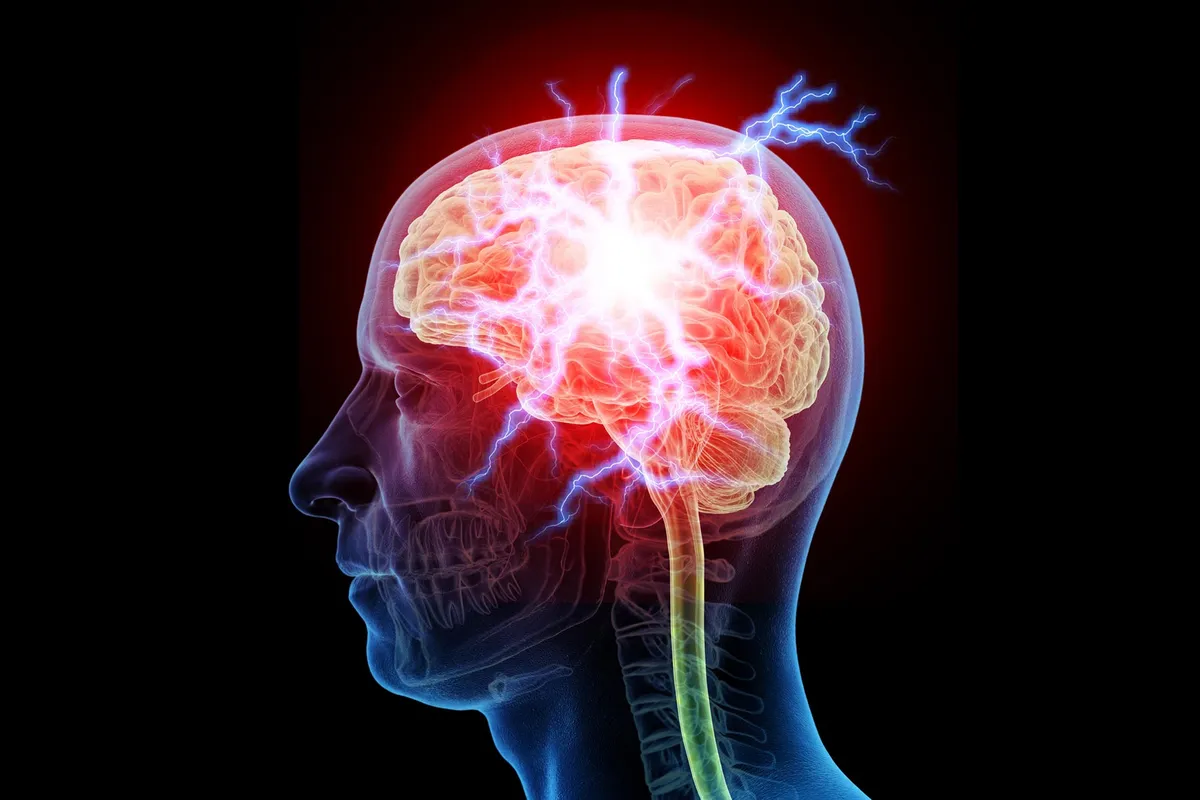
Turns out, it all comes down to the hippocampus — that seahorse-shaped part of your brain usually busy with memory. When long-term pain sets in, this area undergoes a slow, quiet transformation. And whether that transformation leads to resilience or despair seems to be the million-dollar question.
Professor Jianfeng Feng, a co-lead author from the University of Warwick, put it plainly: we knew chronic pain often brought depression and anxiety along for the ride, but we never knew why some people got a free pass. Now we do. The hippocampus, he explains, acts like a kind of emotional manager, deciding whether to keep things steady or let them unravel.
We're a new kind of news feed.
Regular news is designed to drain you. We're a non-profit built to restore you. Every story we publish is scored for impact, progress, and hope.
Start Your News DetoxThe Brain's Unexpected Defense Mechanism
Chronic pain afflicts over 20% of adults globally. That's a lot of discomfort. Yet, a surprising number of these individuals manage to avoid the mental health fallout. For years, the biological 'why' remained elusive.
Enter the UK Biobank and a stack of brain scans. Researchers noticed a pattern: people with chronic pain who didn't get depressed often had a slightly larger, more active hippocampus. They also aced memory tests. This suggests the brain might initially adapt, almost flexing its mental muscles against the pain.
On the flip side, those grappling with both chronic pain and depression showed a smaller, less active hippocampus and struggled more with cognitive tasks. The kicker? These differences didn't just appear overnight; they developed slowly, suggesting the pain itself was the architect of these changes. It's not a pre-existing weakness, but a slow burn reaction.
When Good Intentions Go Sideways
To really dig into this, researchers turned to animal studies. They watched a grim progression: first, increased pain sensitivity, then anxiety-like behaviors, and finally, depression-like symptoms. All of it mirrored structural and functional changes in the hippocampus.
The real star of this brain drama? A tiny region within the hippocampus called the dentate gyrus. This is one of the rare places where new brain cells are born even in adulthood. Initially, these new neurons went into overdrive, seemingly trying to adapt to the relentless stress.
But here's where it all went south. Over time, certain immune cells in the brain, called microglia, became too active. This hyper-activity disrupted the delicate communication between neurons and microglia, turning the brain's adaptive response into a harmful one. It was the turning point from strength to weakness.
Good news: when researchers dialled down this abnormal microglial activity in animals, the depression-like symptoms improved, and overall brain function stabilized. Which, if you think about it, is both impressive and slightly terrifying.
This all points to a fascinating conclusion: the brain isn't just a passive victim of chronic pain. It's an active participant, fighting to maintain emotional balance. Understanding this battle, especially the role of inflammation in the hippocampus, could open up entirely new avenues for early intervention. Because sometimes, the real hero is quietly working behind the scenes, or in this case, inside your skull.