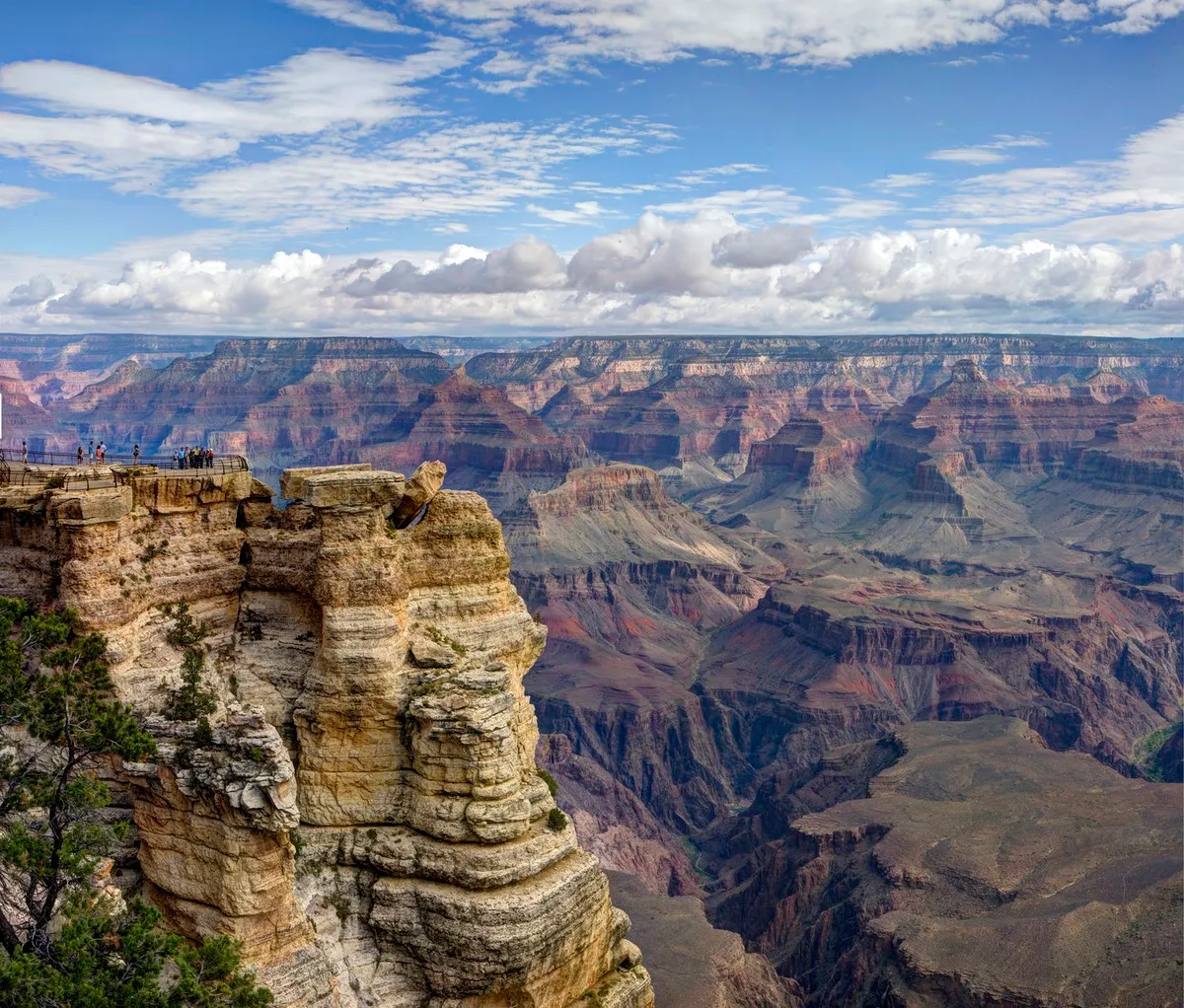
The Grand Canyon is a famous natural landmark, drawing over four million visitors each year. Despite its popularity, scientists are still unsure exactly how and when this massive gorge was formed.
A New Theory for the Grand Canyon's Origins
New research, published in Science, supports a theory called the "lake spillover" hypothesis. This idea suggests that the ancestral Colorado River created an ancient lake in northern Arizona about 6.6 million years ago.
Once this lake filled up, its water spilled westward. This overflow then began carving out the Grand Canyon along the river's current path. Ryan Crow, a geologist with the U.S. Geological Survey and co-author of the study, called this a "simple but powerful explanation" for how the Colorado River system developed.
We're a new kind of news feed.
Regular news is designed to drain you. We're a non-profit built to restore you. Every story we publish is scored for impact, progress, and hope.
Start Your News DetoxHow Scientists Found the Evidence
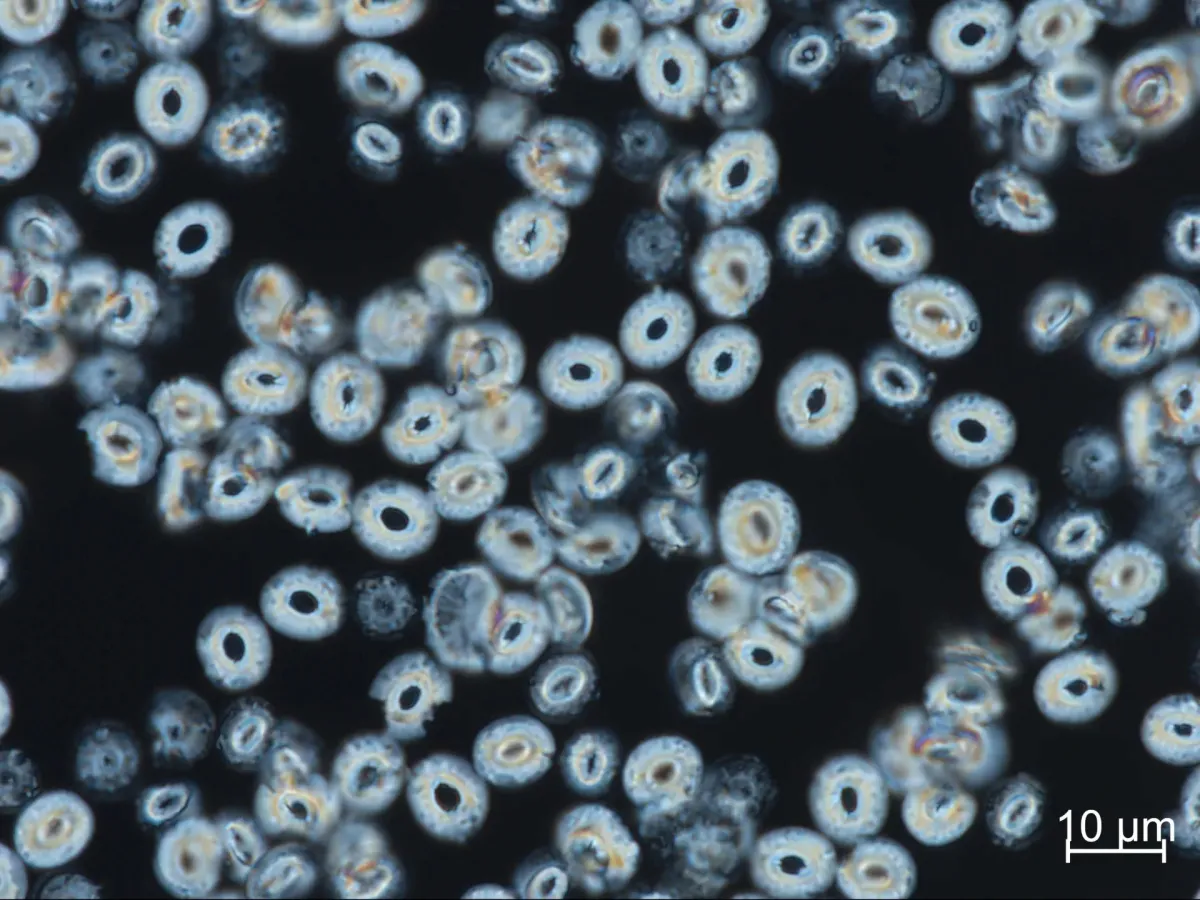
Scientists gathered 19 sandstone samples from the Bidahochi Basin, an area east of the Grand Canyon. These samples contained tiny zircon crystals. By measuring the radioactive decay of uranium into lead in these crystals, scientists could determine their age.
Zircon crystals are very durable and act like a river's "fingerprint." Their age and trace elements show where and when they originated. When researchers compared these zircon crystals to known early Colorado River sediments, they found a strong match. This suggests the sandstone in the Bidahochi Basin was once sediment from the Colorado River.
Other evidence, like increased sediment and fossilized fish, also supported this theory.

The data suggests the proto-Colorado River flowed into the basin, forming Lake Bidahochi (also known as Hopi Lake) about 6.6 million years ago. Over hundreds of thousands of years, the lake filled. Eventually, the water rose high enough to spill over the Kaibab Arch, continuing its journey west and carving the Grand Canyon.
While other factors like groundwater or erosion might have played a part, the researchers believe lake spillover was the main way the Colorado River found its current path and created the canyon. Crow noted that even if parts of the Grand Canyon were carved by other rivers, the Colorado River connected them.
Remaining Questions
Some scientists are still cautious about this new interpretation. Rebecca Flowers, a geologist at the University of Colorado Boulder, acknowledged that the lake spillover theory "can explain the data" but noted it doesn't rule out other possibilities. Karl Karlstrom, a geologist at the University of New Mexico, also mentioned that "key details" of the lake spillover idea still need testing.
Despite the debate, these findings might help solve another puzzle. Scientists generally agree the Colorado River existed in western Colorado about 11 million years ago and exited the Grand Canyon around 5.6 million years ago. The new research suggests the river pooled in the Bidahochi Basin about 6.6 million years ago, which could fill part of that timeline gap.
John He, a geologist at the University of California, Los Angeles, and lead author, explained that the new evidence shows the river "pooled just east of the Grand Canyon, feeding a vibrant ecosystem."
Deep Dive & References
- New Research Shows Prehistoric Lake Contributed to Birth of Grand Canyon - U.S. Geological Survey, 2026
- Grand Canyon’s origin resolved? Ancient lake’s flood may have etched famed gorge - Science, 2026
- Colorado River may have pooled and spilled over to form the Grand Canyon, solving a long-standing mystery — but not everyone agrees - Live Science, 2026
- How the Grand Canyon formed is a surprisingly messy story. Here’s the latest clue - Scientific American, 2026
- A 2025 study analyzed fossils found in the Grand Canyon that dated to between 507 million and 502 million years ago. The toothy worms, slug-like mollusks and other soft-bodied critters suggest the area was an evolutionary hotspot.