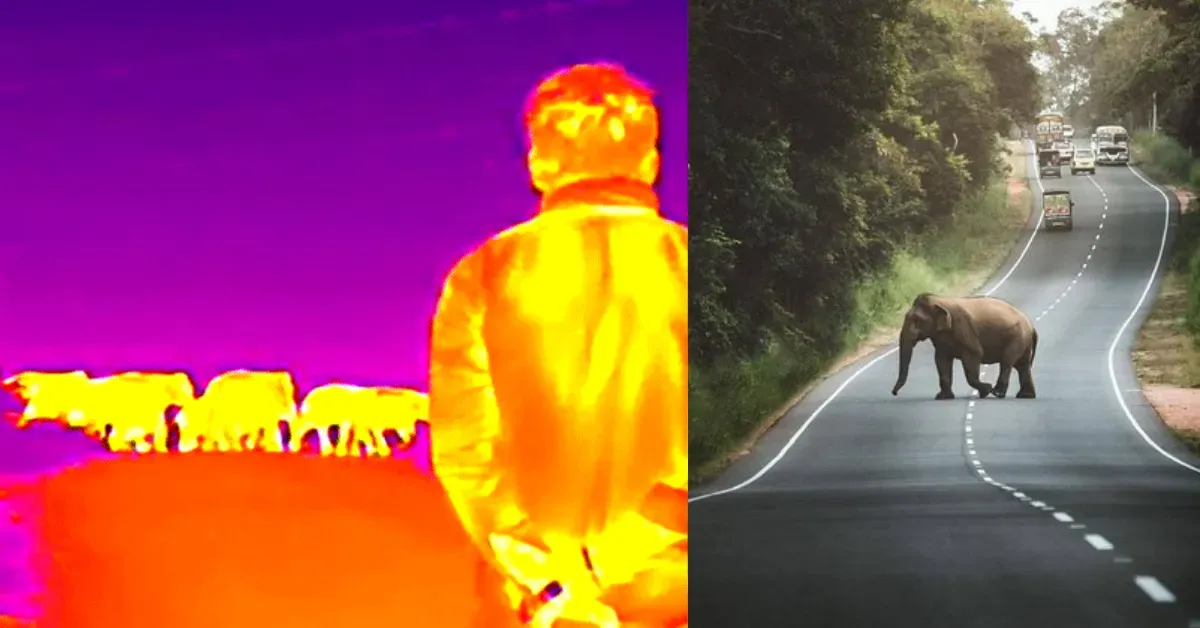
A herd of elephants, moving like ghosts through a forest in India, was spotted not by human eyes, but by thermal cameras. This wasn't a surveillance operation; it was a life-saving measure, preventing collisions with speeding trains and reminding us that sometimes, the best solutions come from seeing things differently.
The Unseen World Gets a Spotlight
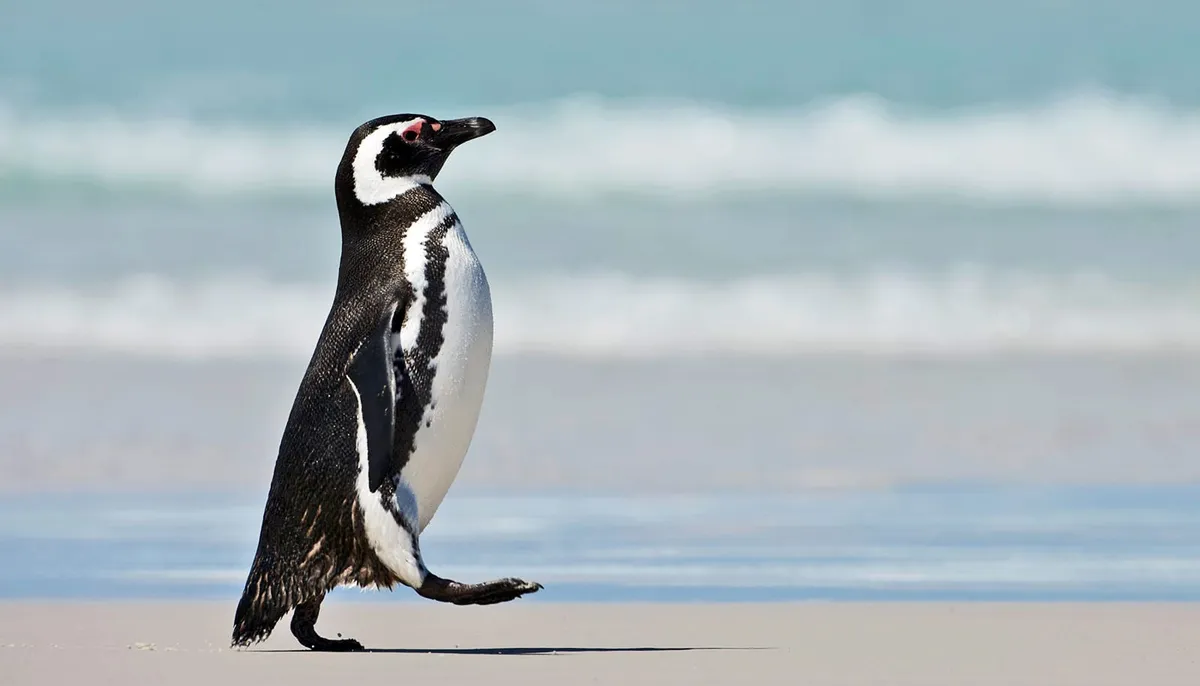
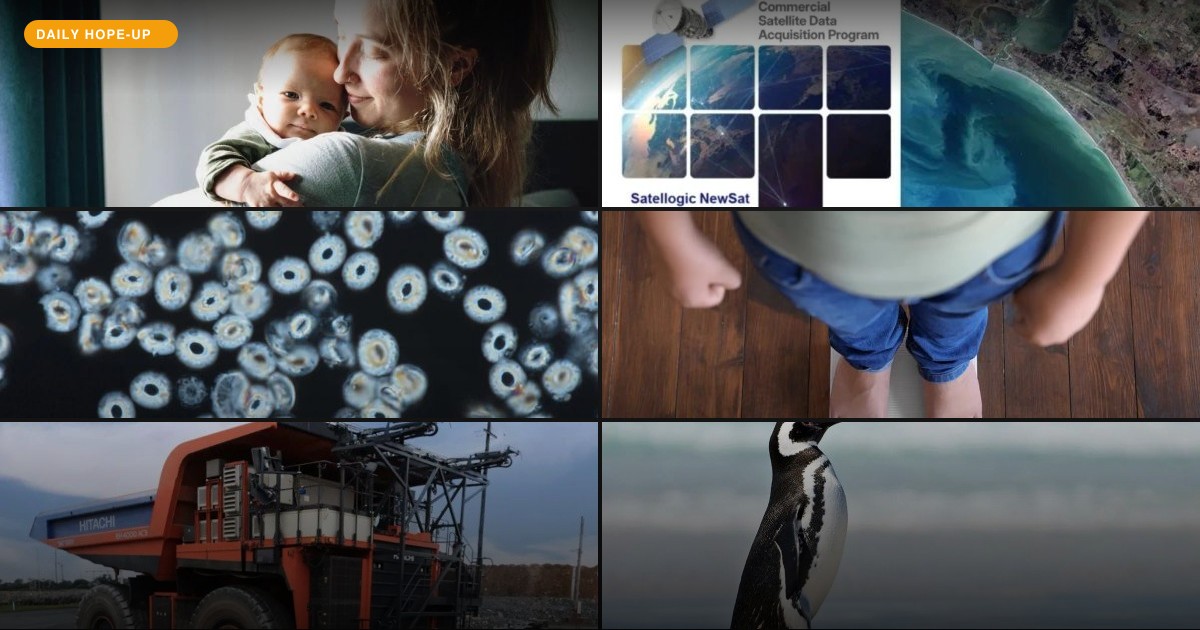
That elephant story, where thermal cameras let officials see elephants in the dark, highlights a quiet theme this week: using clever tech to observe the world in ways we couldn't before, leading to smarter interventions. Across the globe, scientists are turning unlikely subjects into biological sensors. In Patagonia, for instance, penguins are now wearing tiny chemical detectives – leg bands that help researchers detect 'forever chemicals' in remote ecosystems. It's a testament to ingenuity, turning animals into unwitting, yet vital, environmental monitors.
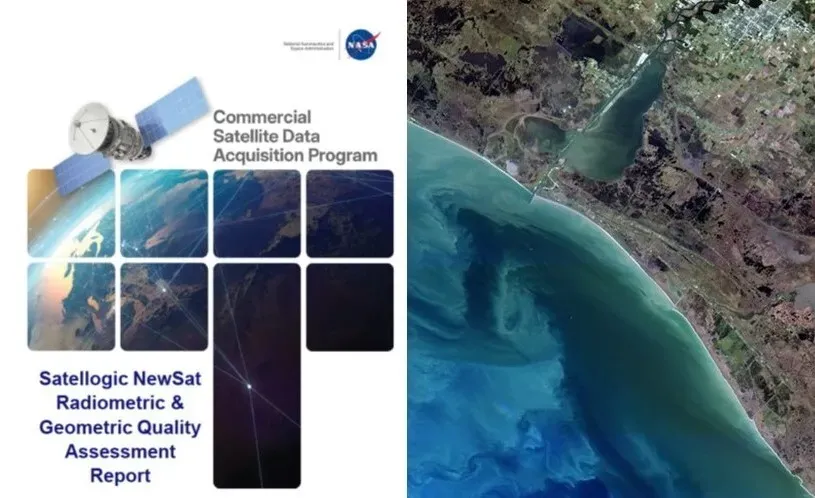
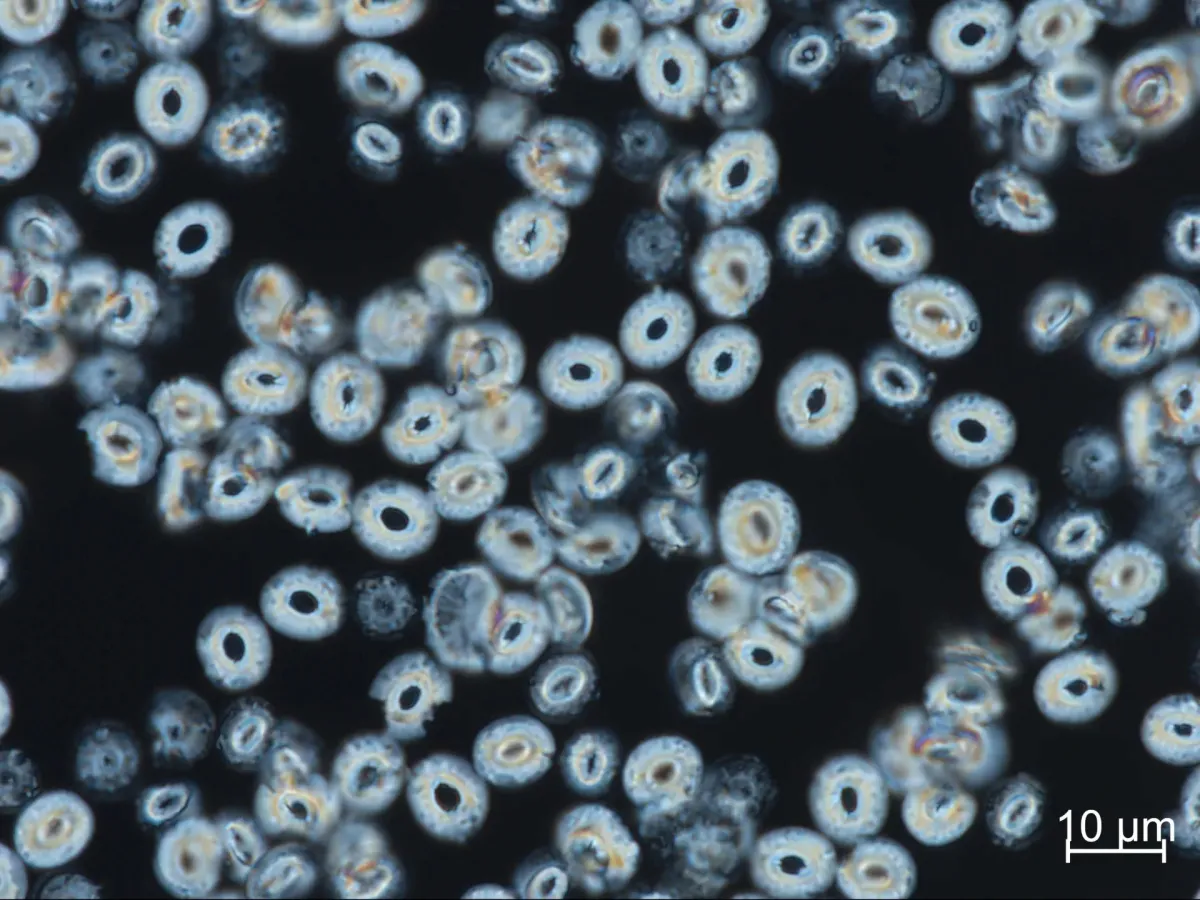
And it’s not just animals. NASA, ever the pioneer, just greenlit a private satellite fleet for scientific use, meaning a torrent of new eyes on our planet from above. This move could democratize access to critical Earth data, offering insights into everything from climate patterns to disaster response. Meanwhile, researchers applied a temperature proxy to ancient phytoplankton, revealing that the ocean was way cooler than we thought in previous epochs, fundamentally shifting our understanding of past climate models. If you've ever felt like we're flying blind on environmental issues, this week offered a reminder that the tools for seeing are getting sharper, and they're showing us a more nuanced picture.
We're a new kind of news feed.
Regular news is designed to drain you. We're a non-profit built to restore you. Every story we publish is scored for impact, progress, and hope.
Start Your News Detox"The coral had been declared dead in 2019. Five years later, it's not just alive — it's spawning." — Read the full story
Big Problems, Surgical Solutions
Sometimes, the most profound changes come not from grand gestures, but from precisely targeted interventions. This week, we saw several examples of highly focused solutions making an outsized impact, particularly in health. A new study confirmed that a pregnancy vaccine just cut infant hospital stays by 80% for RSV, a severe respiratory virus. That’s not just a statistic; it's thousands of worried parents breathing easier and countless tiny lungs getting a fighting chance. This isn't a cure-all; it's a bullseye on a major pediatric threat.

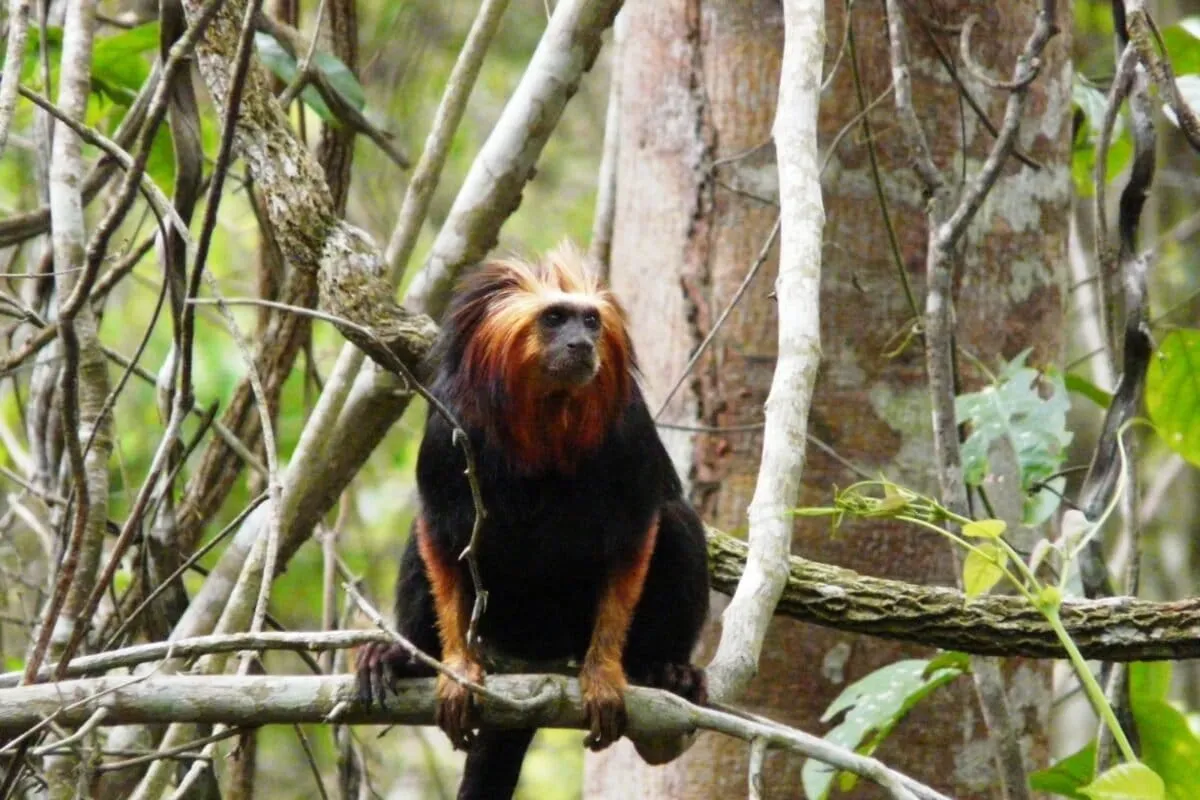
In Brazil, where urban sprawl encroaches on nature, they've opened the first rehab center for golden-headed lion tamarins. This isn't about saving an entire ecosystem, but about giving a highly vulnerable, endangered monkey species a second chance when they run into the realities of human expansion. It's a focused effort to mitigate direct conflict, one small monkey at a time. If you've been anxious about the scale of global problems, this week offered a dose of hope that highly specific, well-executed solutions can still make an enormous difference where it counts most.
Hope stat: 80% — the reduction in infant hospitalizations for RSV thanks to a new pregnancy vaccine.
Watch this space: We're seeing a growing trend of 'bio-monitoring' solutions, turning natural elements into data gatherers; expect more creative applications soon.