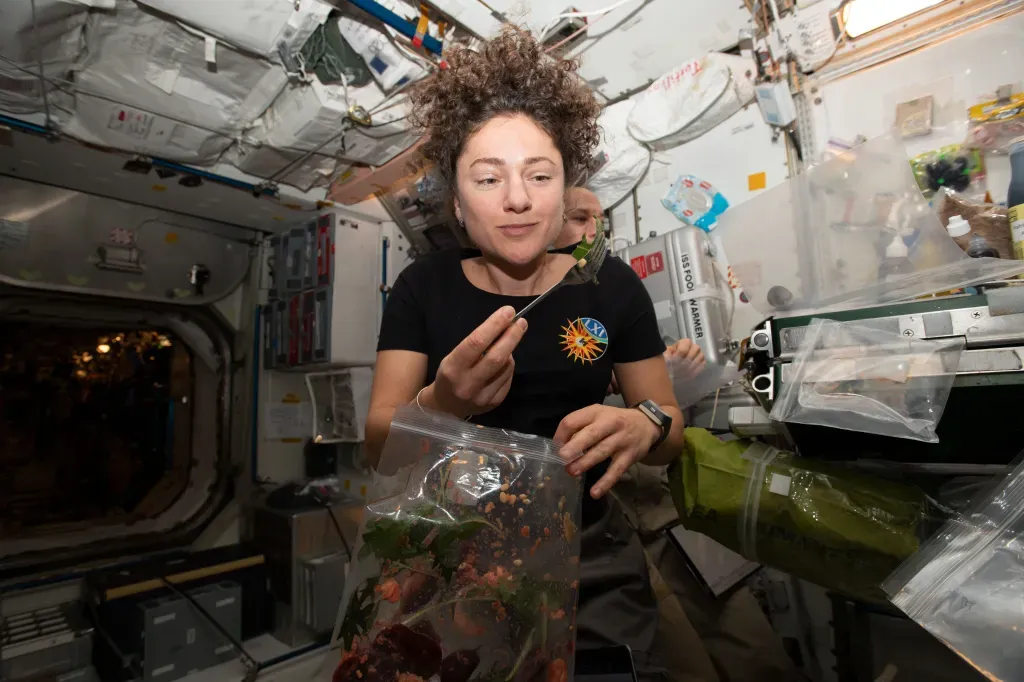
NASA's Human Research Program has a job: keep astronauts from turning into space-pickles on their way to the Moon and Mars. Which, as you can imagine, involves a lot of monitoring, a lot of data, and a lot of very smart people trying to figure out what deep space does to a human body.
Now, they've got a challenge for you (and your very smart brain) that comes with a cool $25,000 in prizes. Because apparently, even rocket scientists need a little help crunching the numbers.
The Ultimate Space Road Trip
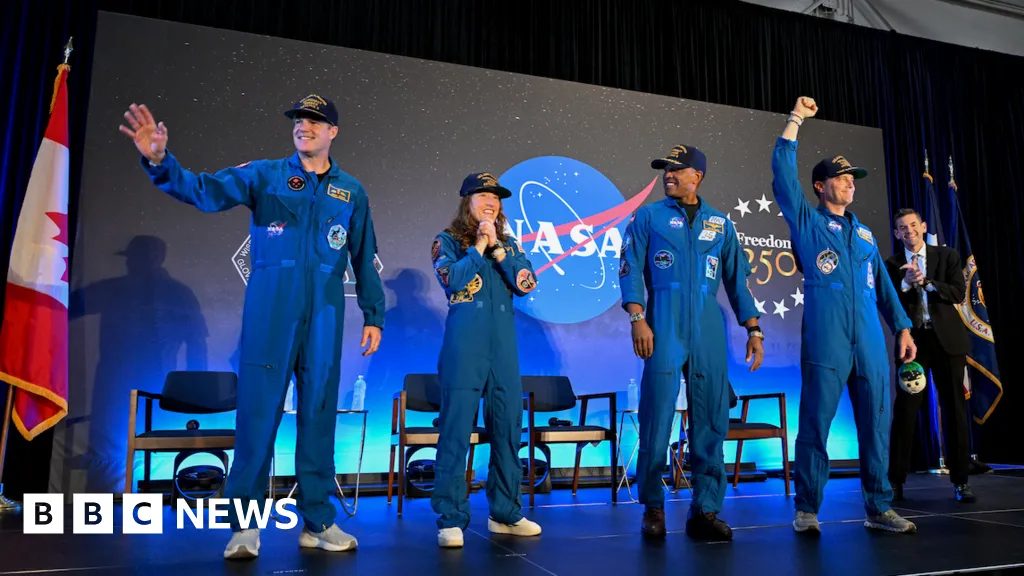
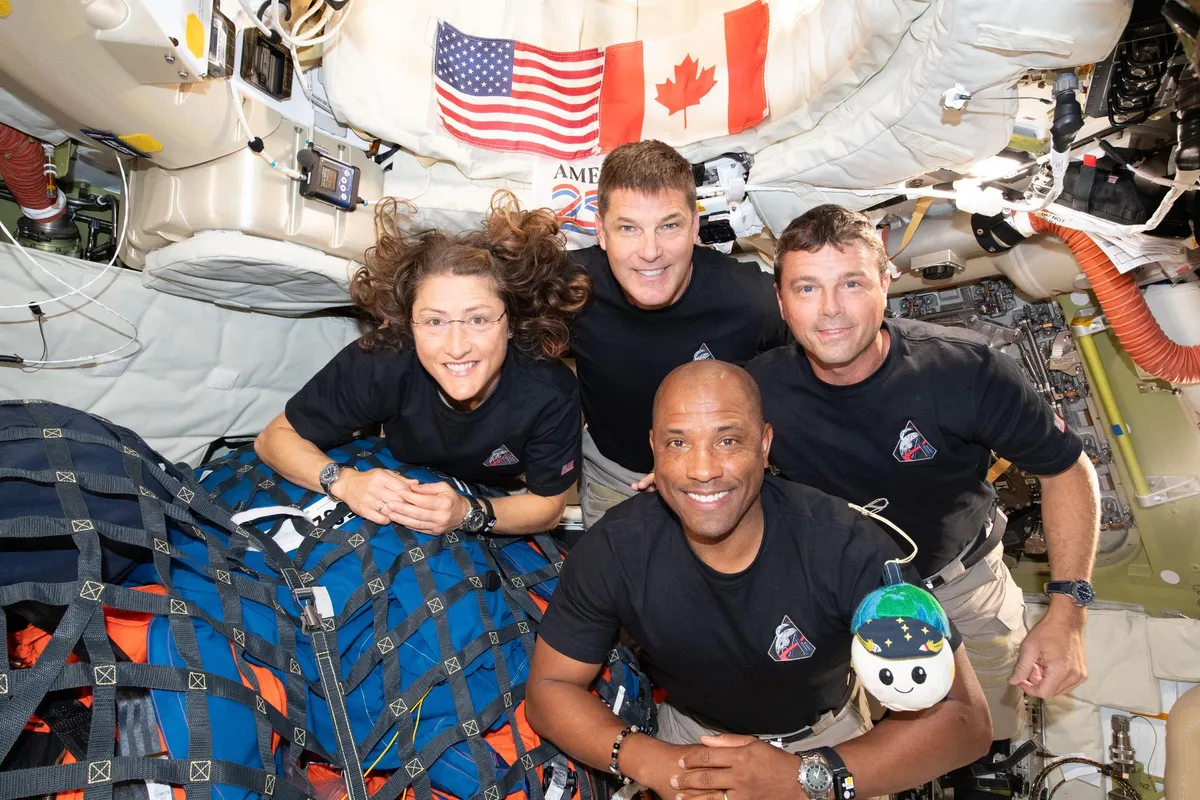
Remember Artemis II? That was the mission that sent four astronauts hurtling toward the Moon, taking humanity farther into deep space than we'd been since 1972. Think of it as the ultimate road trip, but instead of rest stops, you get cosmic radiation, intense isolation, and the knowledge that you're in a brand-new spacecraft, millions of miles from home.
We're a new kind of news feed.
Regular news is designed to drain you. We're a non-profit built to restore you. Every story we publish is scored for impact, progress, and hope.
Start Your News DetoxFor the first time in over five decades, actual human beings experienced the full, unadulterated effects of space travel beyond low Earth orbit. No more simulations. This was the real deal: the radiation, the confinement, the sheer, unblinking void. And with that, came a treasure trove of data on how the human body actually reacts to it all.
A Data Mystery Worth Solving
This isn't just any data; it's the kind you can't get from a lab on Earth. It's the precious, real-world information from those four brave souls, covering everything from their immune systems to their sleep cycles, all collected over an unprecedented deep-space journey.
But here's the kicker: Four people isn't a huge sample size. Yet, the sheer volume and variety of data collected from those four individuals is massive. It's like having a tiny, incredibly detailed universe of biological information, and figuring out how to make sense of it all is the puzzle.
That's where the NASA Artemis II Human Research Data Methodology Challenge comes in. They're looking for innovative ways to analyze this unique, complex data set. If you've got a knack for numbers, a passion for space, and a desire to help humanity get to Mars without any medical surprises, this might be your moment.
Submissions for the challenge opened on March 30, 2026, and close on June 5, 2026. So, if you've always wanted to contribute to space exploration without, you know, actually going to space, here's your chance to make a cosmic impact from the comfort of Earth. And maybe win some cash while you're at it. Because apparently, saving humanity can also pay the bills.