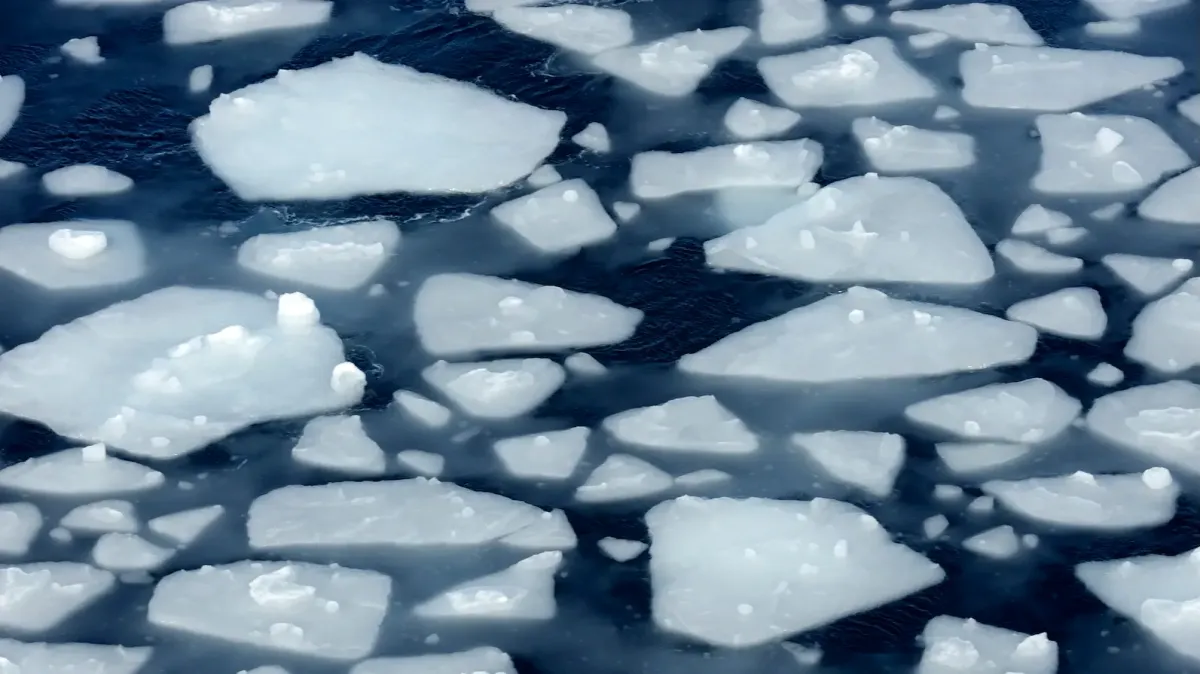
For decades, Antarctica's sea ice was a bit of an enigma. While the rest of the planet was warming up, this floating frozen expanse actually grew from the 1970s until about 2016. Then, like a magician's disappearing act, it suddenly shrank and has stubbornly refused to return. Losing it is a big deal, considering the continent's colossal ice sheet could raise sea levels by a cool 190 feet if it all went swimming.
Good news: scientists now think they've cracked the case. And the answer involves a surprising trio: salinity, shifting winds, and ocean currents, all revealed by a fleet of deep-diving robots. Earle Wilson, a polar oceanographer at Stanford, led the charge, stating the obvious (but crucial) point that the ocean is a major player in this whole ice saga.
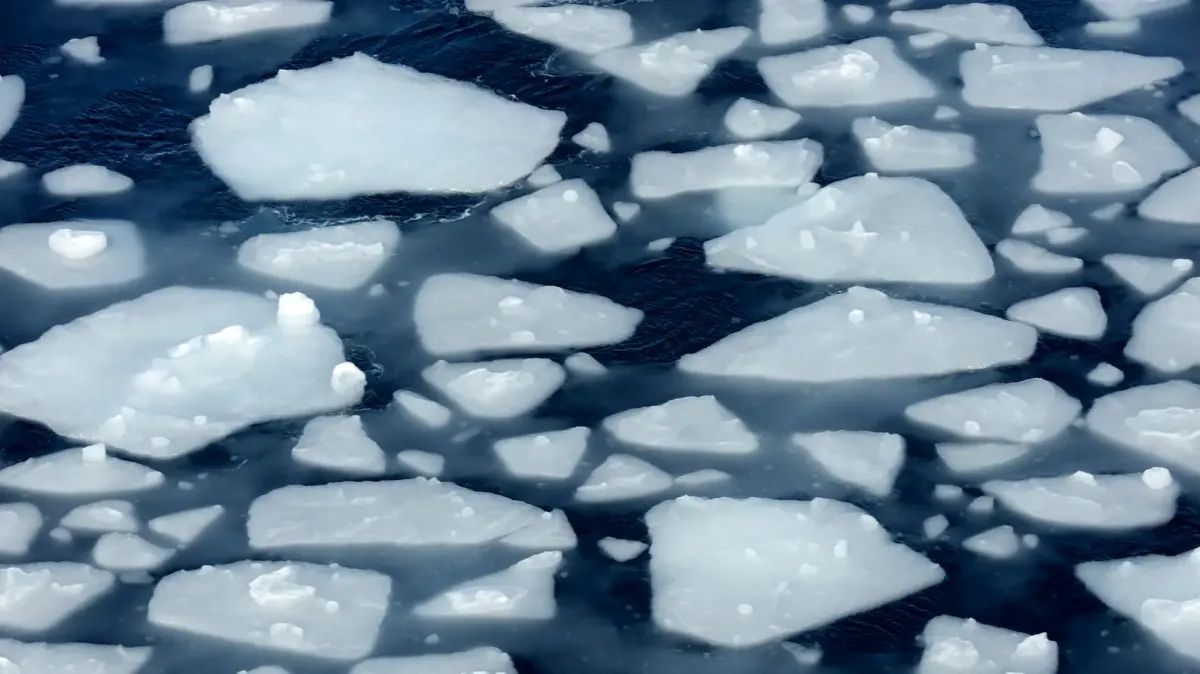
The Robot Detectives
The data came courtesy of something called Argo floats. Picture a torpedo-shaped robot, roughly human-sized, that spends its days plunging thousands of feet deep. It's basically a salty, cold-water spy, measuring things like temperature and, yes, saltiness. Then, it bobs to the surface, phones home to a satellite, and repeats the whole process. These silent, persistent machines collected years of passive data, showing exactly how conditions were changing down where the sun don't shine.
We're a new kind of news feed.
Regular news is designed to drain you. We're a non-profit built to restore you. Every story we publish is scored for impact, progress, and hope.
Start Your News DetoxAround Antarctica, the ocean's a bit backward. While the surface is chilled by the polar air, warmer water lurks deeper down. The Argo robots were perfectly positioned to detect these subtle shifts. When that warmer water stays put, away from the surface, more sea ice can form. And that's exactly what happened before 2016.
As the ice grew, more rain meant less salty surface waters. This created distinct layers: fresher, lighter water on top, and denser, saltier water below. This layering was like a blanket, trapping all that pent-up warmth in the ocean's deeper reaches.
When the Winds Shifted
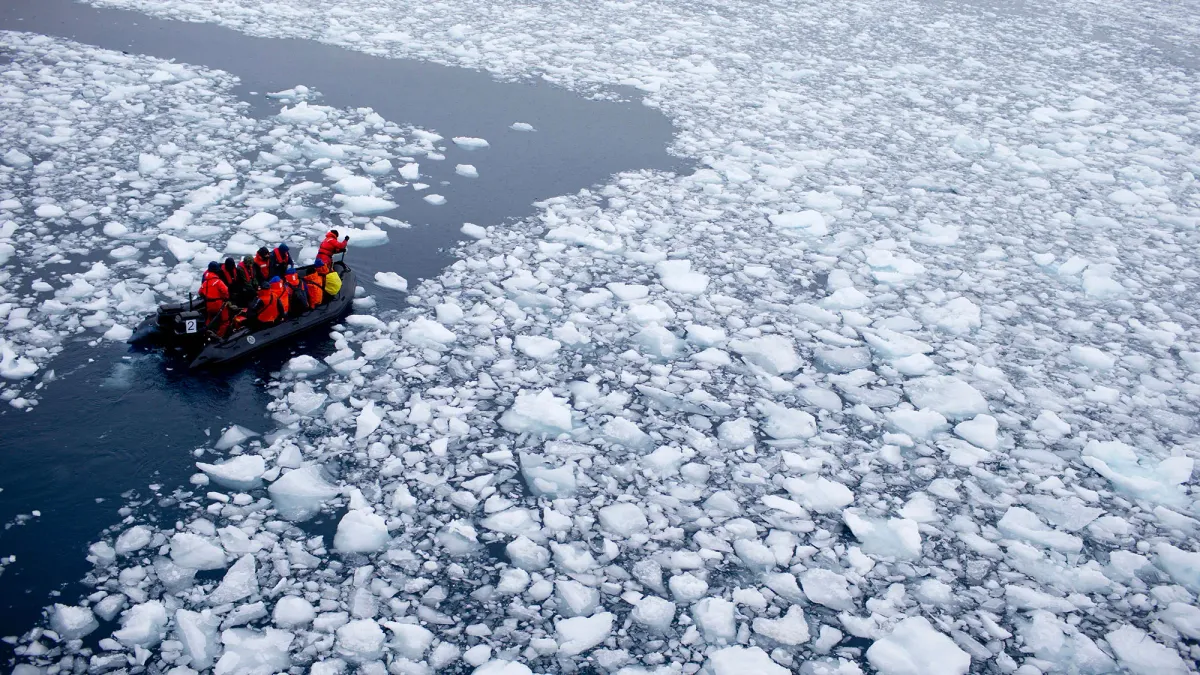
Then, the winds decided to throw a wrench in the works. They grew stronger, changed direction, and started pushing surface waters away from Antarctica. More importantly, they stirred up that deeper, warmer water. Wilson called it a "violent release" of stored heat, and just like that, the sea ice started its dramatic decline.
Climate change likely played a role in this wind shift. A warming planet can crank up atmospheric temperature differences, which, in turn, strengthens winds and messes with their patterns. Scientists are still trying to untangle how much of this is natural variability and how much is our own carbon footprint.
Around 2016, the system flipped. Strong winds brought the warm water to the surface, potentially breaking up existing ice by slamming blocks together and whipping up waves. Zachary Labe, a climate scientist not involved in the study, points to both atmospheric and oceanic warming as culprits, with that deeper ocean warmth being a significant factor.

The Ripple Effect
The vanishing sea ice isn't just a cosmetic change. It puts other, more critical ice at risk. Antarctica's massive, land-based ice sheet is propped up by coastal ice shelves. These shelves are already battling warming seas and underwater storms. Lose the surrounding sea ice, and they lose a crucial buffer – the floating ice absorbs wave energy, protecting its bigger, landlocked cousins.
Plus, healthy sea ice is like a giant, reflective mirror, bouncing sunlight back into space and keeping local temperatures down. If those ice shelves, which literally hold back the main ice sheet, disappear, then a truly enormous amount of frozen water could start melting much, much faster.
Scientists are scrambling for more data, with Labe emphasizing the urgent need for international support to build more observing networks in the Antarctic. The big question now is whether this current low-ice era is here to stay, or if atmospheric and ocean conditions will somehow reset. While the long-term trend over decades is likely negative, Wilson admits they don't know for sure. Which, if you think about it, is both impressive and slightly terrifying.