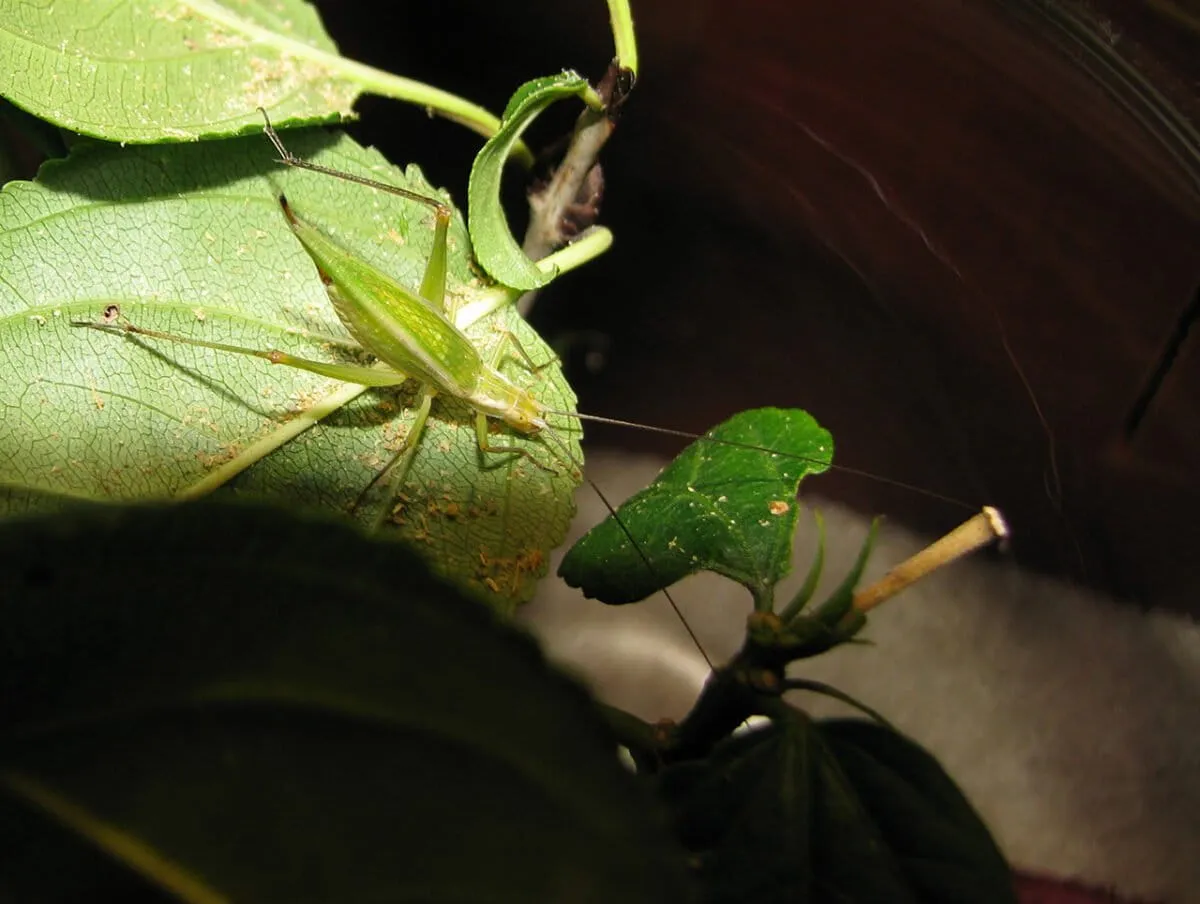
Most of us just hear crickets. Maybe a katydid. A general, summery chirp chirp that fades into the background. Thomas J. Walker, however, heard a symphony. An entire, intricate language spoken by the insect world, and he spent his 94 years on Earth meticulously translating it.
Walker, an entomologist whose career spanned over four decades, recently passed away on April 8, 2026. But his legacy? It's still echoing in the fields, a testament to a man who saw more than just noise in the rustling grass; he saw a complex communication system waiting to be deciphered.
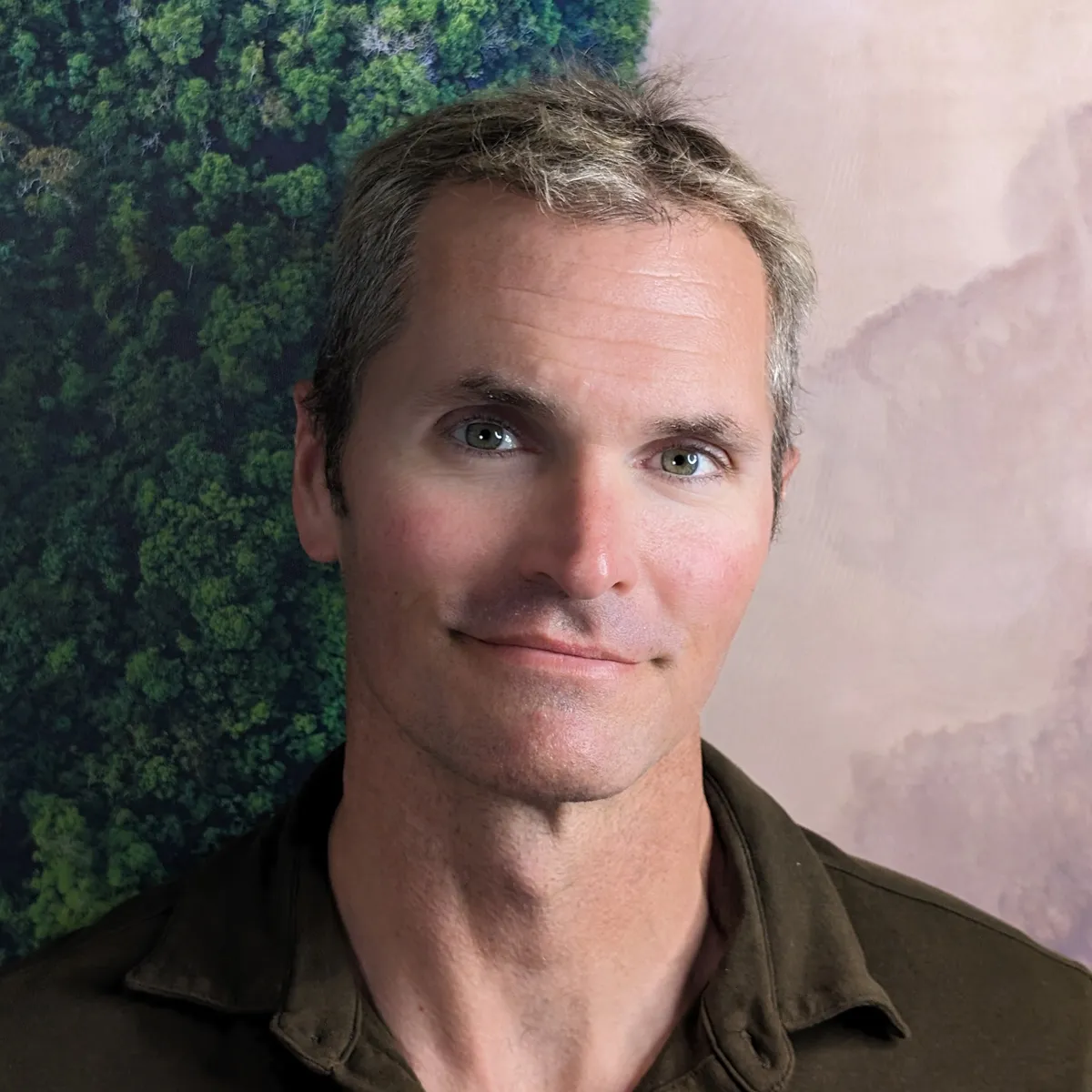
Born in 1931 in Dyersburg, Tennessee, Walker's early life on a Depression-era farm wasn't just about chores. It was an education in observation, a masterclass in noticing the subtle patterns and rhythms of the natural world. This innate curiosity eventually led him to formal studies, culminating in a doctorate in entomology from Ohio State University.
We're a new kind of news feed.
Regular news is designed to drain you. We're a non-profit built to restore you. Every story we publish is scored for impact, progress, and hope.
Start Your News DetoxThe Whisperer of the Weeds
In 1957, Walker began his long tenure at the University of Florida, where he would become a professor emeritus. His focus was always clear: the ecology, behavior, and classification of insects. But his true passion, the one that made him lean in closer than anyone else, was understanding the sounds these tiny creatures made. What did they mean? Who were they talking to? And, perhaps most importantly, what were they saying about their world?
He wasn't just a scientist; he was an interpreter, giving voice to the voiceless, revealing that the background hum of a summer night is, in fact, a vibrant, ongoing conversation. Which, if you think about it, makes every warm evening a little more interesting.