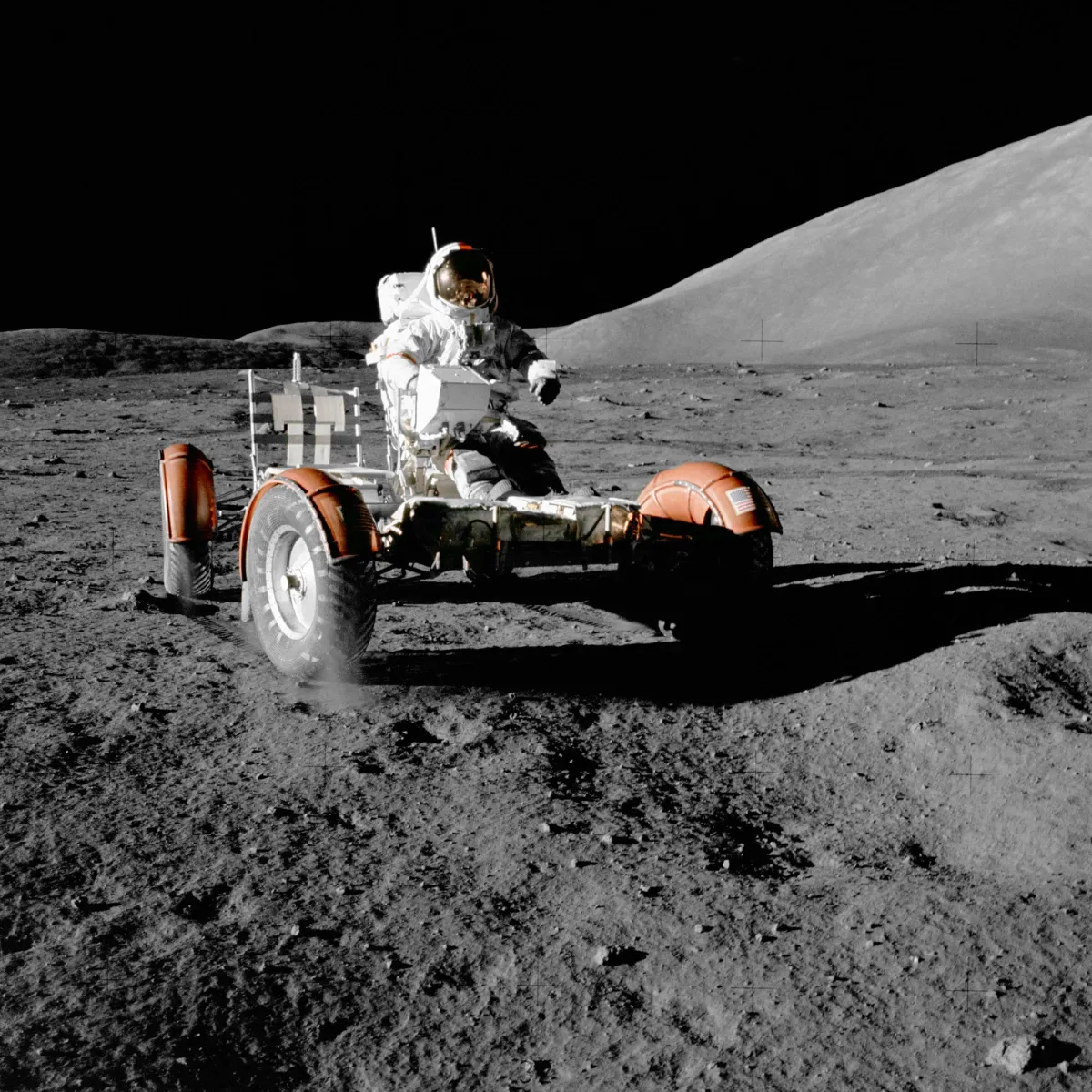
Intense solar activity can create beautiful auroras on Earth. But beyond our planet's magnetic field, the Sun can be dangerous. It releases powerful flares and huge bursts of charged particles.
These eruptions can cause solar proton events (SPEs). High-energy particles rush toward Earth at nearly the speed of light. For example, in 1972, several SPEs happened between the Apollo 16 and Apollo 17 missions.
If astronauts had been in space then, they could have faced deadly radiation. As humans plan to return to the Moon, understanding these unpredictable events is crucial.
We're a new kind of news feed.
Regular news is designed to drain you. We're a non-profit built to restore you. Every story we publish is scored for impact, progress, and hope.
Start Your News DetoxUncovering Past Solar Events
Researchers at the Okinawa Institute of Science and Technology (OIST) found a new way to detect past SPEs. They used medieval records to guide precise carbon-14 analysis of old asunaro trees in northern Japan.
This method helped them identify an SPE that occurred between the winter of 1200 and the spring of 1201 CE. This was a time of very active solar behavior. Their findings were published in the Proceedings of the Japan Academy, Series B.
Professor Hiroko Miyahara from OIST's Solar-Terrestrial Environment and Climate Unit explained their work. She noted that earlier studies focused on rare, extremely powerful events. This new paper helps detect "sub-extreme SPEs." These events are 10-30% as strong as the biggest ones, but they are still dangerous and happen more often.
Sub-extreme SPEs are harder to find. But this new method makes it easier to identify them. This helps scientists understand when they are more likely to happen.
Most high-energy protons from SPEs are blocked by Earth's magnetic field. But near the poles, or during very strong events, some particles can get through the atmosphere. When they hit atmospheric gases, they create carbon-14. This carbon-14 then spreads and becomes part of living things.
Scientists can track past solar activity by measuring carbon-14 in preserved organic material, like old trees. This method can show changes over the last 10,000 years. New, precise techniques developed over a decade can now spot smaller changes. This makes it possible to find sub-extreme SPEs.
Combining History and Science
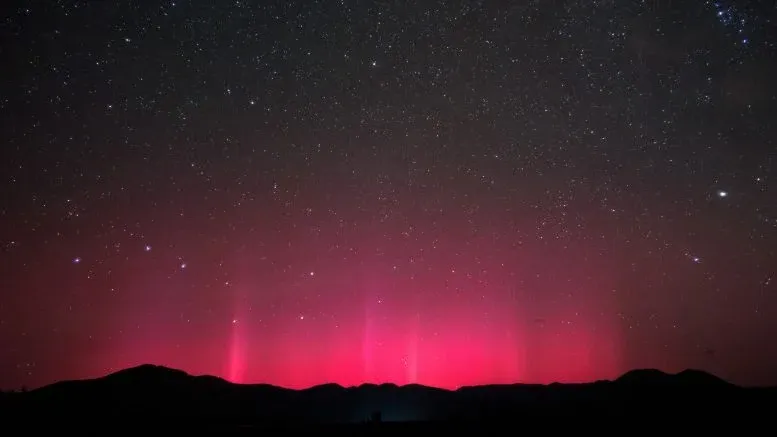
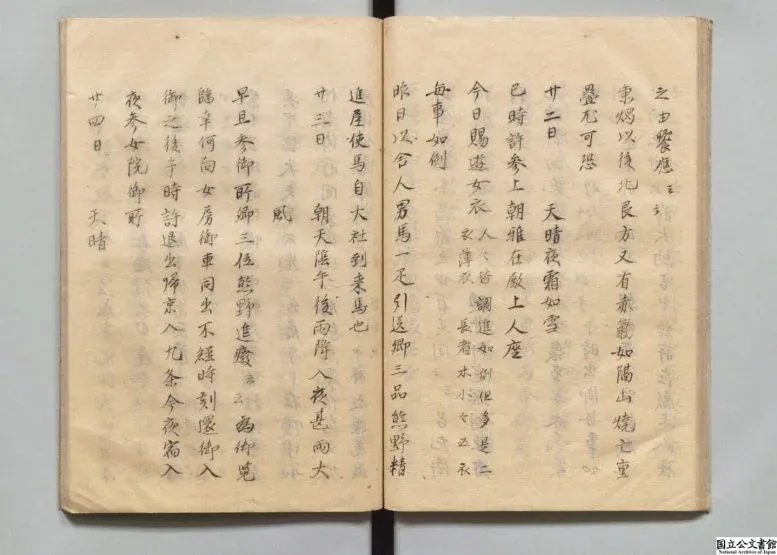
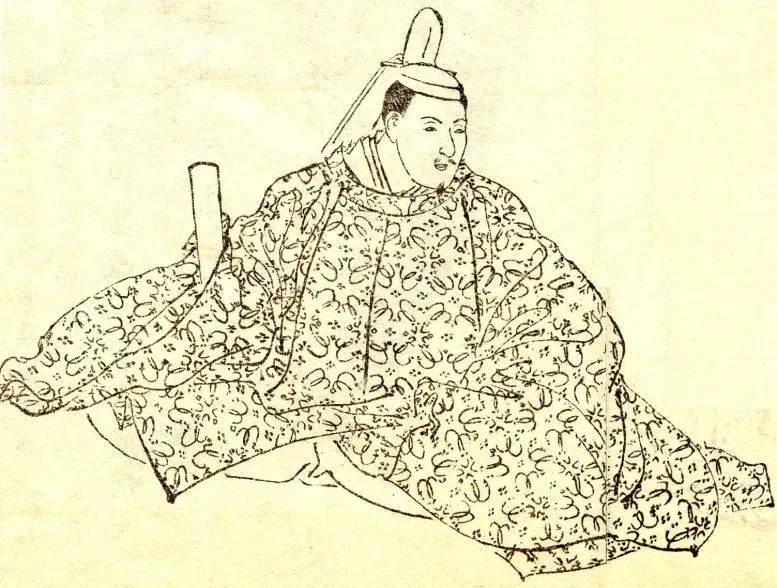
The high-precision method takes a lot of time and effort. So, the team needed clues about when to look. They found one in Meigetsuki, the diary of Japanese courtier and poet Fujiwara no Teika (1162–1241). He wrote about seeing "red lights in the northern sky over Kyoto" in February 1204 CE.
SPEs don't directly cause auroras, but they often happen during other solar activity that does. This helped the researchers narrow their search. They analyzed carbon-14 levels in asunaro wood from Aomori Prefecture. They found spikes that pointed to a sub-extreme SPE.
Using dendroclimatology, which compares tree ring growth patterns linked to climate, the team dated the event. It happened between the winter of 1200 and the spring of 1201 CE. This matches reports from China about a rare red aurora seen at a low latitude.
Reconstructing Solar Cycles
Miyahara noted that the precise data helped them accurately date the sub-extreme SPEs. It also allowed them to reconstruct the solar cycles of that period. Today, the Sun's activity changes over eleven-year cycles. But back then, the cycle was only seven to eight years long, meaning the Sun was very active. The SPE they dated happened at the peak of one of these cycles.
These findings help fill gaps in the history of solar activity. They also improve our understanding of dangerous space weather. Miyahara stressed that carbon-14 analysis alone is not enough.
Historical writings give a possible time window. Dendroclimatology allows direct comparison between detected SPEs and reports of sunspots and auroras. Miyahara concluded that these combined approaches are needed to accurately reconstruct past solar activity. This helps us better understand extreme space weather.
For example, the SPE they found happened near the peak of the solar cycle. But some long-lasting low-latitude auroras in historical records seem to be near the minimum of their reconstructed solar cycle. This was unexpected, and the team is eager to investigate what solar conditions could cause this.
Deep Dive & References: Extremely active Sun from 1190 to 1220 in the Medieval Period: Intercomparison of historical records and tree-ring carbon-14 - Proceedings of the Japan Academy Series B, 2026