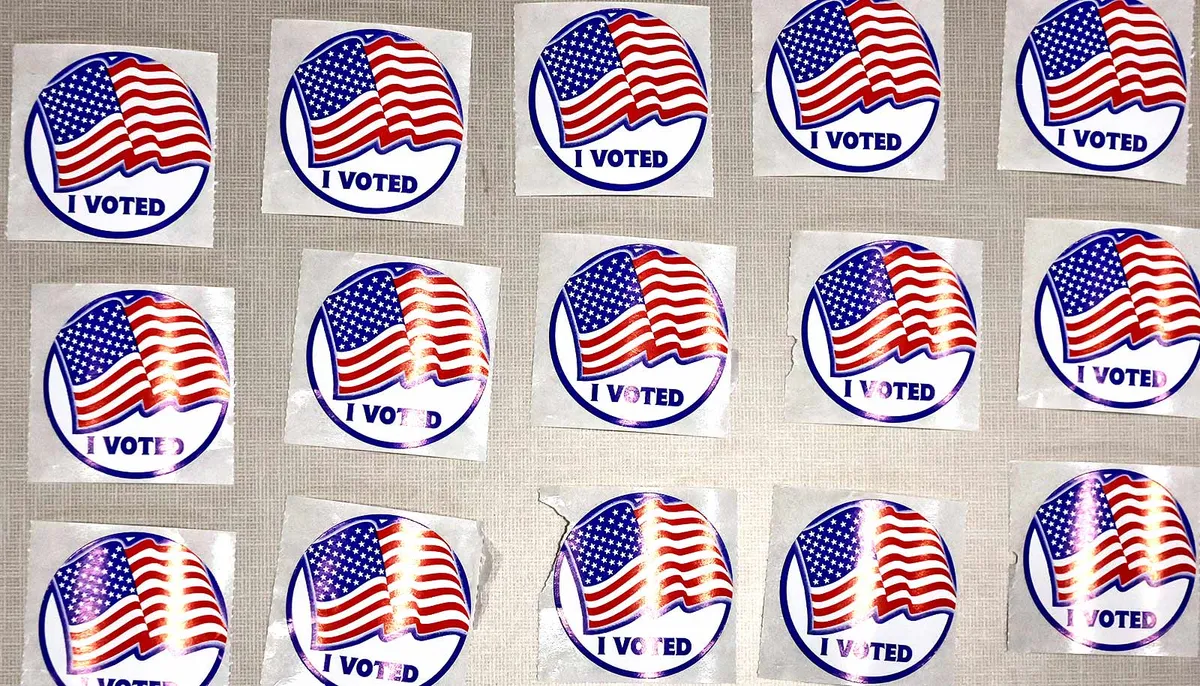
For decades, political scientists have scratched their heads over a curious phenomenon: after an election, the winners tend to feel much cozier with democracy than the losers. This "winner-loser gap" seemed to suggest that our feelings about the entire system were tied to the sheer joy of victory or the bitter sting of defeat.
But what if it's not about the feels? What if it's about the policies? New research suggests your satisfaction with democracy has less to do with emotional speeches and more to do with whether governments actually keep their promises.
Your Mood vs. Your Mandate
To untangle the knot of emotions and policy expectations, researchers got creative. They looked for highly emotional wins and losses that didn't have political stakes attached. Their first stop? The 2022 Super Bowl.
We're a new kind of news feed.
Regular news is designed to drain you. We're a non-profit built to restore you. Every story we publish is scored for impact, progress, and hope.
Start Your News DetoxThey surveyed fans in Cincinnati and Los Angeles before and after the big game. Unsurprisingly, winning fans were ecstatic, losing fans, well, weren't. But here's the kicker: those intense emotional swings didn't budge anyone's satisfaction with democracy. "That was the first big signal," said lead author Shane P. Singh. "We were clearly seeing changes in emotions, but those shifts weren’t translating into changes in how people felt about democracy.”
They repeated the experiment with the 2022 World Cup final between Argentina and France. Same story. Emotions went wild, democratic satisfaction stayed put. Then, just to be absolutely sure, they showed people happy clips (Hakuna Matata!) or sad clips (Mufasa's death, if you can bear it) from The Lion King. Moods shifted dramatically, but attitudes toward democracy remained stubbornly unmoved.
It seems your feelings about Mufasa's tragic end have no bearing on your faith in the democratic process. Which, if you think about it, is probably a good thing.
So, what does matter? The study found that if you want to build lasting support for democracy, especially among those who didn't vote for the winning side, you need to "turn down the temperature and focus on policy." Governments that deliver on their promises, and whose policies reflect the interests of a broad base of citizens (even the "losers"), foster stronger democratic confidence.
Trying to whip up strong emotions or demonize opponents? That just makes everyone more unhappy. Because apparently, democracy isn't a popularity contest; it's a policy delivery service. And if that's not a reason to take a longer view, remembering that "democracy is cyclical," and there's always another chance, what is?