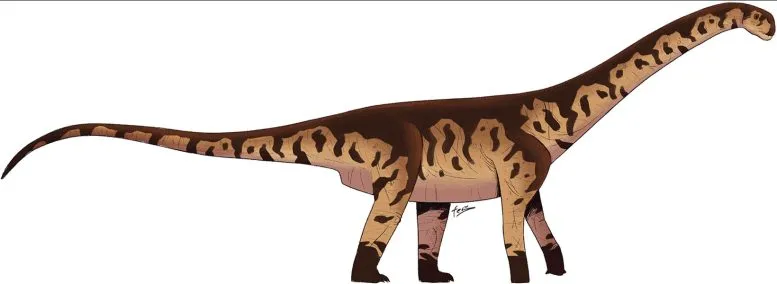
Bicharracosaurus dionidei, a new sauropod found in Argentina, shows features from both brachiosaurid and diplodocid dinosaurs. This discovery helps us understand how dinosaurs evolved in the Southern Hemisphere.
Sauropods are long-necked dinosaurs that many people imagine when they think of these ancient creatures. They had huge bodies, long necks and tails, and small heads. Some grew up to 131 feet long, like Diplodocus and Brachiosaurus.
The newly found Bicharracosaurus dionidei from southern Argentina was smaller, about 66 feet long.
We're a new kind of news feed.
Regular news is designed to drain you. We're a non-profit built to restore you. Every story we publish is scored for impact, progress, and hope.
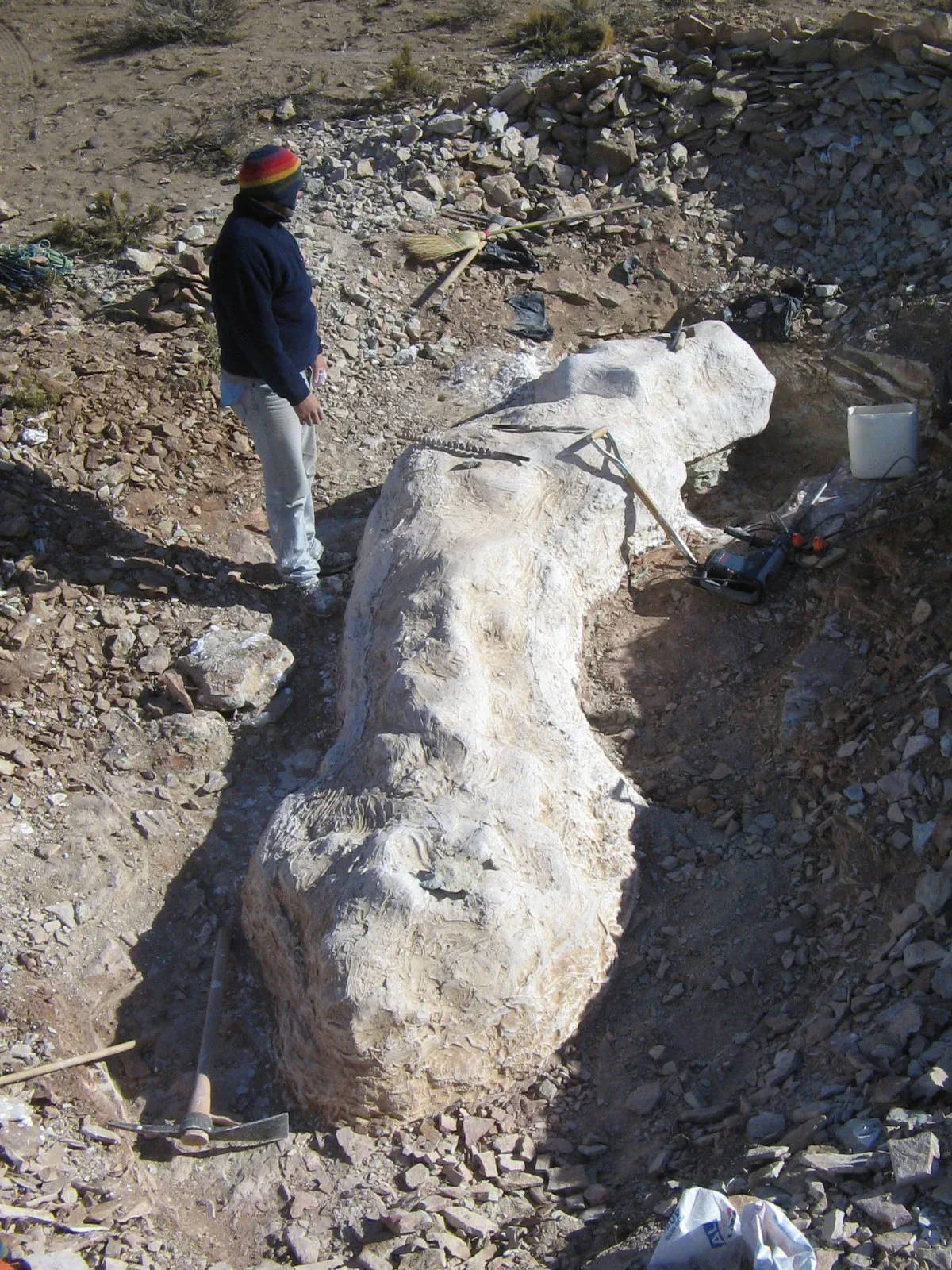
Start Your News DetoxScientists found over 30 vertebrae from its neck, back, and tail, along with ribs and part of its pelvis. The bones show it was an adult that lived about 155 million years ago on Gondwana.
This fossil is special because it has traits from different sauropod groups. Some bones look like those of Giraffatitan, a brachiosaurid from Tanzania. Other bones, especially in the back, are more like Diplodocus and its relatives from North America.
New Clues from the Southern Hemisphere
Alexandra Reutter, the study's lead author and an LMU doctoral student, explained that their analysis suggests Bicharracosaurus dionidei was related to Brachiosauridae. This would make it the first brachiosaurid found from the Jurassic period in South America.
She noted that most of what we know about Late Jurassic sauropods comes from fossils in North America and other Northern Hemisphere sites. For a long time, Tanzania was the only major site in the southern continents.
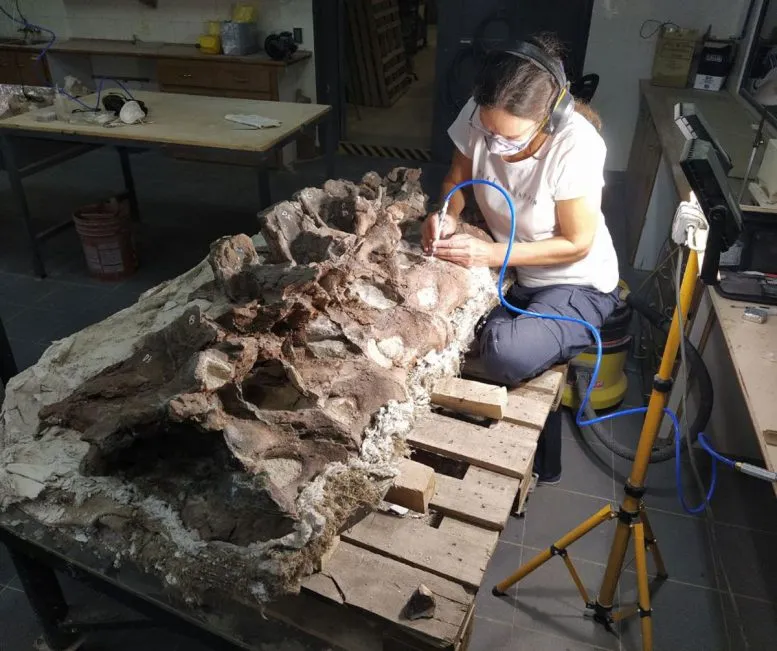
Professor Oliver Rauhut, a dinosaur expert from the Bavarian State Collections of Natural History (SNSB) and leader of the study, said the fossil site in Argentina's Chubut province offers important comparison material. This helps scientists continually update their understanding of sauropod evolution, especially in the Southern Hemisphere.
Shepherd Dionide Mesa first found the fossils of Bicharracosaurus dionidei on his farm. The species was named in his honor. The genus name "bicharraco" is a Spanish word for "big animal." The remains were found in the Cañadón Calcáreo formation in Patagonia and are now at the Museo Paleontológico Egidio Feruglio in Argentina.