Back in 1969, a truly impressive amount of crude oil — over three million gallons — decided to take an unscheduled tour of Santa Barbara, California's coastline. Beaches were ruined, marine life checked out, and the U.S. got its biggest oil spill ever. Which, if you think about it, is both a terrible achievement and a powerful catalyst.
That watery disaster, combined with growing worries about pesticides and pollution, basically lit a fire under the nascent environmental movement. It also helped kick off the very first Earth Day. On April 22, 1970, a cool 20 million people decided they'd had enough and protested. Their belief that collective action could actually, you know, act led to the creation of the U.S. Environmental Protection Agency and new Clean Air and Clean Water laws within a few short years. Because sometimes, just sometimes, people power works.
Fast forward to today: Earth Day is observed in over 190 countries, with about one billion people showing their support for the planet. That's a lot of people. But it turns out, caring about Earth is a different beast than actually carrying the burden of protecting it.
We're a new kind of news feed.
Regular news is designed to drain you. We're a non-profit built to restore you. Every story we publish is scored for impact, progress, and hope.
Start Your News DetoxThe Relentless Few
That burden often falls squarely on communities directly experiencing the delightful impacts of industrial pollution and environmental damage. These activists dedicate their lives to protecting the planet, facing constant effort, risks, and sometimes even violence. It's not exactly a hobby.
Yet, despite literally everything, they notch victories. Just this week, the Goldman Environmental Prize — basically the Nobel for eco-warriors — honored six grassroots activists. For the first time in its 37-year history, all six winners were women. They've won significant battles for their communities and ecosystems, from climate rulings in South Korea and the UK to stopping mining projects in Colombia and the U.S., and protecting ecosystems in Papua New Guinea and Nigeria. Let that sink in.
But these achievements are just the visible tip of an enormous, often unseen iceberg. Thousands of other activists are doing similar work, most of whom will never win awards or be known beyond their immediate communities. Some, tragically, even die for their cause. Between 2012 and 2024, at least 2,253 environmental defenders were killed or disappeared, according to Global Witness. That's roughly three people every single week.
Effective environmental activism is rarely a Hollywood movie. It's slow, difficult, and requires a level of persistence that would make a saint tired. We're talking years of community meetings, endless conversations with fearful people, losing in court and then building stronger cases, forming and rebuilding coalitions — all without a guarantee of success. It's a grind.
Many activists grapple with pain, exhaustion, and the creeping self-doubt that sets in after years of effort. Grief deepens as they watch beloved natural places vanish faster than they can protect them. This suffering is part of the work, which makes the victories, when they finally arrive, feel profoundly meaningful.
The Long Game
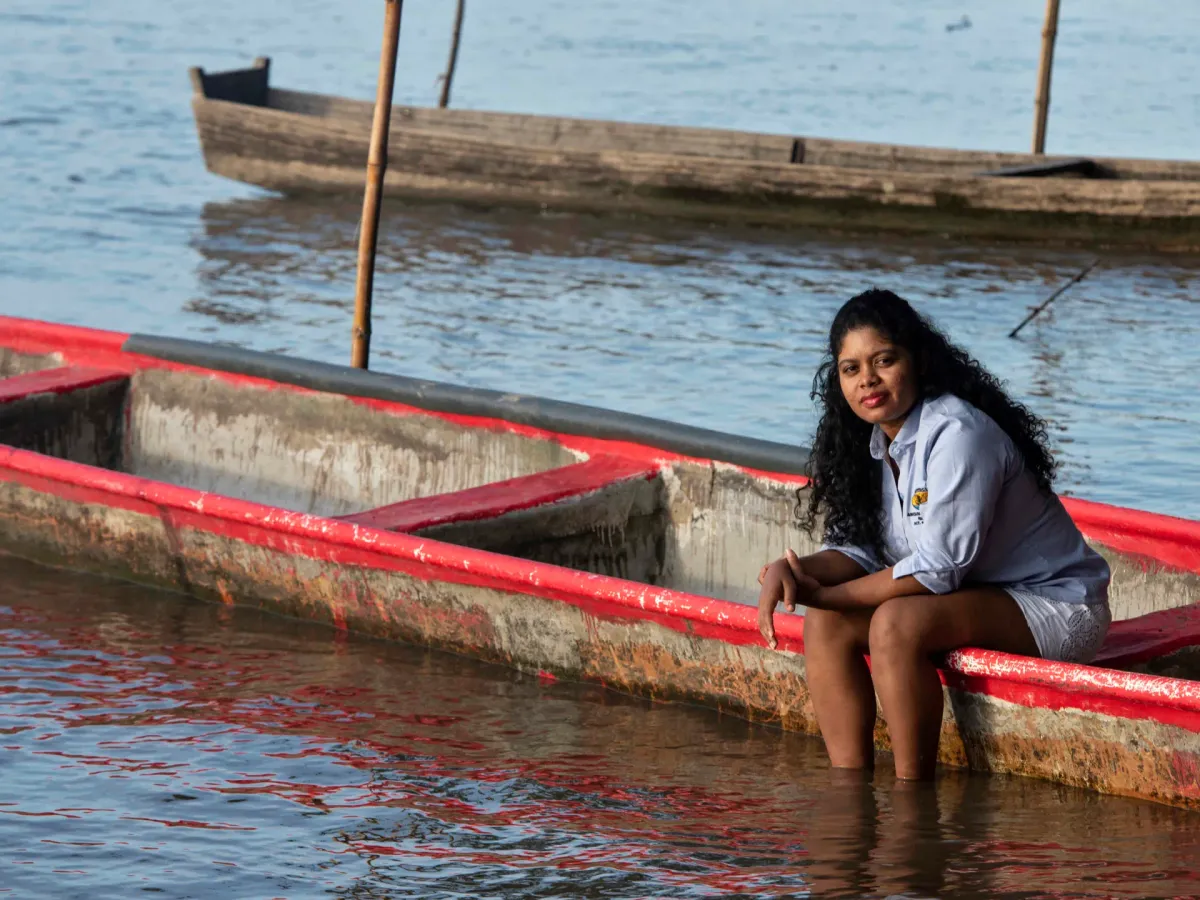
Consider Yuvelis Morales Blanco, one of this year's Goldman winners. She grew up in Puerto Wilches, Colombia — a country with a heartbreakingly high number of killed environmental defenders. The Magdalena River is everything to her Afro-Colombian community. Her activism ignited in 2018 after an oil spill polluted the river, killing animals and displacing families. Because, of course, it did.
When the state oil company decided to propose fracking projects near her home, Yuvelis became a key voice against them. She faced harassment and intimidation. After armed men showed up at her home (because apparently that's where we are now), she fled to France, received asylum, and continued her campaign from there. The projects were suspended in 2022. Two years later, Colombia's Constitutional Court ruled that the projects had violated her community's right to free, prior, and informed consent. So much for that fracking plan.
Yuvelis has since returned home and continues to fight for a complete ban on fracking in Colombia and for legal protection for activists like herself. At 24, she's already been an activist for eight years. Her story is remarkable, yet it's also a testament to the stubborn persistence shared by countless activists worldwide.
In South Korea, Borim Kim founded Youth 4 Climate Action after a 2018 heatwave killed 48 people. That's a wake-up call if ever there was one. She started with climate strikes, then organized 19 young people to file Asia's first youth-led constitutional climate case. In 2024, South Korea's Constitutional Court unanimously ruled that the government's climate targets were unconstitutional, mandating legally binding emissions reductions until 2049. First of its kind in Asia. Not bad for a bunch of kids.
These lasting environmental victories are rarely won by individuals. They're built by people who support communities, maintain relationships, and keep enough pressure on until systems are forced to change. And, no surprise, this work often falls to women, especially in the Global South, where they're underrepresented in formal decision-making but often lead the charge locally.
Earth Day started with a belief in collective effort. That work continues year-round, often by people whose names we'll never know, in places many of us will never see. We don't all have to do what they do. But we definitely can't leave it entirely to them. These stories inspire a simple question: What will we keep showing up for, long after today is over?