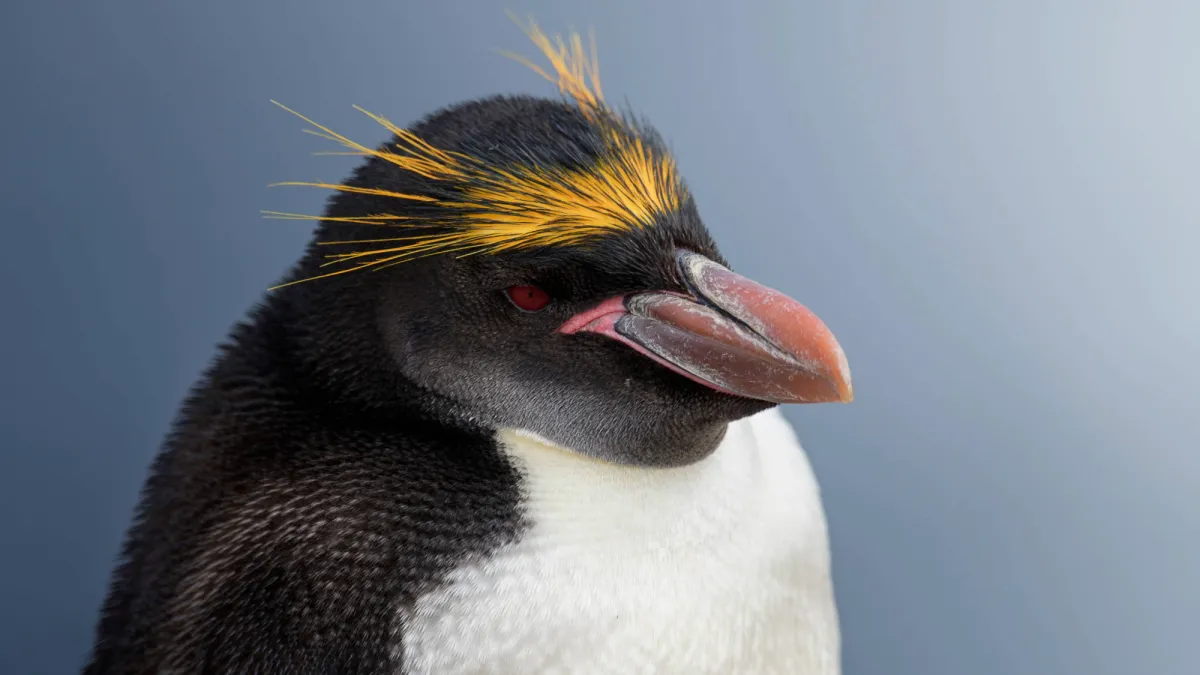
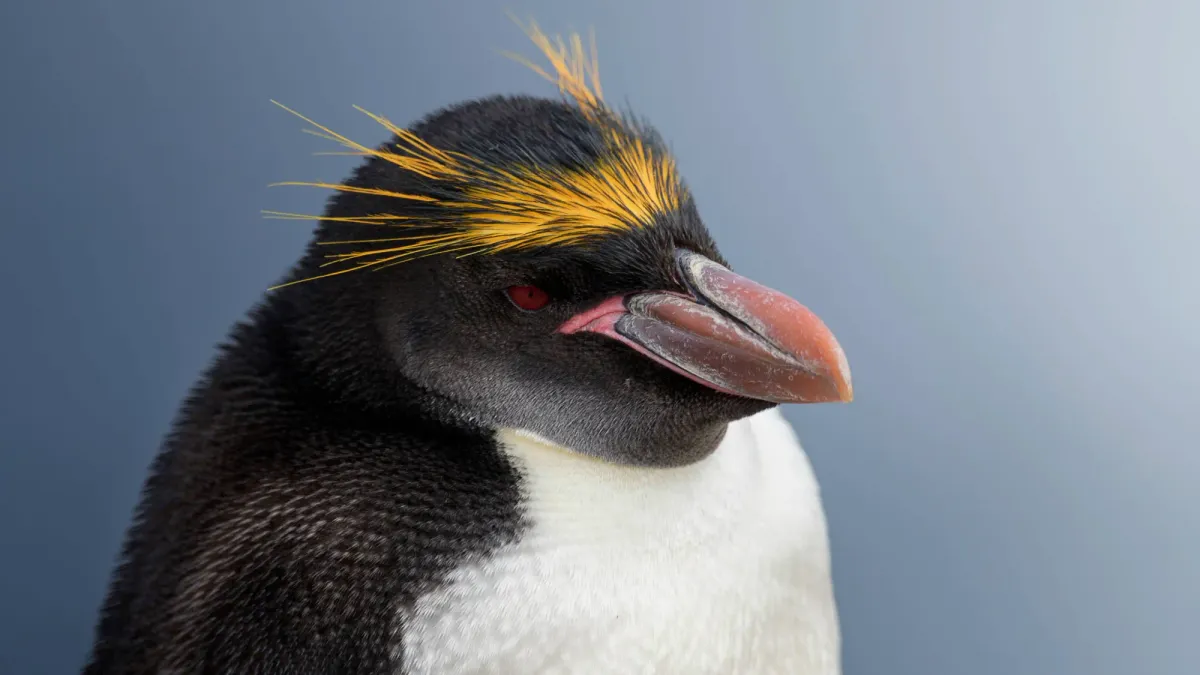
Macaroni penguins, with their questionable yellow eyebrows and a waddle that suggests they've had a few too many krill cocktails, have been hiding a secret: they are absolutely ripped. Seriously. These South Atlantic residents, often dismissed as the clowns of the avian world, are packing some surprisingly powerful muscles, according to a new study that basically confirms what we've all suspected: looks can be deceiving.
The research in The Anatomical Record found that these small, feathery powerhouses are engineered for maximum efficiency, whether they're awkwardly shuffling across an icy landscape or torpedoing through the ocean. Because, as it turns out, while they might not fly in the air, they certainly know how to fly underwater.
Built for the Deep End
Forget your average pigeon; penguin wings are built for a different kind of lift. Their supracoracoideus muscle—the one responsible for hoisting a wing—is comically oversized compared to its airborne counterparts. This isn't for showing off at the beach; it's for generating the kind of serious power needed to propel themselves through water, which is over 700 times denser than air. Imagine trying to run through a pool of molasses, and you start to get the picture.
We're a new kind of news feed.
Regular news is designed to drain you. We're a non-profit built to restore you. Every story we publish is scored for impact, progress, and hope.
Start Your News DetoxTheir shoulder setup also gives them an underwater stroke that's less flutter, more forceful backward push. It's like having a built-in jet engine, just without the actual jet.
The Waddle's Secret Weapon
The study also cleared up a century-old mystery involving a unique muscle in their back leg. This previously unappreciated muscle helps keep their legs tucked in tight, creating a more streamlined body for cutting through the water. The research team, clearly having a bit of fun, suggested naming it the adductor tibialis.

This leg-tucking trick isn't just for swimming; it also helps them maintain that surprisingly stable, if still undeniably goofy, two-legged stance on land. And that famous waddle? It's not just a fashion statement. It's an energy-efficient gait that, while looking like they're constantly about to tip over, is actually their best bet for moving both on land and in their watery domain.
So, the next time you see a macaroni penguin, remember: beneath that charmingly disheveled exterior lies a finely tuned athletic machine. Which, if you think about it, is both impressive and slightly terrifying. You just never know what those yellow-crested rascals are truly capable of.