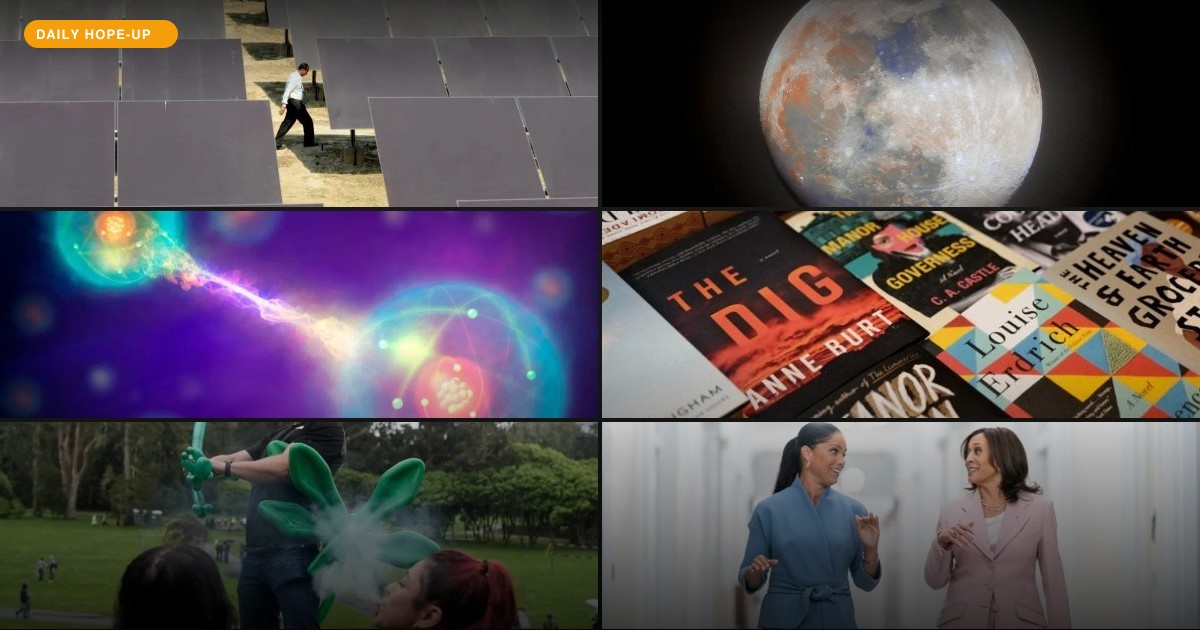
Today, we saw a delightful scattering of discoveries and shifts, from the cosmic to the hyper-local. It seems the universe, much like our own backyards, is full of surprises if you only bother to look.
The Unseen Spaces Are Blooming
Who knew that the very cracks in our urban facades could be a canvas for nature's quiet rebellion? Scientists have found that cities are becoming an unlikely refuge for wildflowers. The stressful, fragmented environments that make cities challenging for us actually limit competition for wildflowers, allowing them to thrive in abandoned lots and cracked sidewalks. It's a testament to nature's relentless ingenuity, a subtle greening of the concrete jungle.
This isn't just about pretty flowers; it's about unexpected resilience. If you've ever dismissed urban spaces as devoid of nature, this week offers a gentle correction.
We're a new kind of news feed.
Regular news is designed to drain you. We're a non-profit built to restore you. Every story we publish is scored for impact, progress, and hope.
Start Your News DetoxScience's Long Game: From Orbit to Our Pets
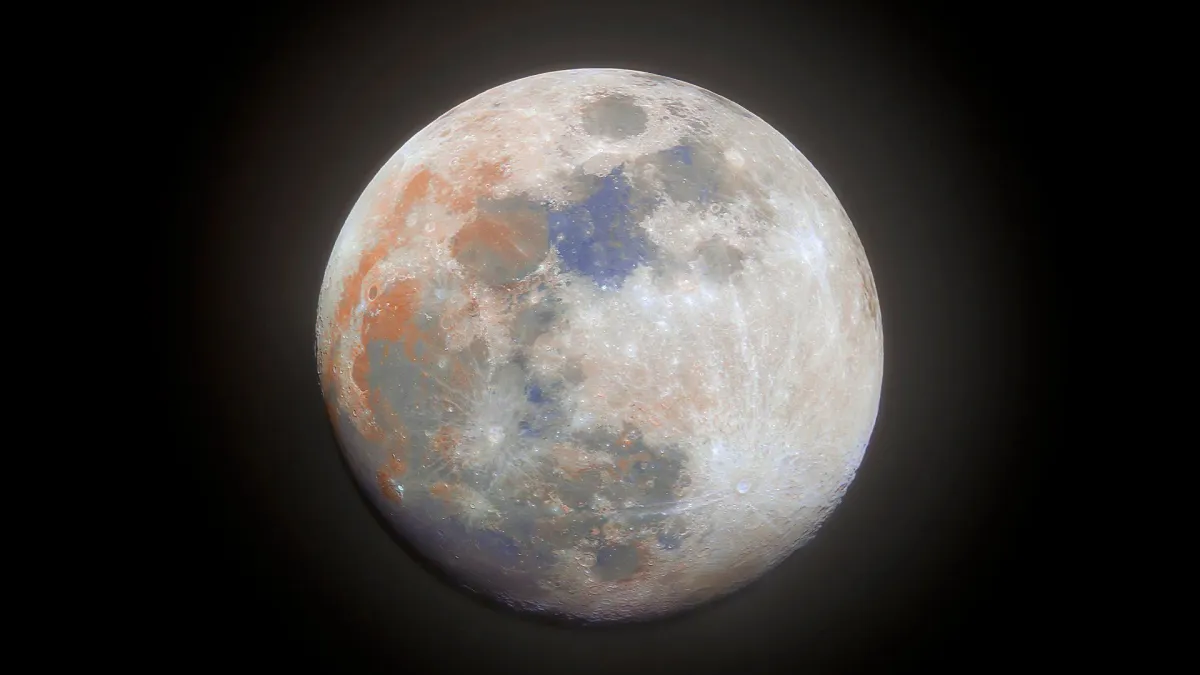
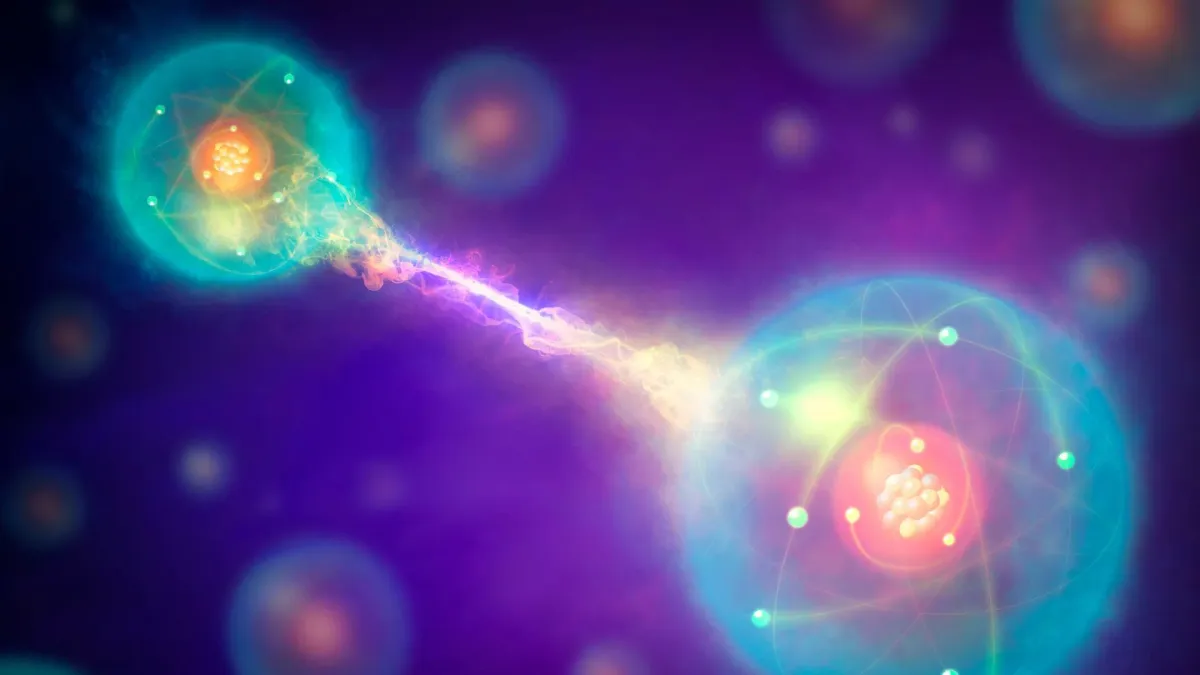
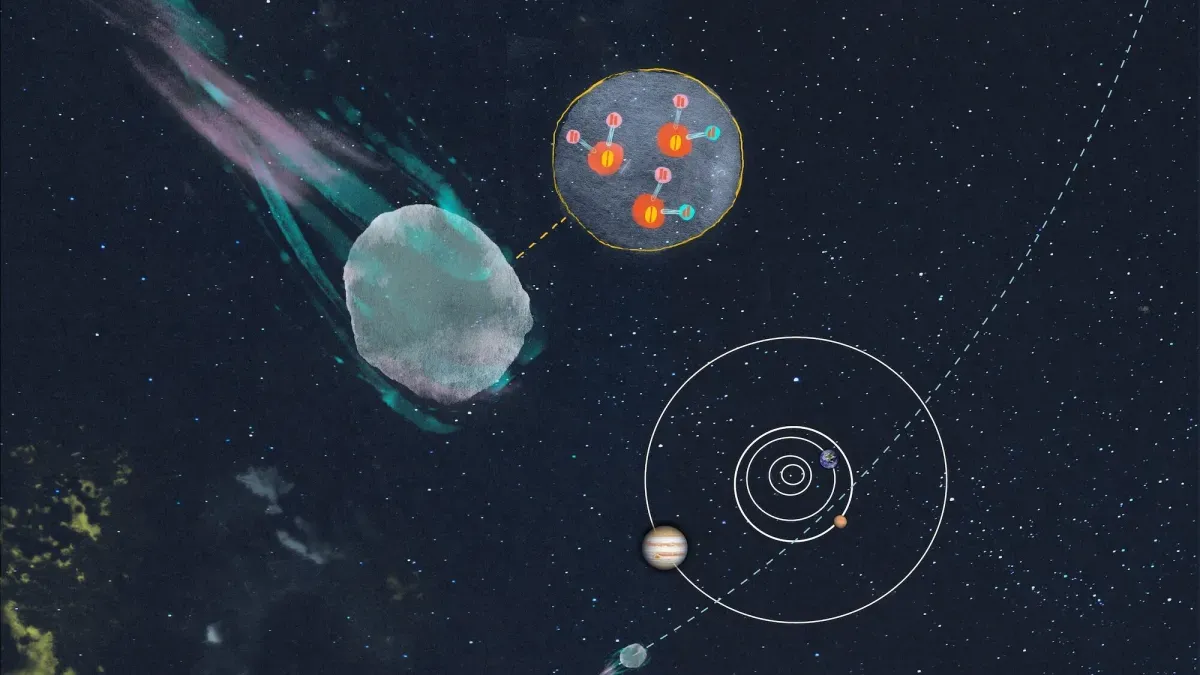
While wildflowers were making a quiet comeback on Earth, humanity was busy poking around the cosmos and refining our understanding of, well, everything. China's scientists just discovered the Moon's 11th new mineral, a glowing Cerium-Magnesium Changesite. This kind of deep-space detective work continually expands our understanding of the universe, one fluorescent rock at a time. Meanwhile, closer to home, MIT researchers are proving that sometimes, the future is built on re-examining the past. They've used old physics to crack quantum weirdness, showing that classical mathematical ideas can describe quantum behavior previously thought to be 'spooky.'
Then there's the truly heartwarming news for our furry, flat-faced friends: after 15 years of dedicated research, a team from Australia and Snoretox have developed a new injection that could help flat-faced dogs breathe easier. This isn't just a comfort for pugs and Frenchies; it's a reminder that sustained scientific effort, whether cosmic or canine, eventually pays off. If you’ve been wondering if research still matters, this week delivered several compelling answers.
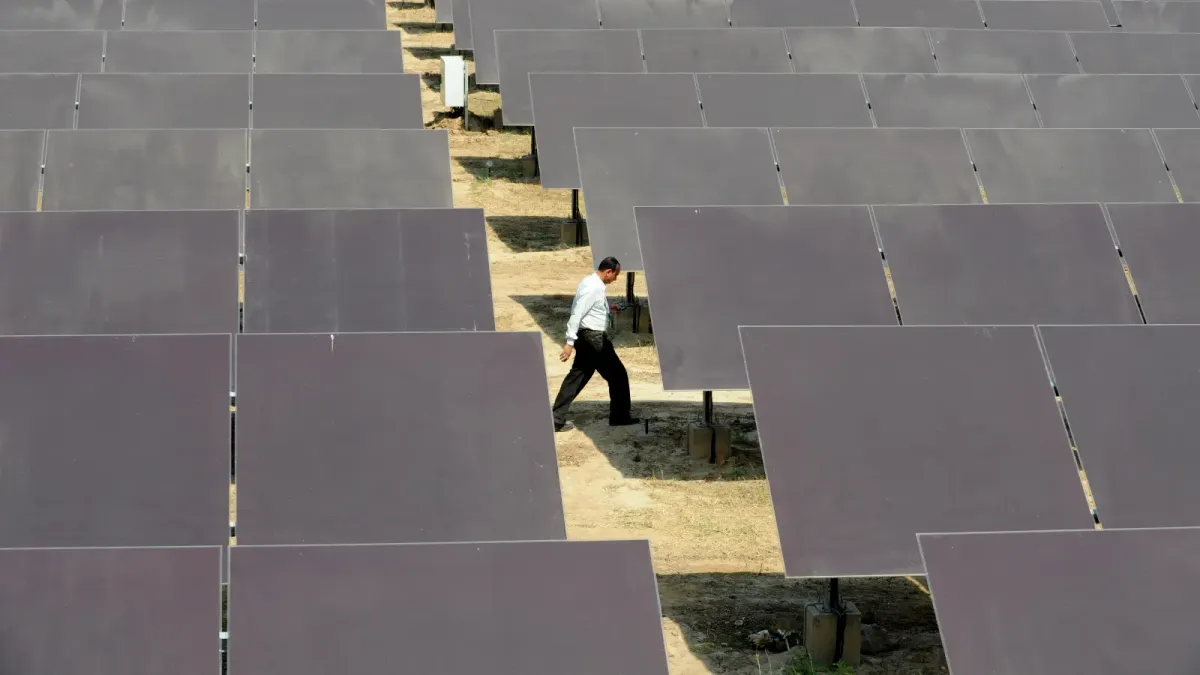
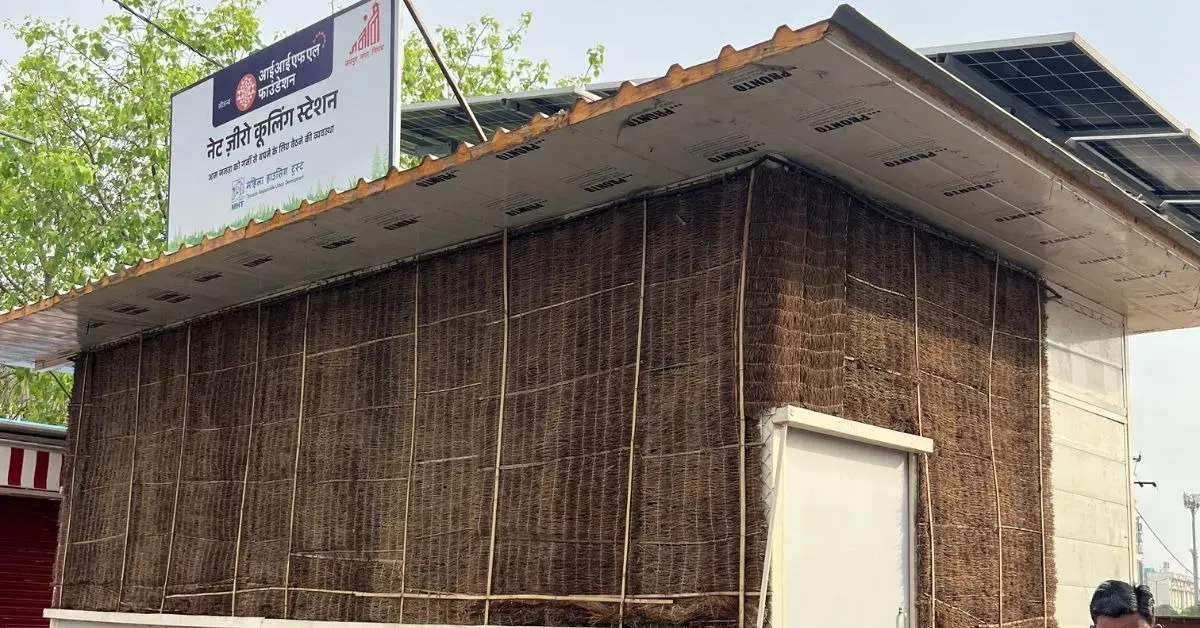
"At 40°C outside, stepping into this space in Jaipur feels instantly different — nearly 5 to 6 degrees cooler. There is no air conditioning. No conventional cooling system." — Read the full story
Small Shifts, Big Impacts
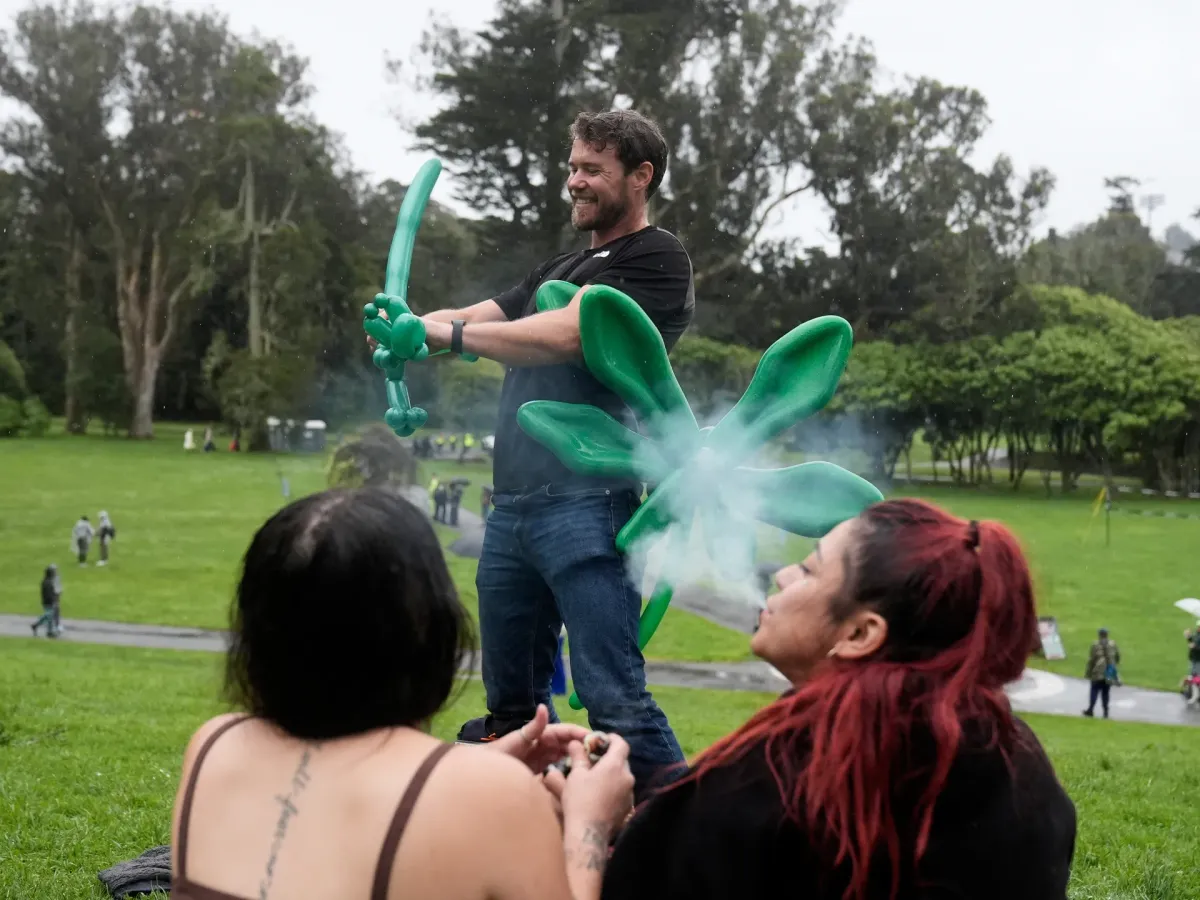
Sometimes, the most significant changes aren't grand pronouncements but subtle reclassifications and community efforts. The US just downgraded some weed, reclassifying state-licensed medical marijuana as a less dangerous drug. This quiet shift reflects a broader societal evolution away from heavy penalization. Similarly, in Singapore, citizen scientists are making a tangible difference for the elusive leaf-eating langurs. Lay Hoon and her fellow volunteers have spent eight years observing and advocating, helping to give Singapore's rarest monkey a canopy lifeline by connecting fragmented habitats. These aren't headline-grabbing revolutions, but rather the steady, persistent work of people and policies nudging the world toward something better.
If you've felt that individual actions or bureaucratic tweaks don't matter, this week showed how they can create ripples of positive change.
Hope stat: 11 — new minerals discovered on the Moon, a testament to persistent exploration. Watch this space: The global energy market continues to recalibrate as the 'Age of Electricity' gains an unexpected accelerant.