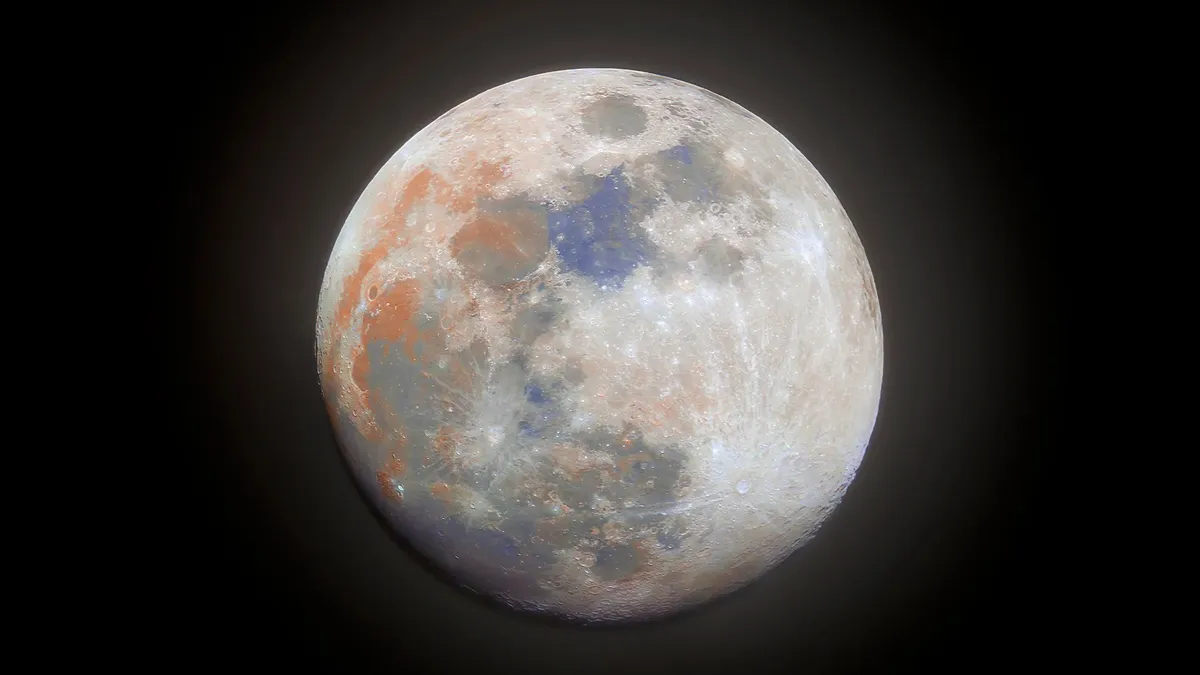
Turns out, the Moon is still holding onto a few secrets. Scientists in China just announced the discovery of the eleventh new mineral ever found on our celestial neighbor. And this one comes with a built-in party trick.
Meet Cerium-Magnesium Changesite. It's tiny — we're talking three to 25 micrometers, which is considerably thinner than a human hair — and it's transparent, breaks easily, and apparently, glows under the right conditions. Because why wouldn't a new lunar mineral be a little extra?
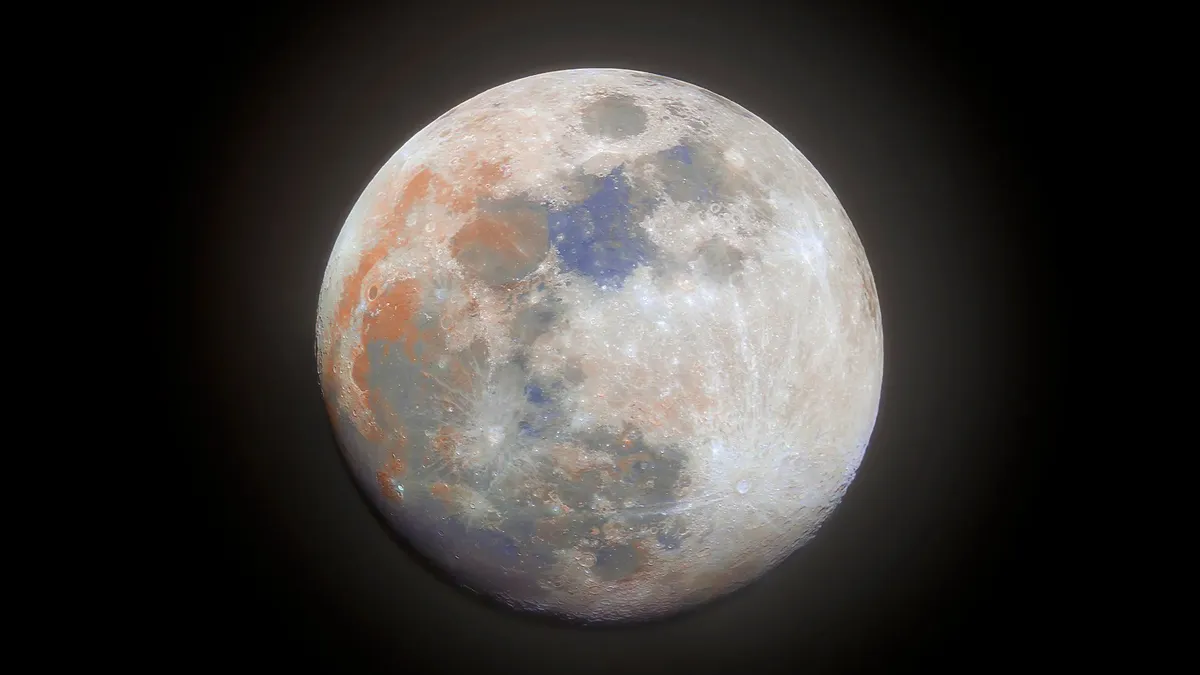
This microscopic, glowing gem was found tucked away in a 44-gram spherical meteorite sample, notable for being the first lunar meteorite ever identified in China. So, not only did they find a new mineral, they found it in a piece of the Moon that decided to take a scenic detour to their backyard.
We're a new kind of news feed.
Regular news is designed to drain you. We're a non-profit built to restore you. Every story we publish is scored for impact, progress, and hope.
Start Your News DetoxThe Future of Light Might Be Lunar
That glowing property isn't just for show, though. Experts are eyeing Cerium-Magnesium Changesite's strong fluorescence as a potential game-changer for LED lighting. Fluorescent materials are the unsung heroes of LED performance, dictating brightness, color, and energy efficiency. This new lunar compound could lead to lights that are brighter and sip less energy than anything we've got now. Which, if you think about it, is both impressive and slightly terrifying for anyone who just bought a new light bulb.
Every new lunar mineral discovery is like finding another piece of a very ancient, very large puzzle. It helps scientists piece together the Moon's dramatic geological past and, as a bonus, sometimes offers up practical uses right here on Earth. Researcher Che Xiaochao noted that this particular mineral formed under unique conditions of temperature, pressure, and elements not typically found on our home planet.
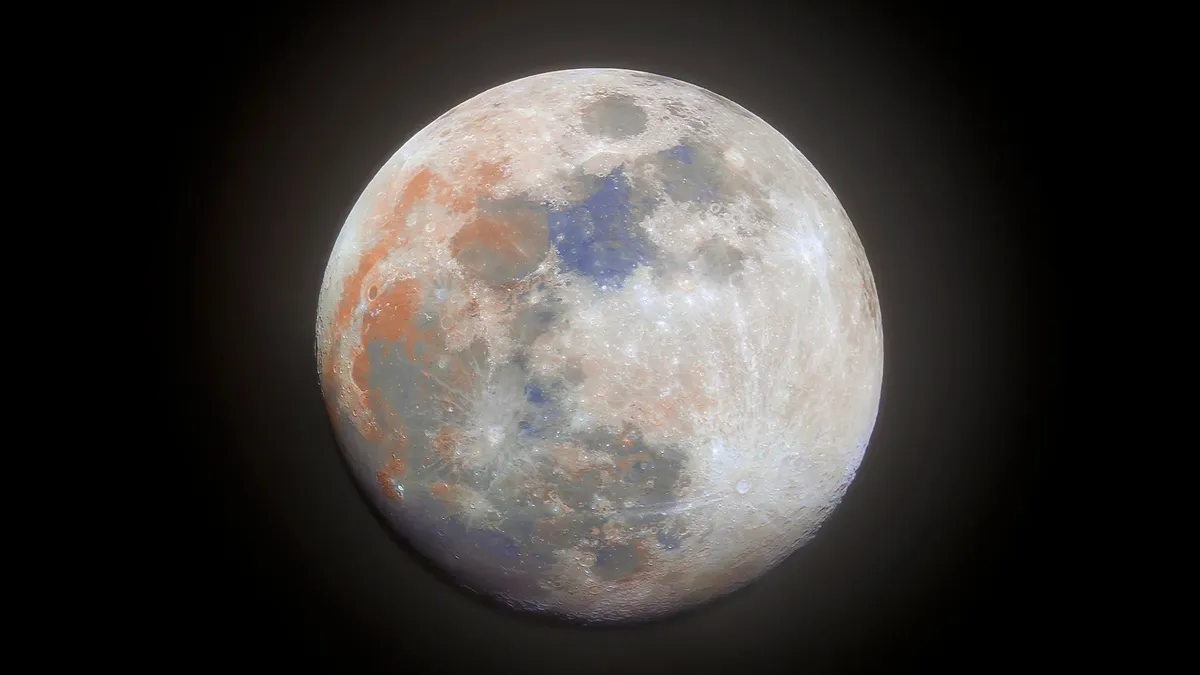
If we ever find Cerium-Magnesium Changesite on Earth, it would mean our planet once experienced similar cosmic conditions, allowing for some truly fascinating geological comparisons across the cosmos. For now, it's a glowing testament to the Moon's distinct chemistry, shaped by its harsh, airless environment.
This isn't China's first rodeo, either. Back in 2022, the Chang'e-5 mission unearthed Changesite-(Y), another new phosphate mineral with unusual elements. Lunar materials often boast unique chemical and optical traits, which researchers believe could eventually improve everything from electronics to energy systems.
Of course, actually getting enough of these glowing moon rocks to mass-produce anything is still a distant dream. For now, the focus is on studying and trying to recreate its properties in labs. Because if geology from space can directly make your everyday desk lamp better, well, that's just a future worth illuminating.