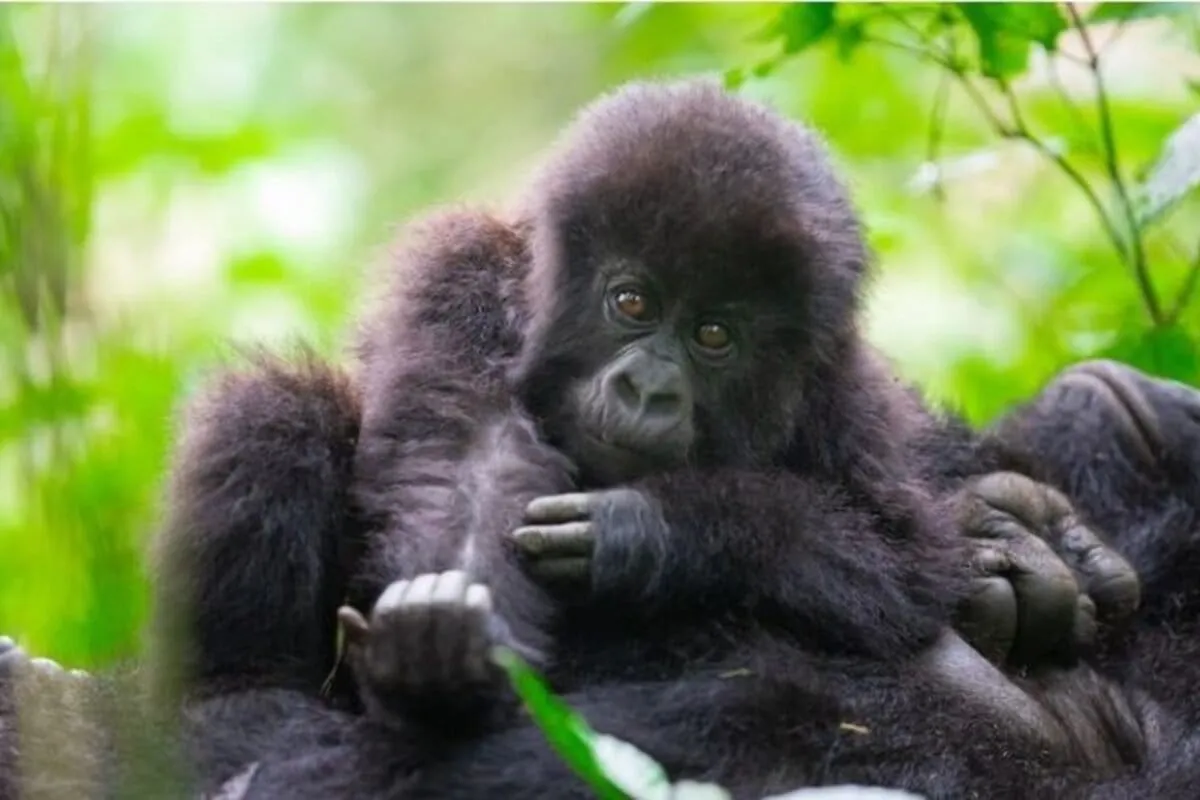
Good news out of the world of giant primates: mountain gorilla numbers have shot up by a remarkable 73% since 1989. That's enough to get them reclassified from "critically endangered" to merely "endangered." Let that satisfying number sink in. There are now 1,063 of these magnificent creatures roaming the Earth.
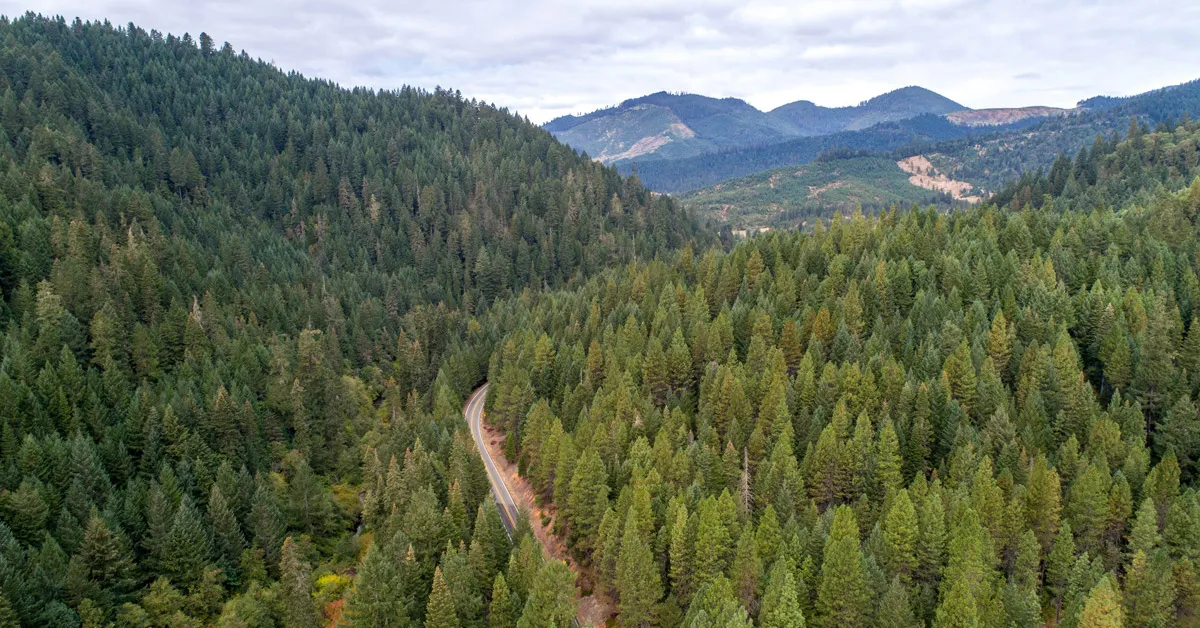
Their home is the Greater Virunga Landscape, a stunning stretch of land across Rwanda, Uganda, and the Democratic Republic of Congo (DRC). It's also a region that, frankly, makes conservation a bit of a nightmare. Think active conflict zones, armed groups, and the ever-present threat of poachers.

High-Tech Help for High-Altitude Apes
These gorillas live way up in the clouds, at altitudes between 8,000 and 13,000 feet. You'd think that would be enough to deter most things, but no. They're still hunted for meat and body parts. Sometimes, infants are snatched to become grim tourist attractions. And, because life isn't unfair enough, they also get caught in snares meant for other animals. Oh, and their habitat is shrinking thanks to farming and logging.
We're a new kind of news feed.
Regular news is designed to drain you. We're a non-profit built to restore you. Every story we publish is scored for impact, progress, and hope.
Start Your News DetoxEnter the modern ranger, armed not just with a rifle, but with a smartphone. Because apparently that's where we are now: saving gorillas with an app.
Rangers in the region are using a cellphone software called SMART (Spatial Monitoring and Reporting Tool). It's essentially a customizable digital toolkit for wildlife protection. Need to know where the protected area ends and the poachers begin? SMART has a map. Want to track patrol routes or wildlife corridors? SMART's on it.
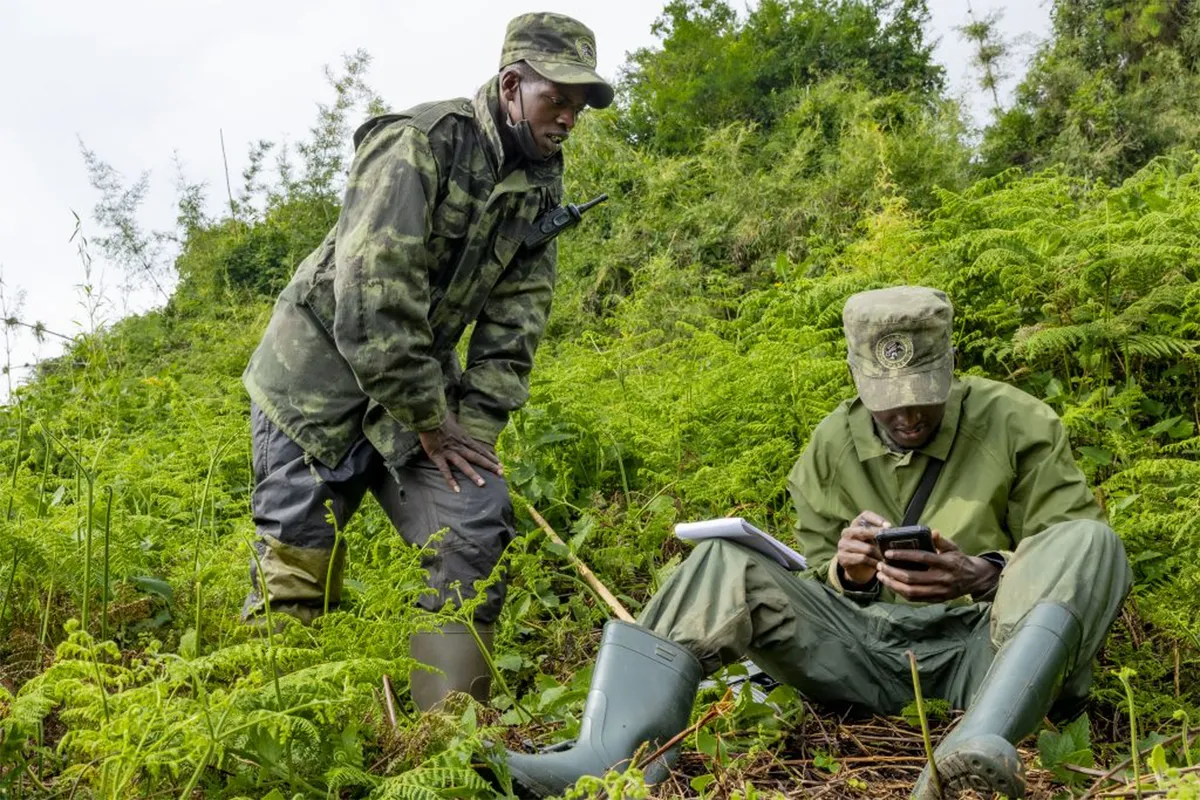
The app lets rangers log observations, snap photos, navigate tricky terrain, and then organizes all that data for analysis. This information isn't just for show. It's used as evidence to prosecute poachers, and it helps conservation teams figure out exactly where to deploy staff and how to best protect their furry, high-altitude charges. It turns out, sometimes the most powerful tool in the jungle is the one in your pocket.