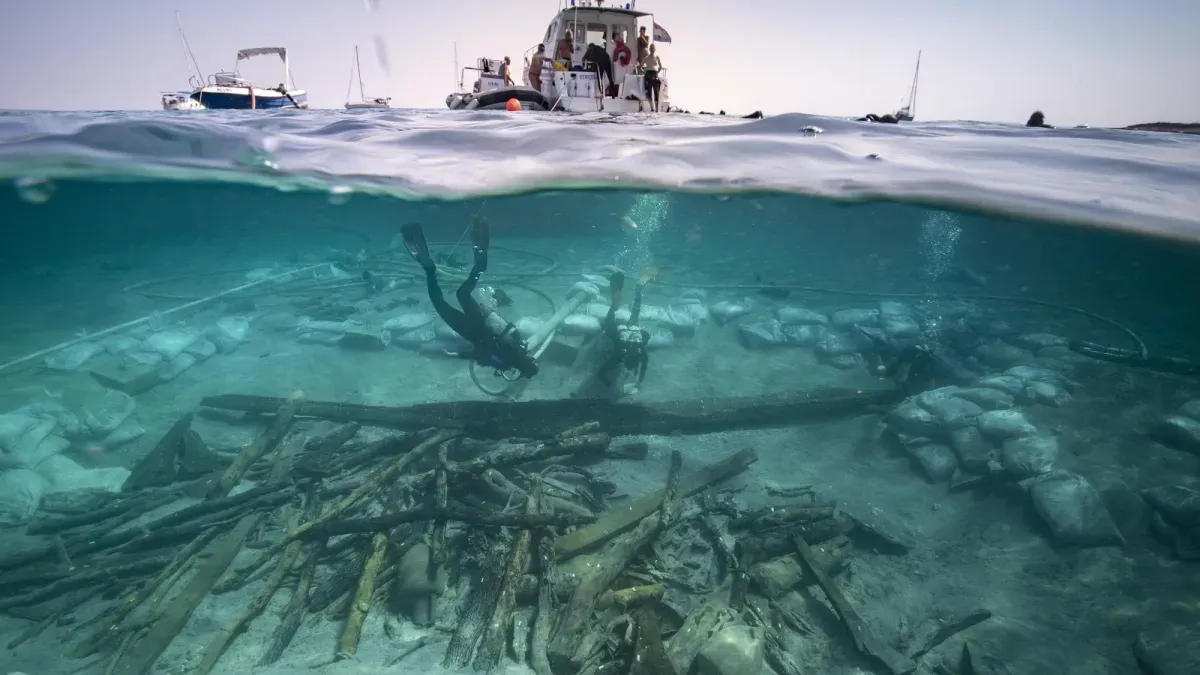
Around 2,200 years ago, a Roman Republic ship, laden with wood and amphorae full of wine, decided to call it quits off the coast of modern-day Croatia. Scientists aren't entirely sure why it sank, but when the Ilovik–Paržine 1 shipwreck was discovered in 2016, they weren't exactly clamoring for a taste of ancient vino.
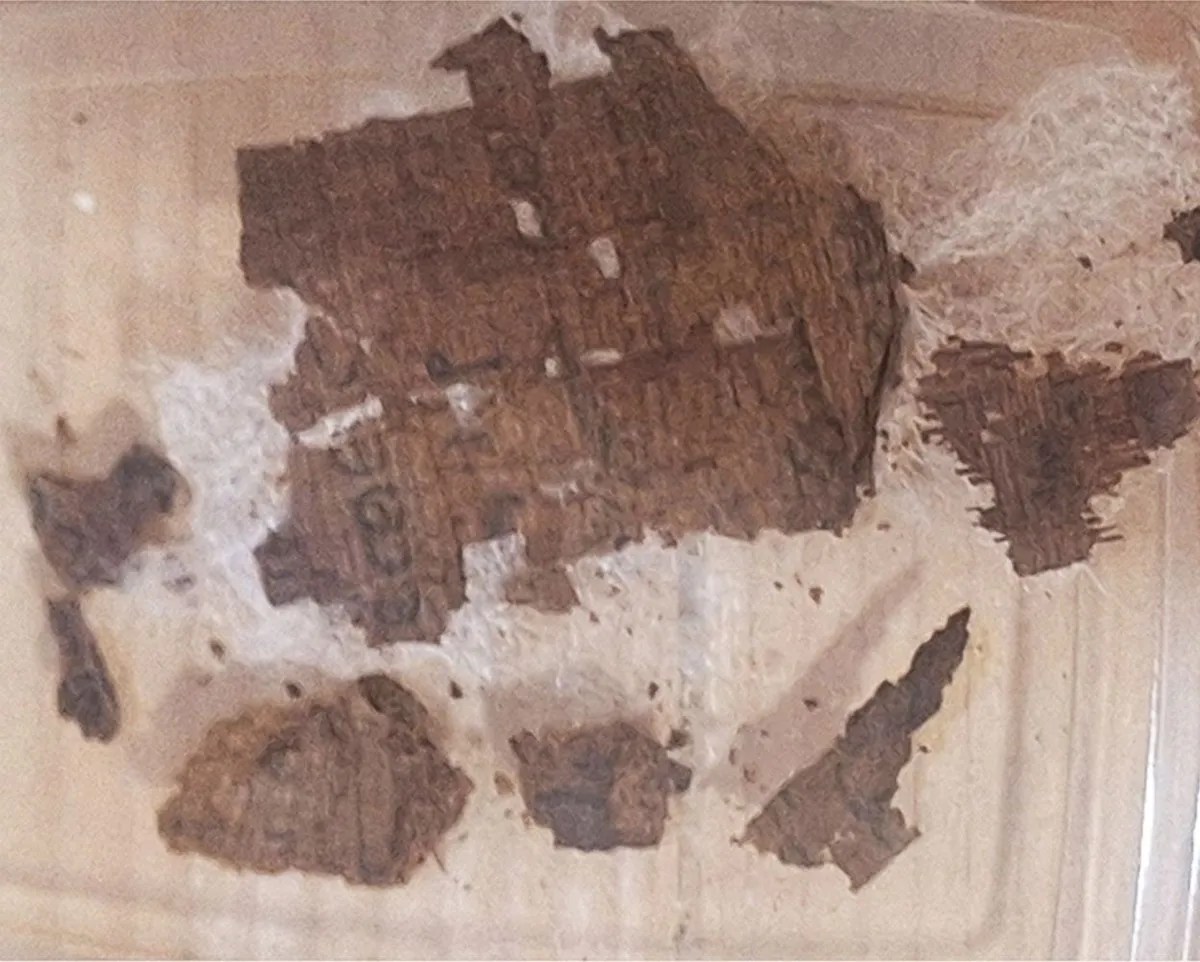
No, their sights were set on something far more intriguing: the ship's waterproofing. This sticky, ancient layer, much like tree sap, had trapped pollen. And by decoding this botanical time capsule, researchers could map the ship's journey and even its pit stops for repairs.
The Ship's Skincare Routine, Decoded
Armelle Charrié-Duhaut, an archaeometrist from the University of Strasbourg, led the charge. She points out that organic waterproofing — essentially the ship's very necessary skincare routine — is often overlooked, despite being crucial for ancient seafaring and shipbuilding insights.
We're a new kind of news feed.
Regular news is designed to drain you. We're a non-profit built to restore you. Every story we publish is scored for impact, progress, and hope.
Start Your News DetoxHer team analyzed 10 samples from the wreck, using a trifecta of structural, molecular, and pollen analyses. The results? A "molecular fingerprint" pointing to heated coniferous tree resin or tar as the main ingredient in every sample. Because, apparently, even ancient ships needed a good sealant.
One sample, however, offered a delightful twist: a blend of beeswax and tar. The ancient Greeks, ever so clever, called this concoction zopissa. Pliny the Elder even mentioned it in his Natural History. Finding it on a Roman ship off Croatia confirms its enduring popularity in the Adriatic, proving some things just work, regardless of empire.

Where Did This Ship Get Its Touch-Ups?
Discovering zopissa on a Roman vessel strongly suggests it was built in Brundisium (today's Brindisi, Italy), a region with strong ties to Greek colonies back then. The pollen analysis backs this up, showing some coatings were applied near that very spot. Other layers, however, pointed to the northeastern Adriatic coast, right where the ship eventually met its watery end.
It seems this ship was quite the traveler, picking up pollen from holly oak and pine forests, olive and hazel shrublands, and even areas with alder, ash, fir, and beech trees. Essentially, a botanical greatest hits of the Mediterranean and Adriatic coasts.
The ship likely sported four to five layers of coating, with the stern and central parts sharing a uniform application. But the bow? That section had three separate touch-ups, indicating the ship underwent several patch-up jobs, grabbing materials from different corners of the Mediterranean. It was basically getting its oil changes on the road.

Charrié-Duhaut notes that these humble coatings aren't just about shipbuilding; they're ancient navigation logs. They show the vessel crisscrossing between the western Adriatic (where it was born) and the eastern Adriatic, possibly even venturing between the southern and northern parts of the eastern coastline just for a quick repair. Because a ship's gotta look its best, even if it's headed for the bottom of the sea.