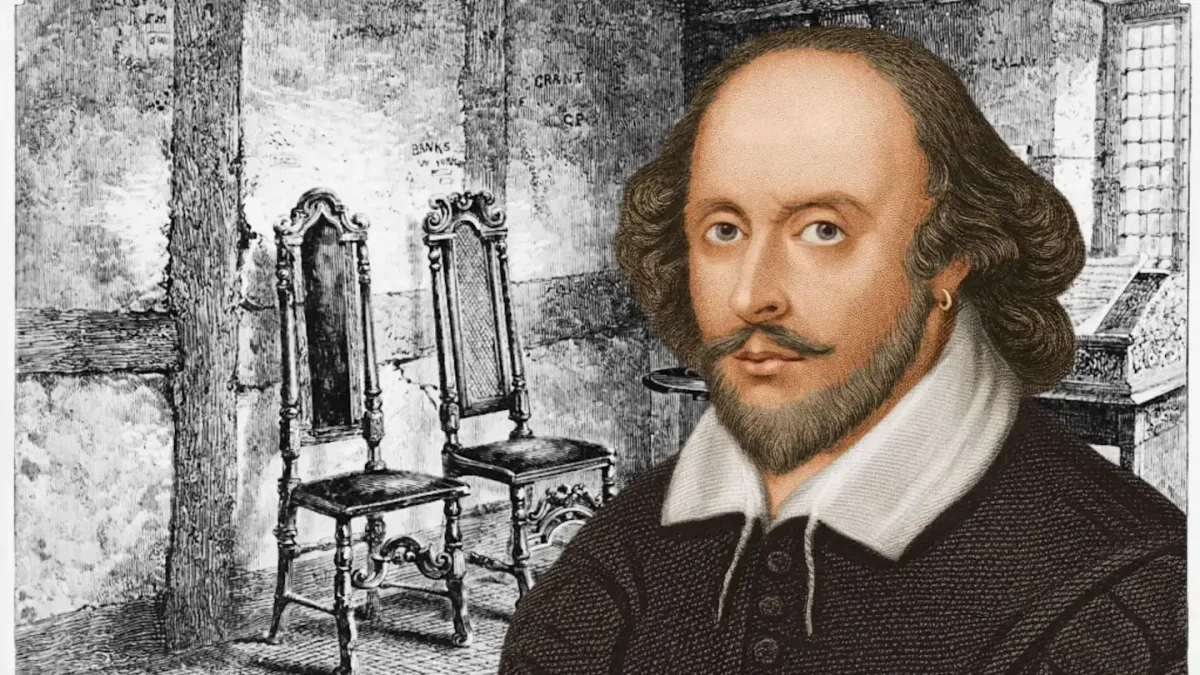
History never truly disappears in London. It often hides in forgotten corners until someone finds it again. This happened with William Shakespeare's lost London home.
For centuries, experts knew Shakespeare owned property in the city. But they didn't know exactly where it was. It was more of a rumor than a fact. Recently, a deep dive into old records uncovered a map. This map turned four centuries of guesswork into a real discovery.
This find didn't involve digging up a new building. Instead, it brought back a piece of the past that many thought was gone forever.
We're a new kind of news feed.
Regular news is designed to drain you. We're a non-profit built to restore you. Every story we publish is scored for impact, progress, and hope.
Start Your News DetoxLet's look at Shakespeare's personal life, his property, and what this discovery might tell us about his later years.
Between Stratford And London
Shakespeare's name is famous for London theater. But his personal life was in Stratford-upon-Avon. He was born there in 1564. He kept strong ties to the town even as his career grew.
His wife and children stayed in Stratford. He spent long periods in London. There, he worked as a playwright and an actor.
By the late 1500s, Shakespeare was well-known in entertainment. He worked with other performers and wrote plays for Lord Chamberlain’s Men. But he never moved his whole family to London. His life was split between his family home and the stage.
The Map That Leads To Shakespeare
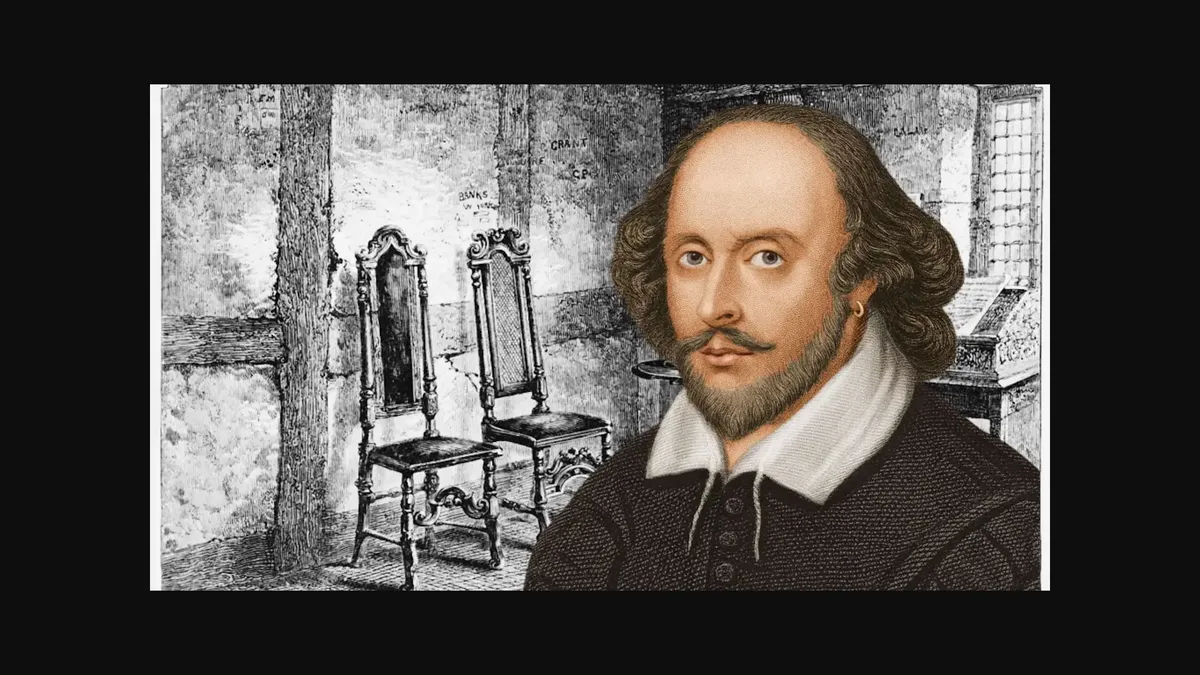
In 1613, Shakespeare bought a house in London's Blackfriars district. Historians knew about this purchase. But the exact location was a mystery until recently.
Researcher Lucy Munro found a detailed map in old London property records. This map solved the mystery. It showed the building's exact spot and its L-shape.
This house was very close to both the Blackfriars Theatre and the Globe. This put Shakespeare in the heart of London's theater world. Around this time, he was working on plays like Henry VIII and The Two Noble Kinsmen. This suggests his creative life was still active, more than some historians thought.
His purchase of the property suggests he might have spent more time in London than previously believed. He kept a strong connection to the stage even in his later years.
The First Folio
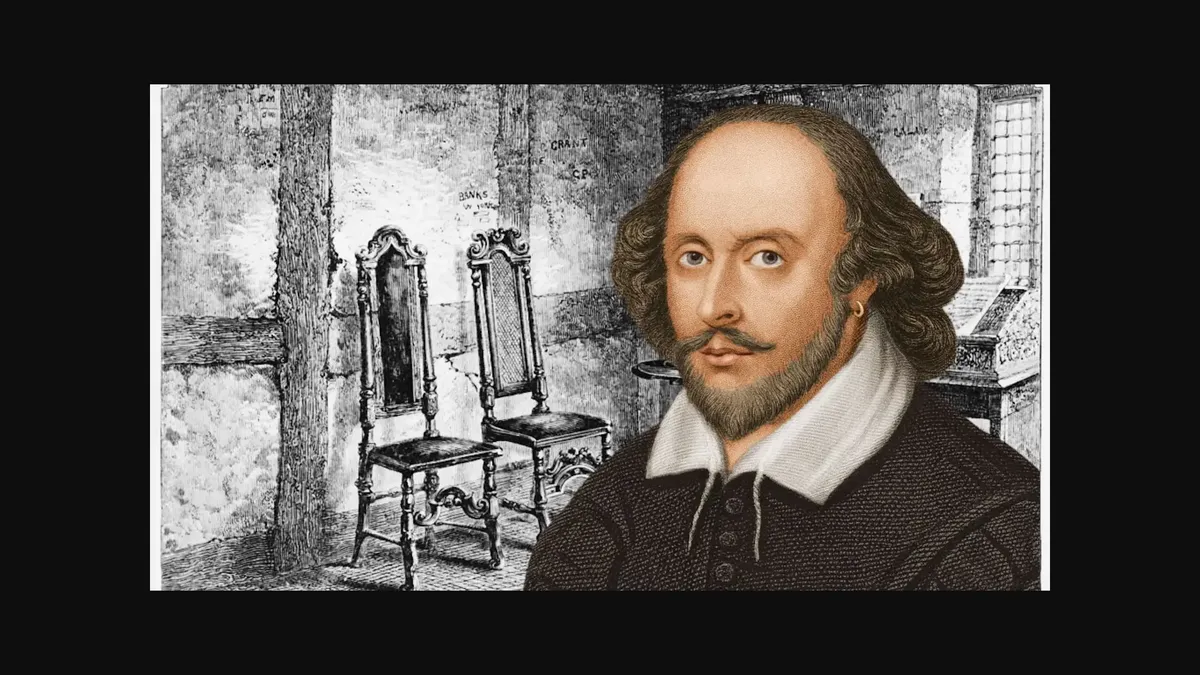
After Shakespeare died, his work was not safe. Many plays from that time were not formally saved. They only existed in performances or scattered papers. But in 1623, some of his friends gathered and published The First Folio. This was a collection of his plays.
Without this effort, many of his works could have been lost forever. This act of protecting his texts is like finding his London home. Both involve finding and saving parts of the past before they disappear.
5 St. Andrew's Hill
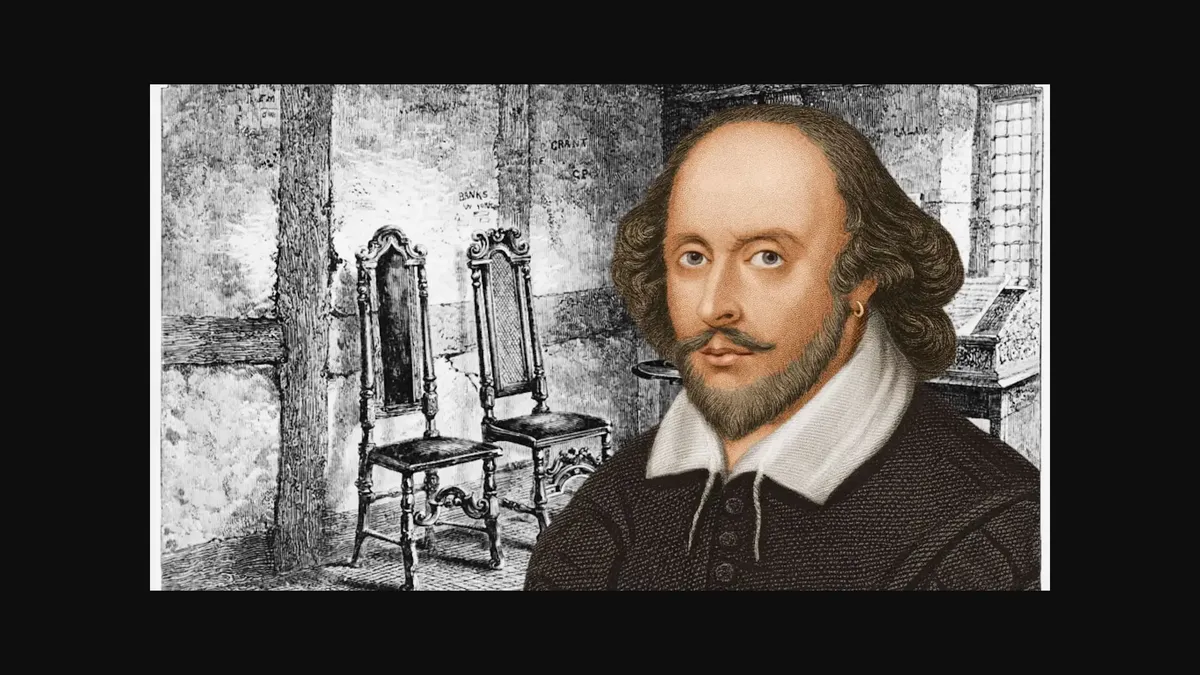
Shakespeare's Blackfriars house did not last. His descendants eventually sold it. Then, the Great Fire of London in 1666 destroyed it. Its existence was erased. Over 400 years later, its story has been brought back through old documents.
Today, a plaque marks the exact spot of the house. It reads, “On March 10, 1613, William Shakespeare purchased lodgings in the Blackfriars gatehouse located near this site.”