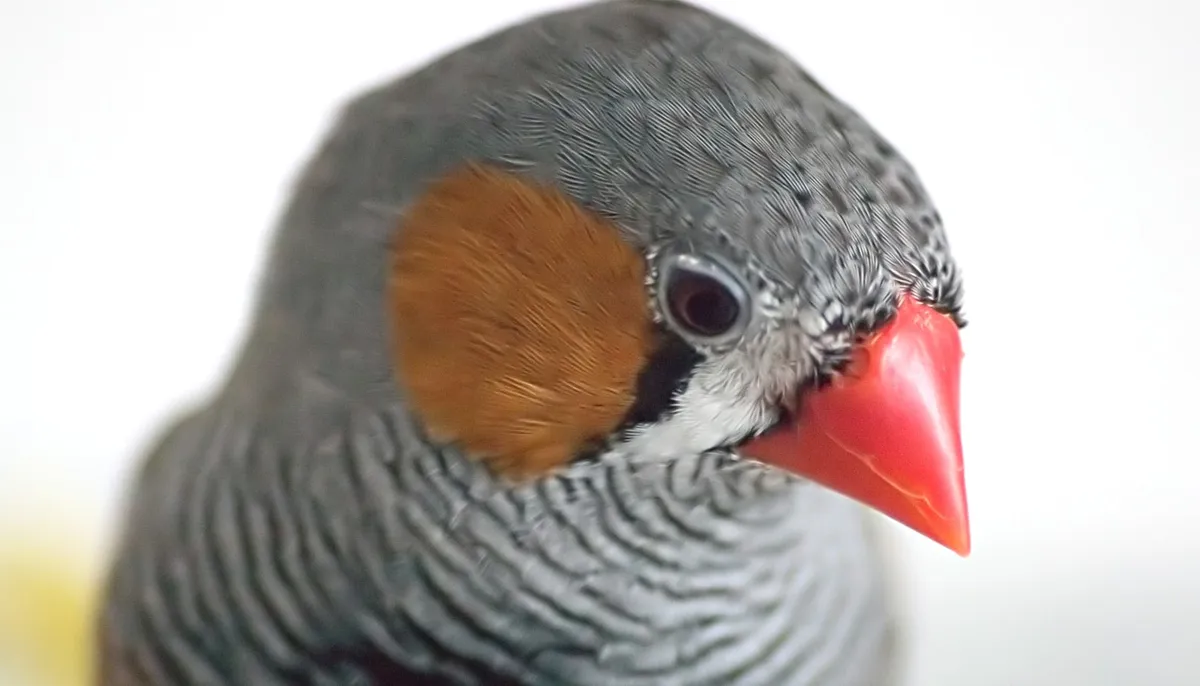
Turns out, the secret to a songbird's lifelong learning — and potentially our own brain repair — might involve a bit of a demolition derby. New research into the zebra finch brain, a creature famous for its endless capacity to learn new tunes, offers a rather surprising peek into how new neurons get to work.
Scientists at Boston University peered deep into the finch's noggin, specifically looking at neurogenesis: the process where new brain cells are born, move, and grow. This is the biological equivalent of a brain refresh button, crucial for learning, skill acquisition, and even fixing damage.
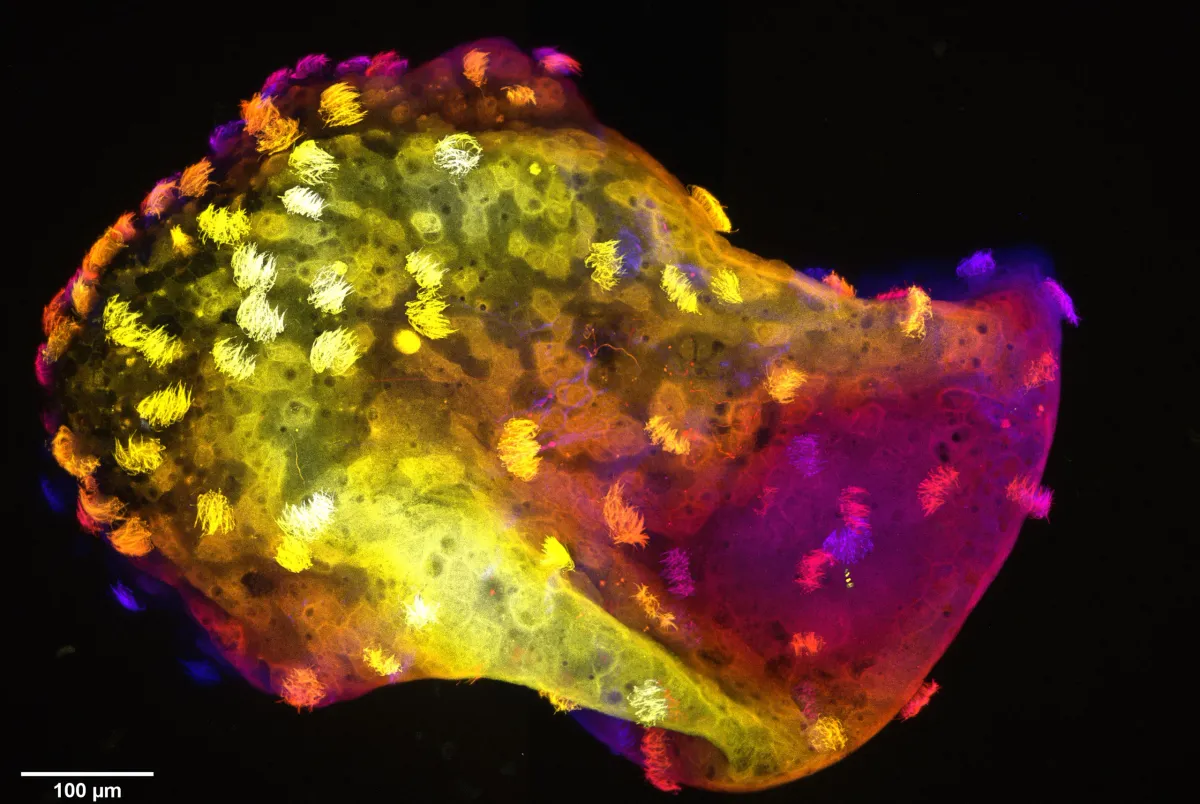
What they expected to see was a delicate dance. They figured these fresh neurons would politely navigate around existing brain structures, perhaps even asking for directions. Instead, using a super-powered microscope, they witnessed something more akin to a mosh pit. The new neurons didn't tiptoe; they tunneled, pushing and shoving their way straight through the established brain tissue.
We're a new kind of news feed.
Regular news is designed to drain you. We're a non-profit built to restore you. Every story we publish is scored for impact, progress, and hope.
Start Your News DetoxBrain Cells That Don't Ask Permission
Benjamin Scott, the lead author and a professor at Boston University, describes these adult songbird neurons as explorers, carving out their own path through dense, pre-existing neural real estate. This aggressive, disruptive behavior might just be the secret sauce for birds to keep learning and repairing their brains throughout life.
But it also raises a rather uncomfortable question for us mammals. Most of us are born with pretty much all the neurons we're ever going to get. This limited ability to grow new brain tissue as adults is a major reason we're so vulnerable to conditions like Alzheimer's.
Scott, who typically studies human brains, chose the zebra finch precisely because it's a neurogenesis superstar. His team used a technique called electron microscopy-based connectomics to get an incredibly detailed view, which is how they caught these tunneling neurons in the act. It's like watching a construction crew decide the sidewalk isn't good enough, so they just dig a new one.
The Glia Glitch, Or Not?
This discovery opens up two rather intriguing possibilities for human brains.
One is that our brains, being the cautious types, might have evolved to limit neurogenesis after birth as a protective measure. Imagine the chaos if every new neuron started bulldozing through your memories of where you left your keys. It's a fair trade-off, perhaps, for preserving what's already there.
The second, more hopeful idea, challenges a long-held belief. We thought adult human brains struggled with neurogenesis because we lose "glia scaffolds"—think of them as neural highways—after birth. Without these, how are new neurons supposed to get around?
But the finch study suggests these scaffolds aren't strictly necessary. If new neurons can just tunnel their way through, suddenly the lack of glia scaffolds isn't quite the insurmountable barrier we thought. This could be a game-changer for stem cell therapies, hinting that we might be able to encourage neurogenesis in humans without needing to rebuild the entire neural infrastructure.
Scott's team is now trying to figure out the exact biological blueprints behind this process, identifying the genes that tell these tunneling neurons where to go, when to stop, and how to connect. Because if we can learn how a songbird keeps its brain fresh and adaptable, who knows what tunes we might eventually teach our own.