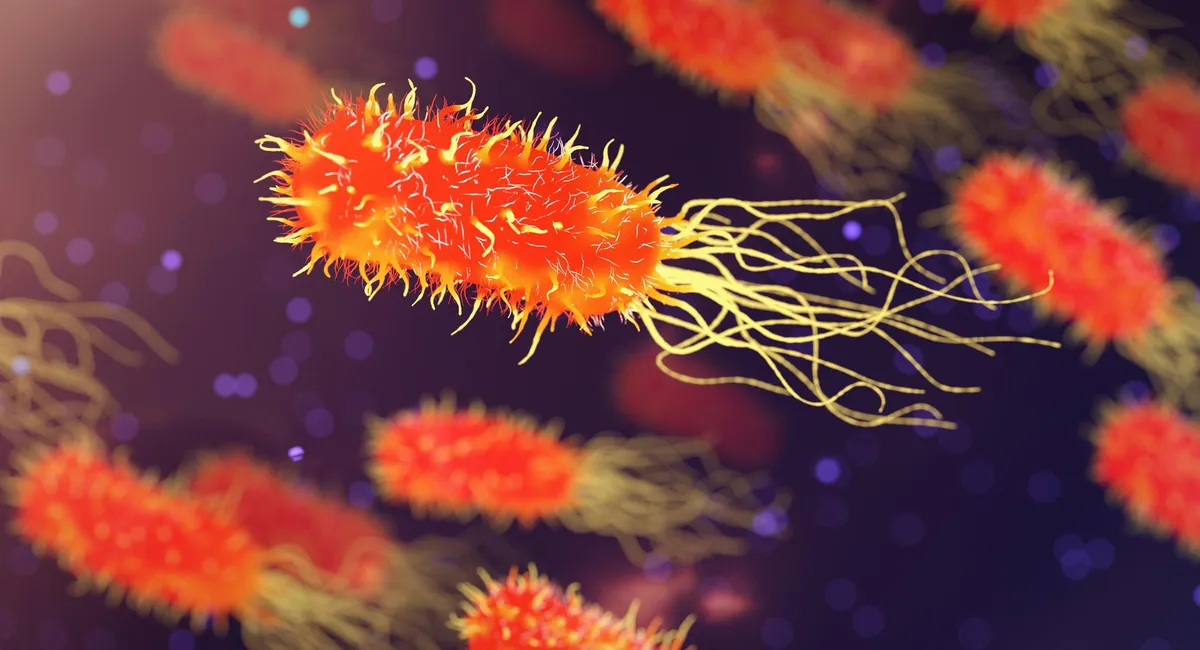
Scientists are looking back at old herbal remedies. They are finding that some, like the plant tormentil, can weaken dangerous bacteria. This could help fight superbugs that resist modern antibiotics.
Before antibiotics, people used plants to treat infections. Tormentil (Potentilla erecta) is a small yellow wildflower found in Ireland, the UK, and Europe. Its root was used in traditional medicine for wounds, sore throats, and other issues. This history suggested tormentil might contain compounds that fight harmful microbes.
Recent research shows tormentil has antimicrobial power. It might even fight microbes that are resistant to current antibiotics.
We're a new kind of news feed.
Regular news is designed to drain you. We're a non-profit built to restore you. Every story we publish is scored for impact, progress, and hope.
Start Your News DetoxFighting Superbugs with Tormentil
Antimicrobial resistance is a growing global problem. Bacteria are changing, making drugs that once killed them ineffective. This makes some infections very hard, or even impossible, to treat. It raises fears of a time when common infections could become deadly again.
Researchers are looking for new antimicrobial compounds. Plants are a good source because they have developed many chemicals to protect themselves from microbes over millions of years.
Potentilla erecta*) is a perennial herbaceous plant widely distributed across Europe, traditionally used in herbal medicine for its astringent and antimicrobial properties. Its roots are rich in bioactive compounds such as tannins, ellagic acid, and agrimoniin, which have demonstrated antibacterial activity in laboratory studies. Credit: Shutterstock*
Scientists studied Irish bogland plants to find compounds against multidrug-resistant bacteria. They made extracts from over 70 plant species. Then, they tested these extracts against bacteria that cause severe pneumonia and urinary tract infections.
They checked if the extracts stopped bacterial growth. They also tested if the plant compounds could prevent bacteria from forming biofilms. Biofilms are like slimy shields that protect bacteria from antibiotics and the immune system.
Tormentil extracts showed strong antimicrobial effects. They also limited biofilm formation. This suggests the extracts have compounds that fight microbes, which explains their traditional use.
The team also explored if tormentil could boost existing antibiotics. Some plant compounds don't kill bacteria directly but make antibiotics work better. They combined a low dose of colistin, a last-resort antibiotic, with tormentil extract.
The low dose of colistin alone wasn't enough to kill the bacteria. But with the tormentil extract, the plant compound made the antibiotic much more effective.
How Tormentil Works
Researchers identified compounds in tormentil extracts, such as ellagic acid and agrimoniin. These compounds are known for their antioxidant and anti-inflammatory properties.
They found that these specific compounds could stop bacterial growth. This suggests they are responsible for tormentil's antimicrobial activity.
These compounds work by "scavenging" iron. Iron is vital for bacteria to grow. By taking away the iron, the compounds starve the bacterial cells, stopping their growth. Scientists are now working to improve this activity and create new treatments.
Nature has always provided many medicines. Many current antibiotics came from natural sources. For example, vancomycin, used for MRSA infections, came from soil microbes.
As antimicrobial resistance grows, new treatments are urgently needed. Plants could be an overlooked source of new antimicrobial compounds. They might also provide compounds that make current drugs more effective.
The story of tormentil shows how traditional medicine and modern science can work together. Solutions can be found in unexpected places, even in a small yellow wildflower.