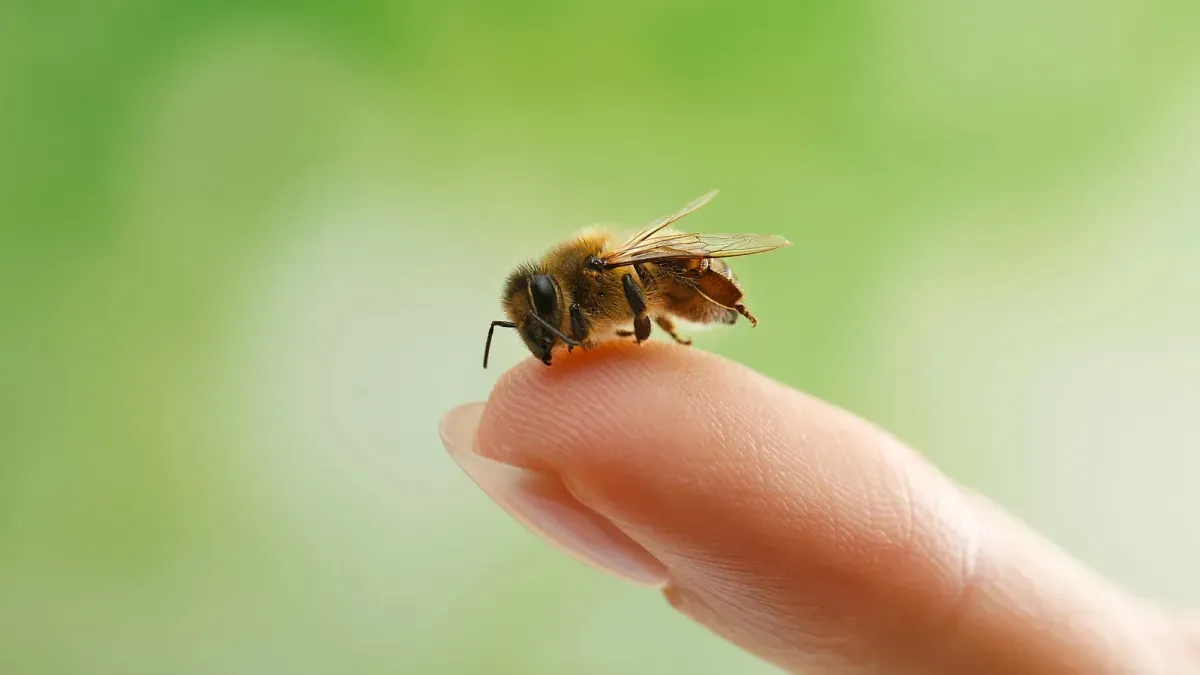
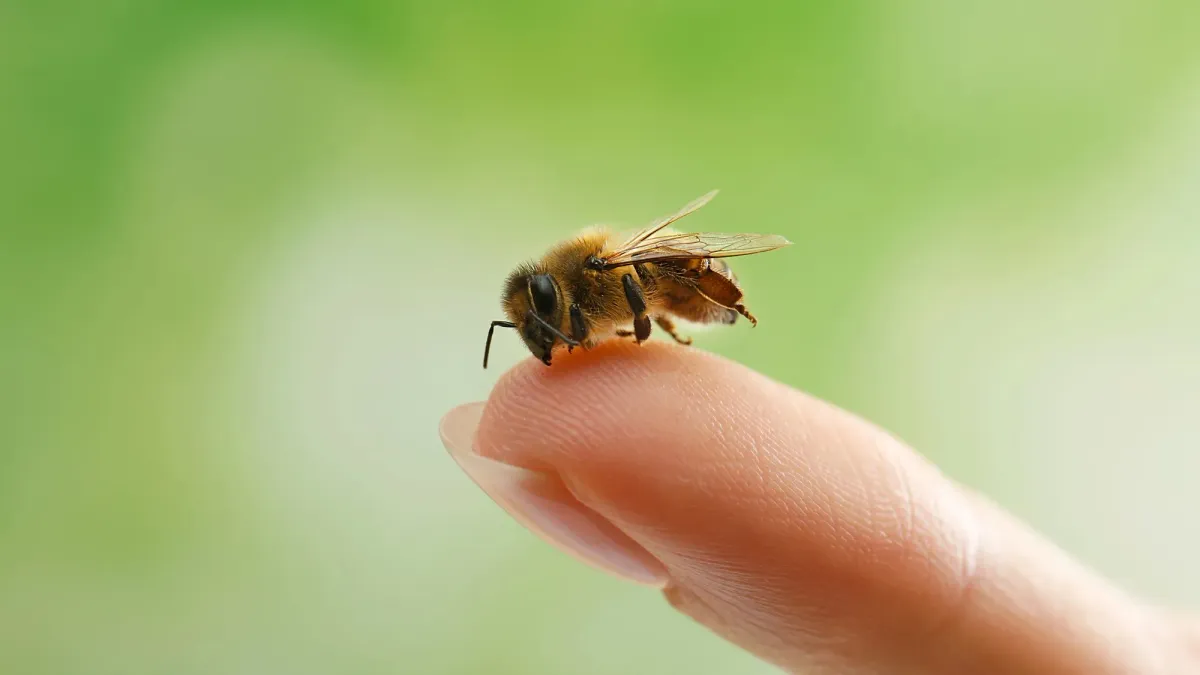
Honeybees have brains smaller than a poppy seed — a mere milligram of gray matter with fewer than a million neurons. For comparison, your average human brain clocks in at around 1,300 grams and 86 billion neurons. Yet, these tiny, fuzzy mathematicians are apparently acing basic arithmetic. Because apparently, that's where we are now.
For years, scientists have been buzzing (pun intended) about just how much these seemingly simple insects can grasp. The answer, it turns out, might force us to rethink what 'intelligence' actually looks like across the animal kingdom.
Tiny Brains, Big Concepts
A team at Monash University in Australia recently dropped a bombshell: honeybees can count. This isn't entirely new territory; previous studies hinted that bees could add, subtract, and even grasp the mind-bending concept of zero. But some skeptics whispered that the bees were just reacting to visual cues, not actually thinking.
We're a new kind of news feed.
Regular news is designed to drain you. We're a non-profit built to restore you. Every story we publish is scored for impact, progress, and hope.
Start Your News DetoxBiologist Scarlett Howard and her team, however, were confident in their findings. Howard admitted it's tricky to imagine the world through a bee's compound eyes, but that's precisely the point. Bees, she noted, consistently surprise them with their decision-making and problem-solving skills.
To really put their numerical prowess to the test, Howard's team showed bees surfaces with varying numbers of black shapes. Crucially, they also included a blank surface to represent 'zero.' Using sweet rewards, they trained the bees to associate the number of shapes with actual numerical values.

Their study, published in Proceedings of the Royal Society B: Biological Sciences, suggests the bees weren't just playing a visual matching game. They were engaging in what the authors call "abstract numerical reasoning." That's a fancy way of saying they understood the concept of a number, not just the pattern of dots. Mirko Zanon, a neuroscientist collaborator, added that previous criticisms simply don't hold up when you consider the intricate biology of a bee.
Outside the lab, these math skills aren't just for showing off. Counting flower petals could help bees remember which plants offer the best nectar buffet. The findings also offer a fascinating tidbit for artificial intelligence: sometimes, less computing power can still lead to incredibly complex abilities. Which, if you think about it, is both impressive and slightly terrifying. Howard's big takeaway? Humans don't have a monopoly on intelligence, and it's time we stopped acting like it.