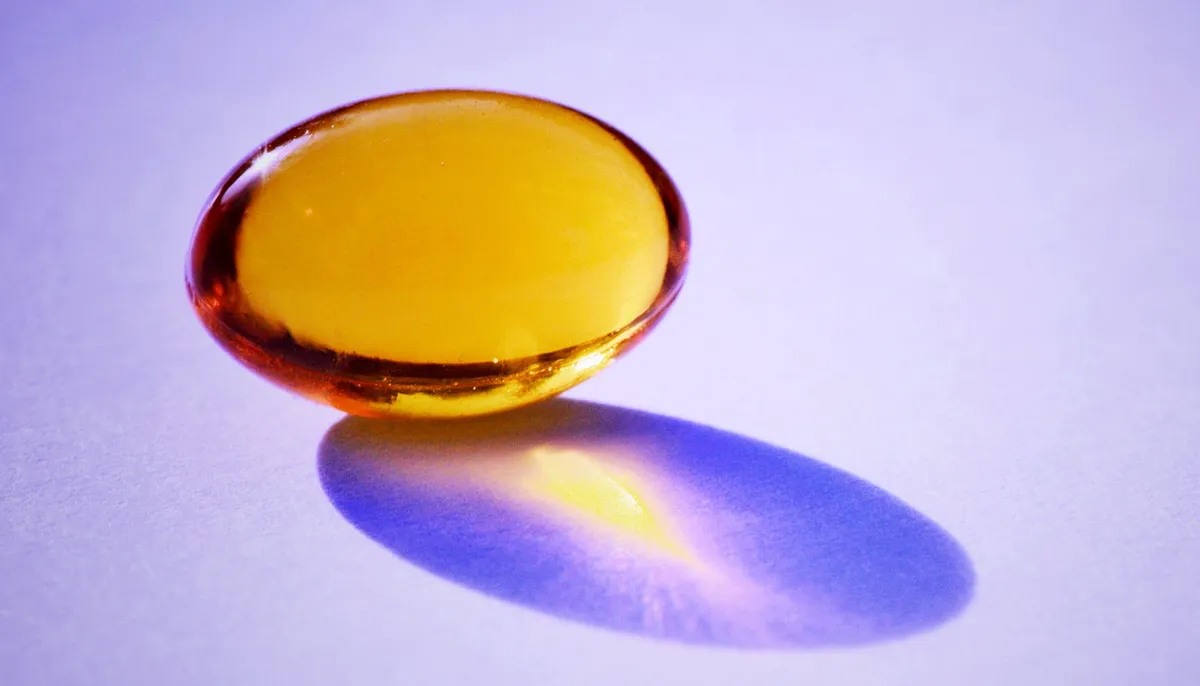
For years, the question of whether vitamin D could help ward off diabetes has been a bit of a medical shrug. Some studies said yes, others said… not so much. But now, it turns out the problem wasn't the vitamin; it was us. Or, more accurately, our genes.
A new study suggests vitamin D can help prevent diabetes, but only if you've got the right genetic lottery ticket. Which, if you think about it, is both impressive and slightly terrifying for the 115 million Americans currently navigating prediabetes.
Your Genes, Your D
The initial large-scale D2d study, involving over 2,000 adults with prediabetes, didn't find a universal benefit from taking a hefty 4,000 units of vitamin D daily. Most people didn't see a significant drop in their diabetes risk. But lead author Bess Dawson-Hughes, a senior scientist at Tufts University, wasn't ready to give up. "Could vitamin D still benefit some people?" she wondered. Because delaying diabetes, even a little, can significantly lessen the severity of its nasty complications.
We're a new kind of news feed.
Regular news is designed to drain you. We're a non-profit built to restore you. Every story we publish is scored for impact, progress, and hope.
Start Your News DetoxSo, her team went digging into the genetic data of those original participants. They wanted to see if variations in the vitamin D receptor gene—that little protein that helps your cells actually use the vitamin—could explain the mixed results.
Turns out, it absolutely could.
About 30% of the study group had an "AA" variation of the ApaI vitamin D receptor gene. For these folks, daily high-dose vitamin D was about as useful as a screen door on a submarine. No benefit.
But for everyone else, those with the "AC" or "CC" variations? Bingo. They saw a 19% lower risk of developing diabetes when taking the same daily dose, compared to those on a placebo. Let that satisfying number sink in.
The Future Is Tailored
This isn't just a quirky scientific footnote. It's a huge step towards personalized medicine. Anastassios Pittas, the study's senior author and a professor at Tufts, calls it an "important step toward a personalized approach" to lowering type 2 diabetes risk. And vitamin D, he points out, is "inexpensive, widely available, and easy for people to take."
Which sounds great, but before you start chugging vitamin D supplements like they're going out of style, a quick word of caution: the authors stress that you shouldn't self-prescribe high doses. Too much vitamin D can actually be harmful, even linked to increased falls and fractures in older adults.
But for the future? A simple, inexpensive genetic test could tell doctors exactly which prediabetes patients might actually benefit from a little extra sunshine in a pill. Imagine that: medicine that actually knows you.