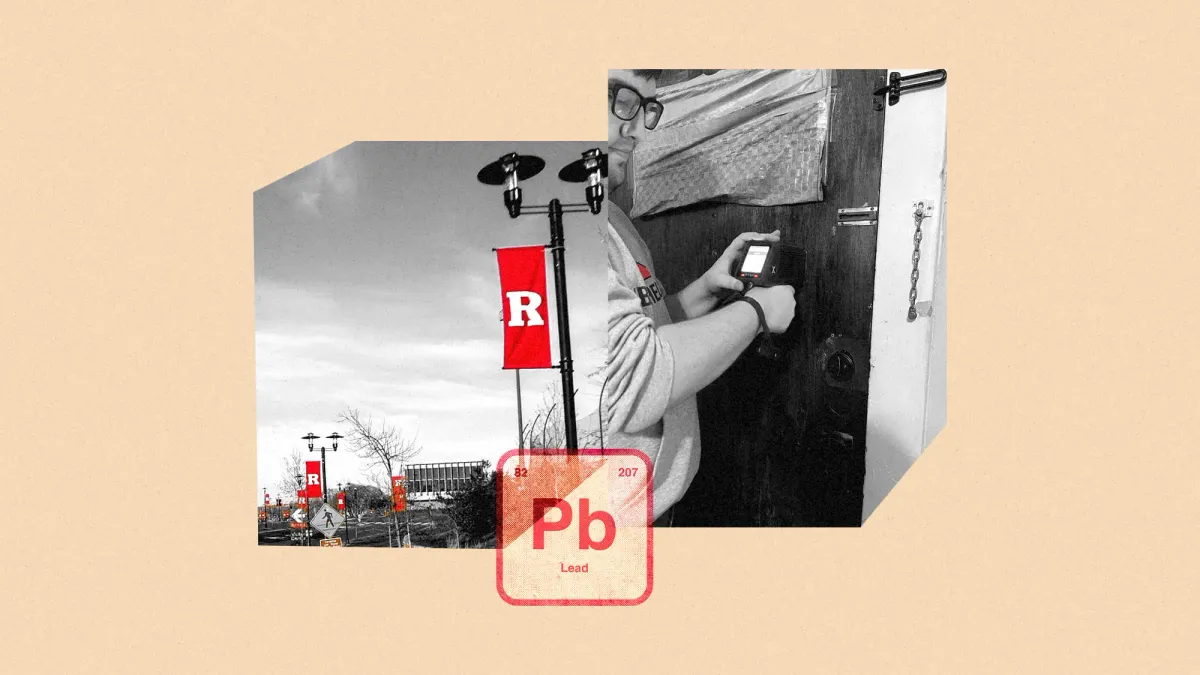
Kim Booker lived in Trenton, New Jersey, for nearly three decades, blissfully unaware of the silent threat lurking in her home. Then a local nonprofit, the East Trenton Collaborative, pulled back the curtain. Old pipes, chipping paint — the industrial ghosts of Trenton's past — were contaminating her water and soil.
Booker suspected her aging home was a prime suspect. Chipping paint was a dead giveaway. But then she connected the dots: her late grandmother and sister had Alzheimer's, a disease now linked by researchers to lead exposure. Suddenly, this wasn't just about her house; it was about her health.
Finding free, comprehensive testing was nearly impossible. So, the Collaborative connected her with Sean Stratton, a Rutgers doctoral student. Stratton was on a mission, testing homes for his dissertation to paint a clearer picture of Trenton's lead problem. Booker, understandably, said yes. Soon, Stratton was meticulously testing her paint, yard, and water.
We're a new kind of news feed.
Regular news is designed to drain you. We're a non-profit built to restore you. Every story we publish is scored for impact, progress, and hope.
Start Your News Detox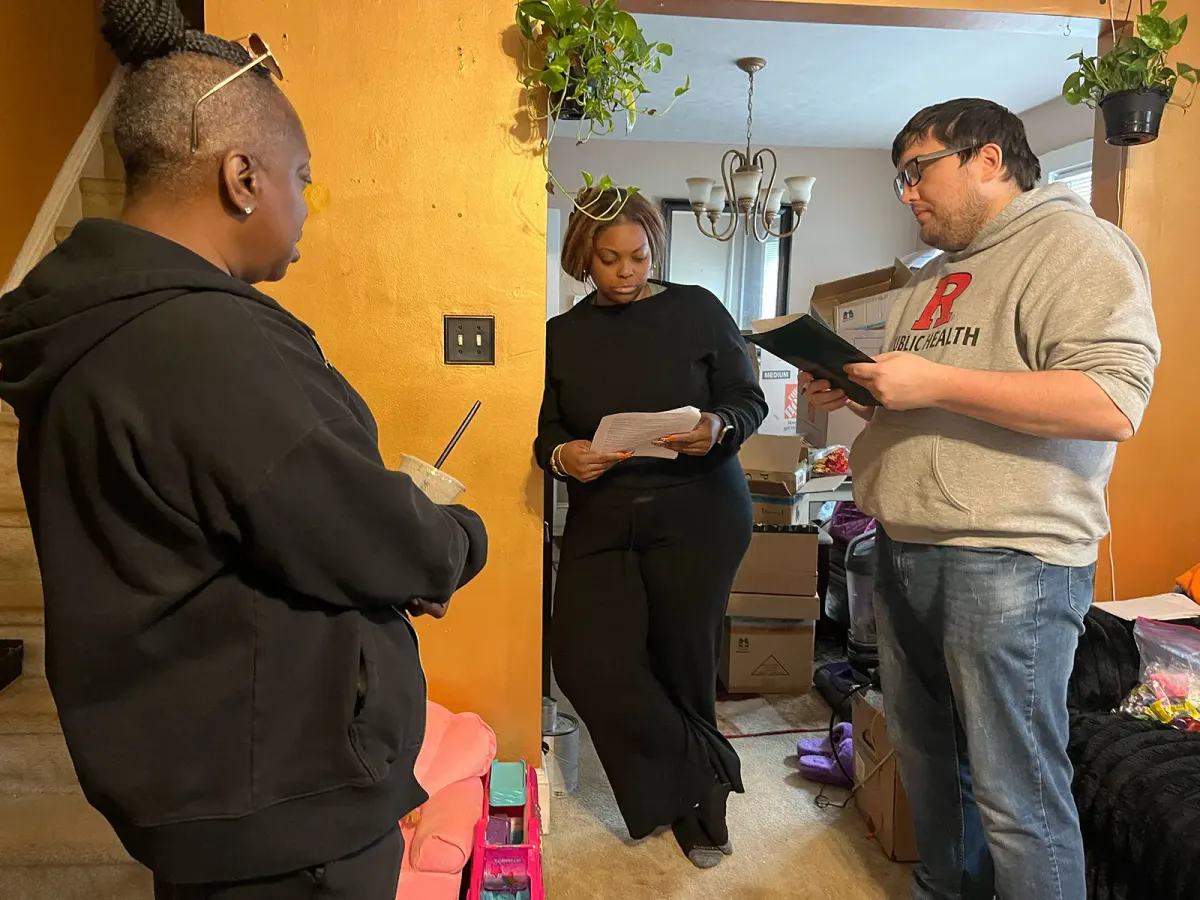
Her suspicions were confirmed: lead was everywhere. Her yard registered over 450 parts per million — well above the EPA's hazard level. Even her blood showed detectable lead levels. Without Stratton, she would have remained in the dark. "The city shouldn’t rely on a student to do this work," Stratton observed, with a hint of exasperation.
The Testing Gap
Comprehensive lead testing, the kind Stratton provides, can easily top a thousand dollars. Over two years, he tested more than 140 Trenton homes, creating the clearest map yet of the state's lead crisis. His work even helped put East Trenton on the EPA's Superfund National Priorities List last July, a designation for the country's most contaminated sites. Because apparently that's where we are now.
Despite this, widespread, proactive door-to-door testing remains nonexistent. Residents still rely on Stratton. The catch? His project is ending. He defended his dissertation in February and graduates in May, leaving a gaping void. Community groups are now scrambling, worried they're losing their only accessible lifeline for household testing.
"We don’t want to stop working together," said Shereyl Snider from the Collaborative. "I don’t see it ending, but I don’t know how we can continue unless we have big supporters."
New Jersey, with its 350,000 lead service lines, ranks among the top 10 states for lead contamination. It snagged over $100 million in federal funds to replace pipes, which is great. But that money doesn't touch contaminated soil, indoor lead paint, or, crucially, proactive home testing. It’s a bit like fixing the roof while the basement floods.
Stratton points out that current testing options are fragmented at best. The state health department inspects paint only after a child is poisoned. Children are tested at ages one and two, but older kids and adults? They're on their own dime. Trenton Water Works offers water test kits, but residents still have to pay a private lab to analyze them. And soil? Unless the EPA steps in, good luck.
Each test is a tiny piece of an enormous puzzle. Families get incomplete information, and results can take weeks or simply vanish. One resident, Amber DeLoney-Stewart, never even got her home inspection results from the city, despite her child's blood tests showing lead exposure. Without coordinated outreach or a mandate for proactive testing, residents are left to navigate a labyrinth of programs. Stratton sums it up: "It’s very siloed."
From Consultant to Crusader
Stratton's journey to becoming East Trenton's de facto lead detective wasn't intentional. After his bachelor's in environmental science, he worked as a consultant, sampling sites and designing cleanup plans. Then Flint, Michigan, happened.
A friend asked him to test his New Jersey home's water. The results were alarming: over 78 parts per billion, more than five times the EPA's action level. Confused, Stratton dug into public records and regulations. He discovered his town wasn't testing the correct locations, seemingly skirting federal rules. Alarmed, he started pulling public records from water utilities across the state.
"I started arguing with the DEP," Stratton said, referring to the New Jersey Department of Environmental Protection. "And then I decided I needed to go back to school, because I felt like I needed to get more credibility." Which, if you think about it, is both impressive and slightly terrifying.
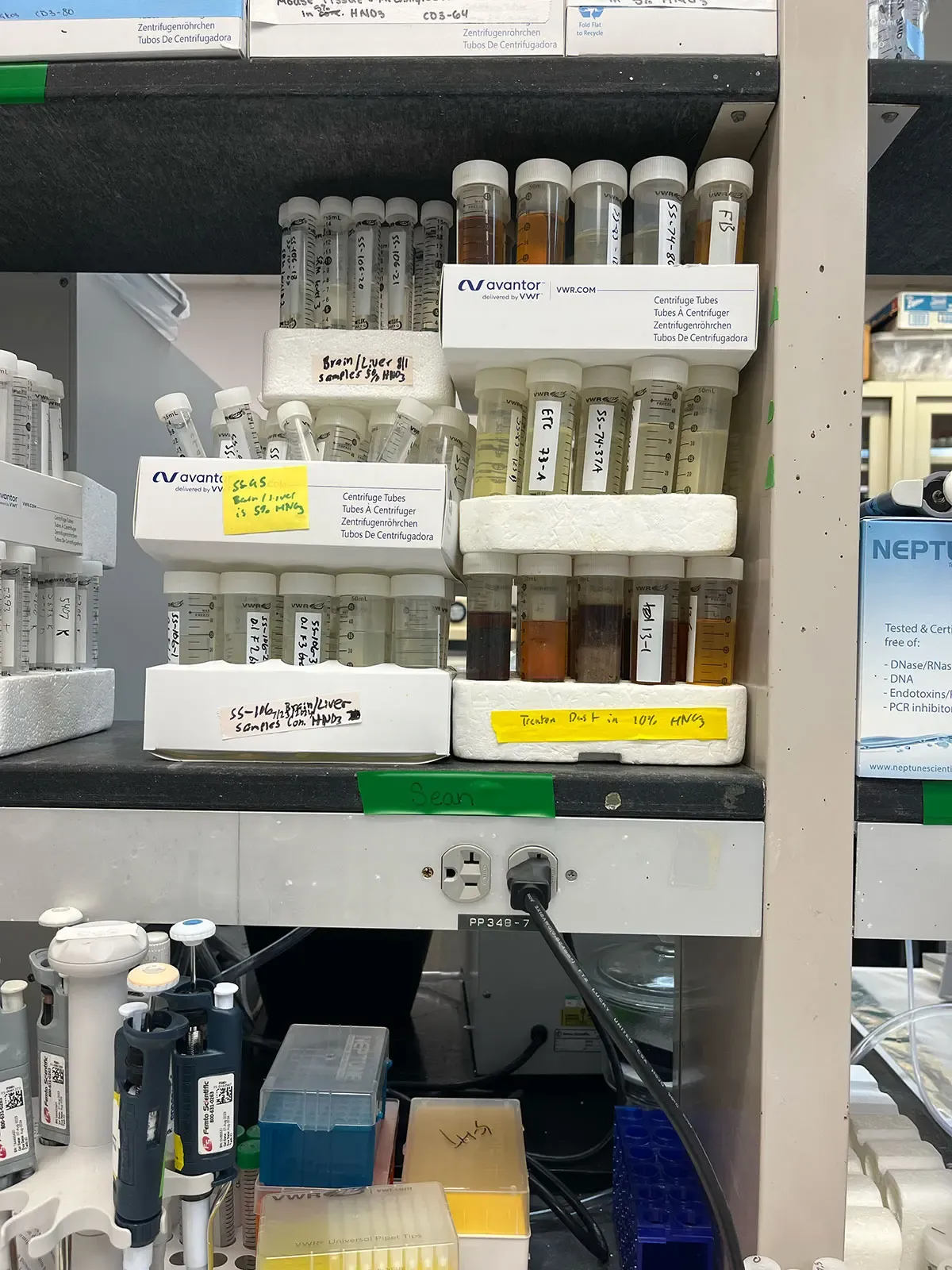
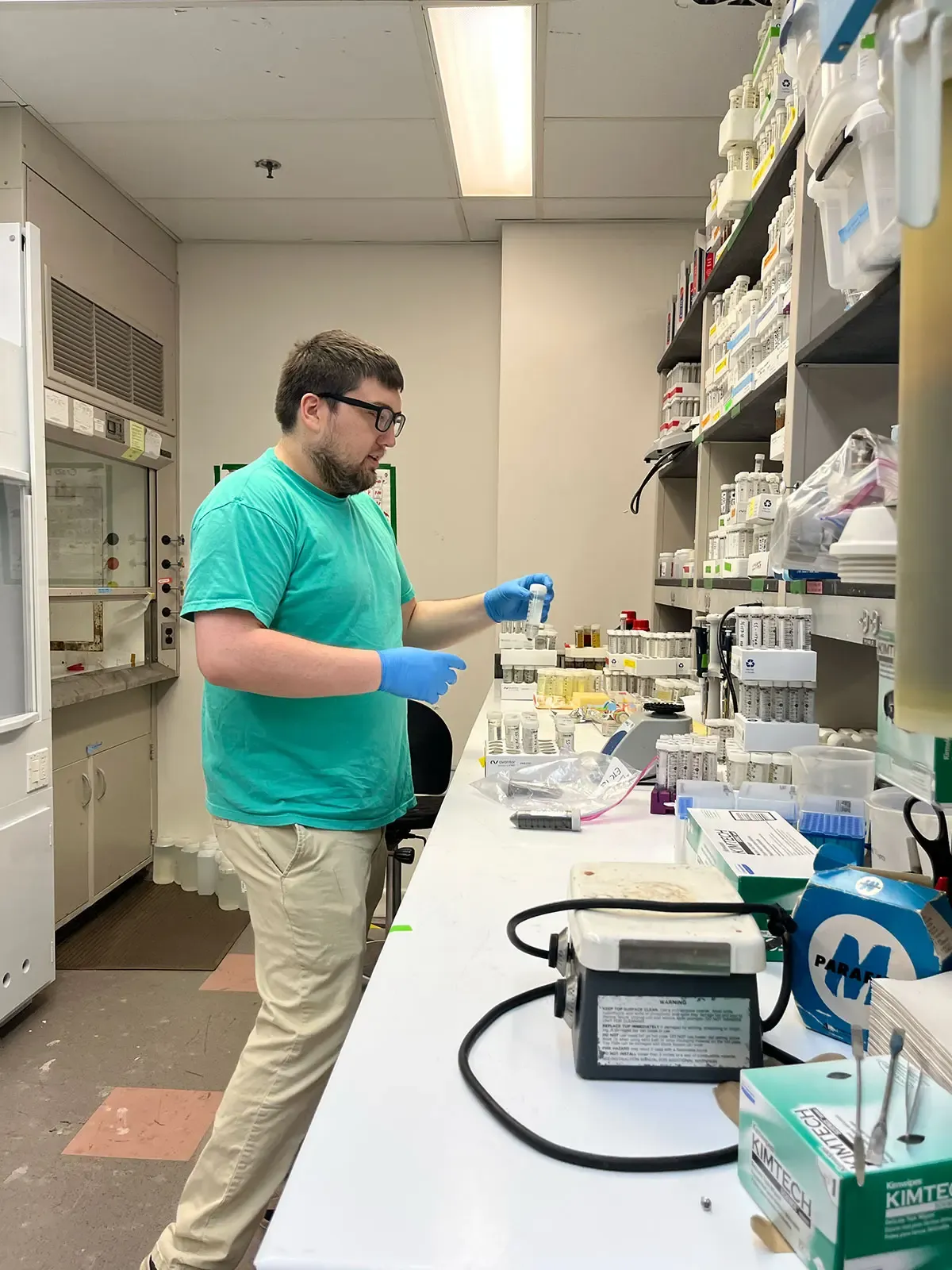
Stratton's doctoral project had three clear goals: confirm lead exposure in Trenton, identify the sources, and figure out how residents could actually reduce their exposure. He became a one-man lead-sniffing operation: X-ray fluorescence gun for walls, vials for kitchen sink water, soil samples from yards. Then, back to the Rutgers lab.
He didn't just collect data; he delivered answers. Residents received full results, next steps, medical info, and his and his supervisor's phone numbers. No vanishing reports here.
His dissertation defense in February revealed a grim reality: most homes he tested had lead in dust, paint, or pipes. All homes tested for floor dust had detectable lead, with 86% exceeding the EPA's action level. Even homes without lead-based paint were at risk from old outdoor dust, a toxic legacy of Trenton's history of lead-based ceramics manufacturing, gasoline, and atmospheric aerosols. And that common advice to run the tap for five minutes? Not nearly enough to flush out the lead, he found. Water filters, he suggested, were the real move.
A week later, Stratton shared his findings with over 30 collaborators and community members, giving out small 3D-printed maps of East Trenton as gifts. The EPA's Superfund designation means a cleanup is coming for the soil, but it's a slow, decades-long process that doesn't cover pipes or paint. For now, Stratton's research has given residents like Kim Booker immediate answers.
Booker now vacuums instead of sweeps and makes sure her nieces take off their shoes and wash their hands after playing in the yard. "Knowledge is only powerful and beneficial if its effects change," Booker said. "We can know there is a problem, but without action, the problem simply remains." Let that sink in.