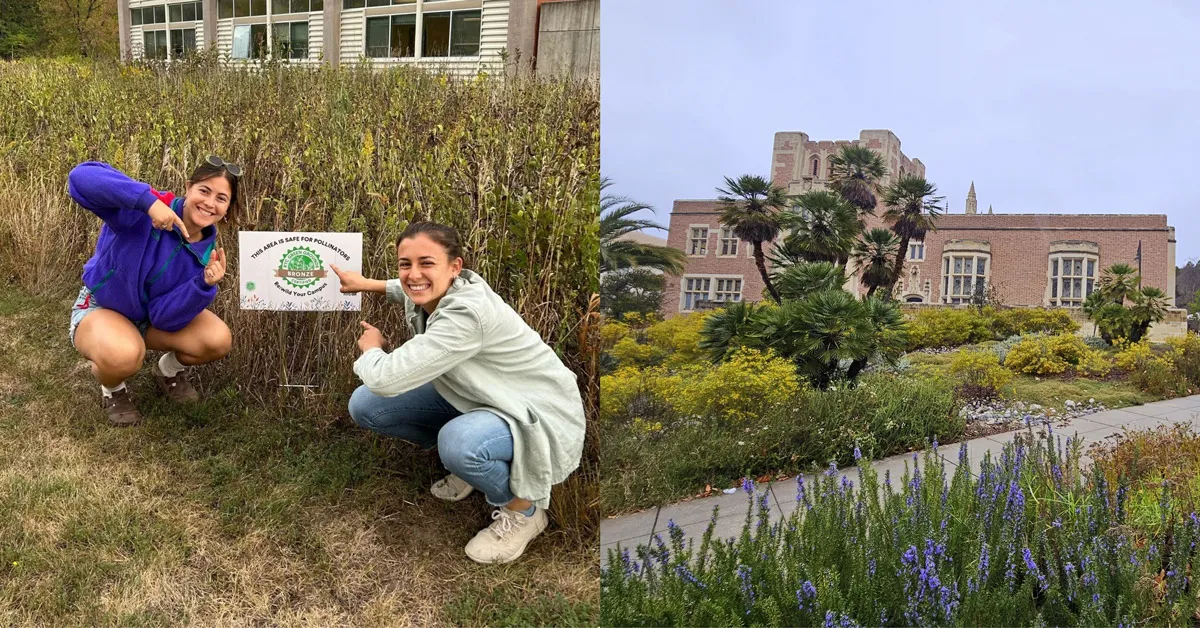
In 2017, Mackenzie Feldman and Bridget Gustafson were playing beach volleyball at UC Berkeley. They learned their courts had been sprayed with an herbicide linked to cancer and environmental harm.
The two students immediately offered a solution. They told university officials their entire volleyball team would pull weeds if the school stopped using herbicides. The campaign quickly grew on campus.
Now, UC Berkeley manages 95% of its 1,171 acres organically. It avoids inorganic fertilizers, chemical pesticides, fungicides, and herbicides.
We're a new kind of news feed.
Regular news is designed to drain you. We're a non-profit built to restore you. Every story we publish is scored for impact, progress, and hope.
Start Your News DetoxRewilding Campuses Nationwide
Feldman and Gustafson then launched Re:wild Your Campus. This nonprofit helps college students and groundskeepers turn campuses into biodiverse spaces. These spaces support pollinators without toxic chemicals.
They created the RYC Green Grounds certification. This program gives colleges tools to take action and set an example. Experts, groundskeepers, students, and sustainability professionals helped develop it.
The nonprofit's website explains that the program goes beyond just reducing pesticides. It encourages practices that boost biodiversity, save water, improve soil, and advance campus sustainability.
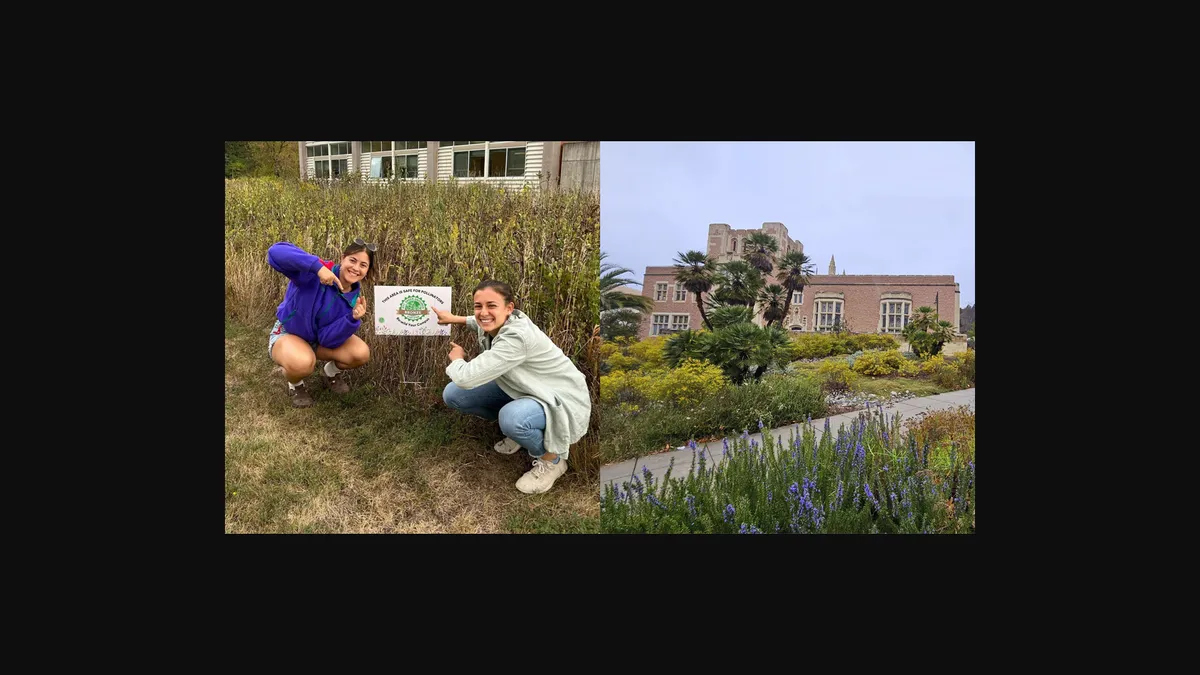 Photo courtesy of Re:wild Your Campus
By 2025, 15 college campuses were Green Grounds Certified. Over 700 students and administrators had been trained for rewilding projects.
UCLA earned a gold-level Green Grounds Certification in 2025. They achieved this by converting turf areas to drought-tolerant plants. Over 30,000 square feet of turf became California native, drought-tolerant plants.
Nurit Katz, UCLA’s chief sustainability officer, said this certification shows the hard work of many at UCLA. She hopes these climate-resilient landscapes become a standard beyond their campus. They support human and ecological health.
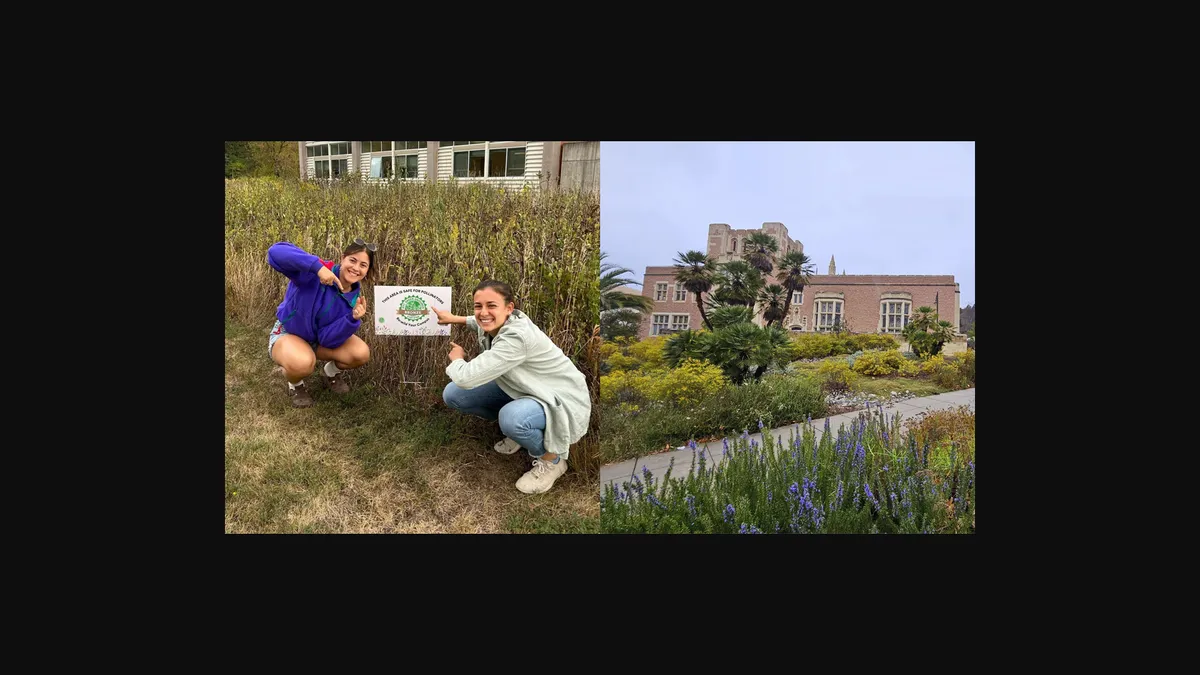 Photo by Nurit Katz/UCLA
The work of Re:wild Your Campus now includes improving soil health, increasing biodiversity, reducing emissions, and building skills for young people.
Re:wild's website states that chemical sprays prioritize short-term looks over long-term health. They believe another future is possible. This future involves campuses that nurture biodiversity, protect people, and connect communities to nature.