Three massive electric thrusters just passed their final tests, and they're about to make a very long commute possible.
L3Harris Technologies, based in Melbourne, has delivered three 12-kilowatt Advanced Electric Propulsion System thrusters to NASA—the most powerful electric propulsion system ever sent to space. These aren't your standard rocket engines. They'll power NASA's Gateway, a space station that will orbit the Moon and serve as the staging point for astronauts heading to the lunar surface as part of the Artemis missions.
Why electric matters
Electric thrusters sound exotic, but the advantage is straightforward: they're far more fuel-efficient than chemical rockets. That efficiency compounds over long-duration missions. The Gateway won't be making a quick trip—it needs to maintain a stable lunar orbit for years, supporting repeated crew rotations and cargo runs. Chemical propulsion would require hauling enormous amounts of fuel. Electric thrusters do the same job with a fraction of the weight.
We're a new kind of news feed.
Regular news is designed to drain you. We're a non-profit built to restore you. Every story we publish is scored for impact, progress, and hope.
Start Your News DetoxThe thrusters have already survived the gauntlet. L3Harris ran vibration tests at its Redmond facility, then NASA's Glenn Research Center in Cleveland put them through extensive hot-fire testing this year. The tests validated that these systems can handle the demands of deep space operations and integrate properly into the Gateway's Power and Propulsion Element.
What comes next
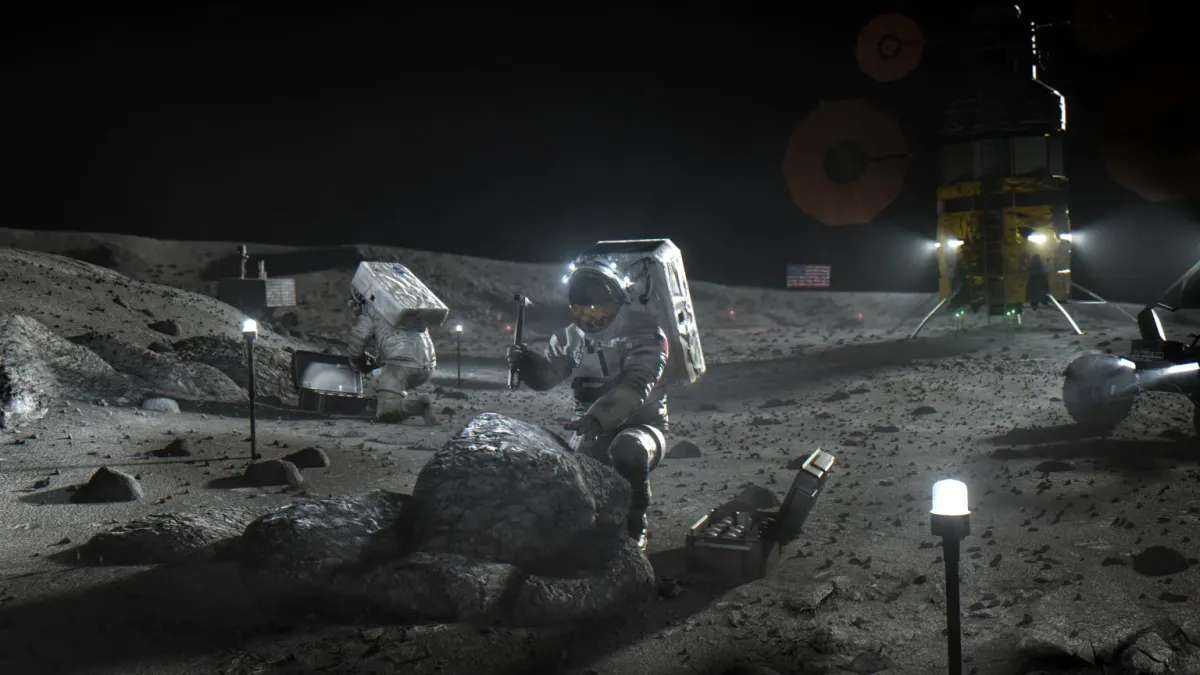
The Gateway itself is designed as humanity's first lunar space station—a pressurized habitat where astronauts can prepare for surface missions, conduct science, eat, exercise, and sleep. But the real significance extends beyond the Moon. Once NASA pairs these AEPS thrusters with nuclear power sources, the possibilities expand dramatically. Robotic missions could conduct a grand tour of Jupiter and its moons. Large cargo vessels could reach Mars. The efficiency gains that make lunar orbit maintenance practical suddenly enable exploration that was previously impractical.
The Artemis program has been methodical about building the infrastructure for sustained lunar presence. These thrusters represent a crucial piece of that puzzle—the kind of technical achievement that doesn't make headlines but makes everything else possible. Artemis IV astronauts will owe their journey to the Moon partly to engineers who figured out how to make electric propulsion work at scale.