A 13-year-old boy off Australia's southwest coast made a decision that probably saved his family's life: he ditched his lifejacket halfway through a grueling swim to shore.
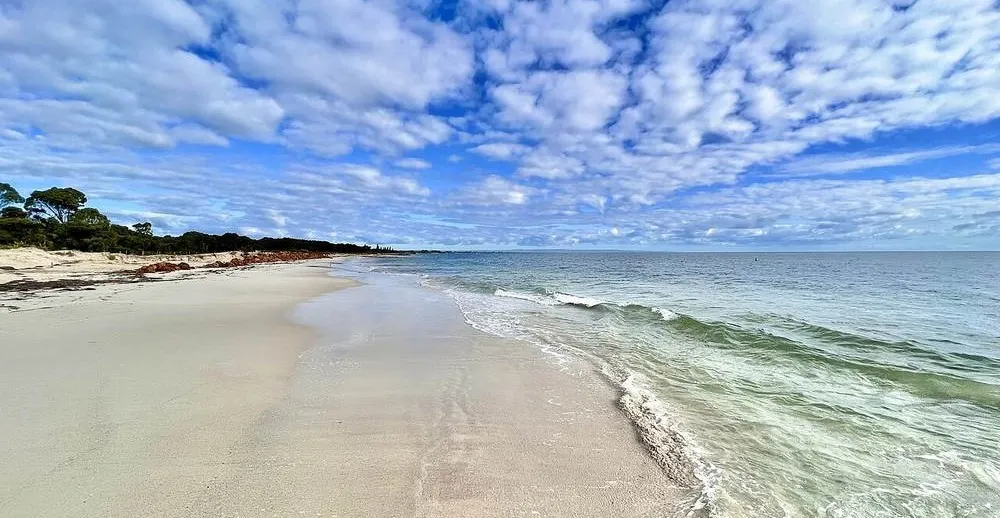
It started as a holiday near Quindalup. Strong winds caught the family's inflatable paddleboards and swept them out to sea—the boy separated from his mother and two siblings as his canoe began filling with water. He had maybe one option: swim for help.
For the first two hours, he kept the lifejacket on, fighting against the wind and current. Then he realized it wasn't working. "The brave fella thought he's not going to make it with a life jacket on, so he ditched it, and he swam the next 2 hours without a life jacket," said Commander Paul Bresland of Cape Naturaliste Marine Rescue. "I thought, 'Mate, that is incredible.'"
We're a new kind of news feed.
Regular news is designed to drain you. We're a non-profit built to restore you. Every story we publish is scored for impact, progress, and hope.
Start Your News DetoxWhen he reached shore, exhausted, he raised the alarm immediately. Water Police and a rescue helicopter scrambled. The boy gave detailed descriptions of the paddleboards—his mother, his 8-year-old sister, and 14-year-old brother were now 7 miles out in the Indian Ocean.
What happened next matters as much as the swim. His mother, struggling to keep both younger children on the paddleboard in choppy water, simply didn't give up. "Physically, she just said, 'I'm struggling, I can't,' but she just said they're looking her in the eye, and she just kept going and kept them together," Bresland said. Within an hour of the boy reaching shore, rescuers found them.
What actually worked
The family was discharged from hospital quickly. They recovered enough to visit the rescue organization in person to say thank you—the kind of detail that matters more than any headline.
Police Inspector James Bradley noted what probably saved them: the whole family was wearing lifejackets. The boy's decision to ditch his wasn't recklessness—it was calculated. And the mother's refusal to let panic override her grip on her children kept them together until help arrived.
The story also landed a quiet safety message: monitor wind speeds near shore. Pay attention to conditions before they become emergencies. Most rescues start with prevention.