
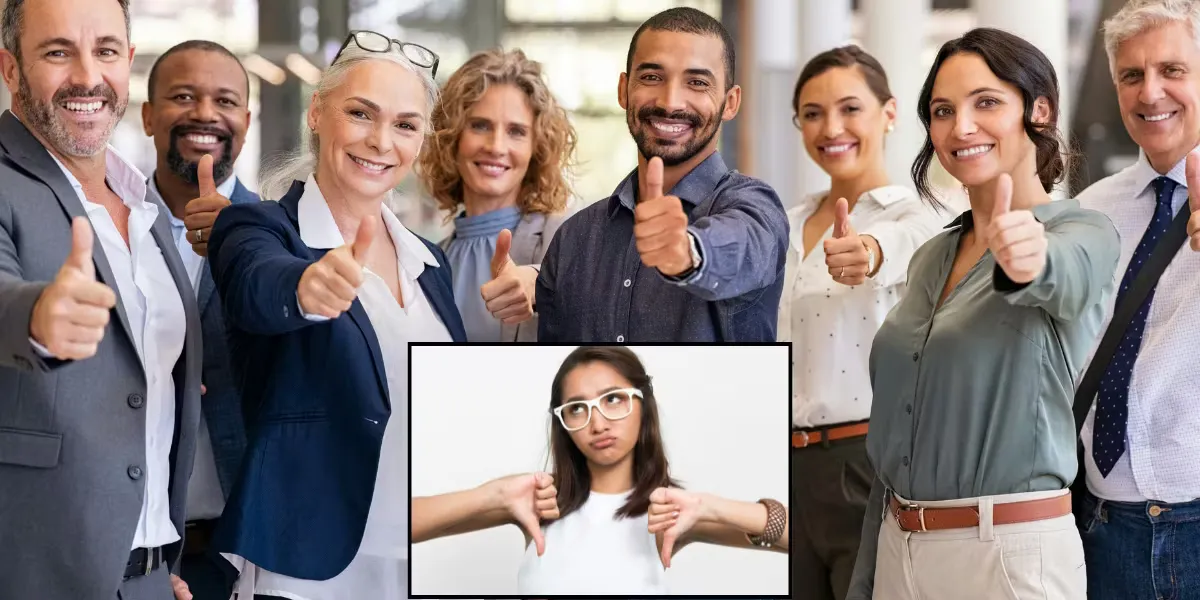
A LinkedIn post from Gen Z user Yanni Pappas declaring the thumbs up emoji officially "canceled" sparked something unexpected: Gen X showed up to double down on using it, with comments like "GenX here. We're ignoring you and using it any way. 👍" and "You can pry my 👍 from my cold, dead hands."
The dust-up reveals something real about how digital communication has fractured across generations. To Gen Z, the thumbs up reads as dismissive—a low-effort, vaguely passive-aggressive way to acknowledge a message without actually engaging. To Gen X, it's just... a thumbs up. A quick way to say "got it." Neither side is wrong, exactly. They're just speaking different dialects of digital.
Psychotherapist Sascha Kirpalani points out that emojis carry invisible weight. A thumbs up can leave the recipient feeling "unseen," because it signals acknowledgment without emotional investment. For a generation that grew up expecting more expressive, nuanced communication, that gap feels intentional—like being acknowledged but not really heard.
We're a new kind of news feed.
Regular news is designed to drain you. We're a non-profit built to restore you. Every story we publish is scored for impact, progress, and hope.
Start Your News DetoxGen Z's preference for fuller responses—actual words, multiple emojis, reactions that feel more textured—makes sense when you consider how they've been communicating since childhood. They've had emoji options that Gen X didn't, and they've learned to read tone into the smallest digital choices. A thumbs up isn't neutral to them; it's a statement.
But here's where it gets interesting: Gen X's response wasn't actually defensive. It was their trademark move—a deliberate, slightly sarcastic insistence on doing things their way. They weren't angry about being misunderstood. They were amused by the idea that their communication style could be "canceled" and decided to lean into it.
The real takeaway isn't that one generation is right and the other wrong. It's that digital communication has become layered with assumptions. A thumbs up means different things depending on who's sending it and who's reading it. The same gesture that feels warm and affirming to one person can feel cold and dismissive to another—not because of intent, but because context and generational norms have trained us to read it differently.
The solution isn't choosing sides or declaring emojis dead. It's recognizing that when communication styles clash, it's worth asking: What did you mean by that? What did I understand? The gap between those two things is where most generational friction lives.