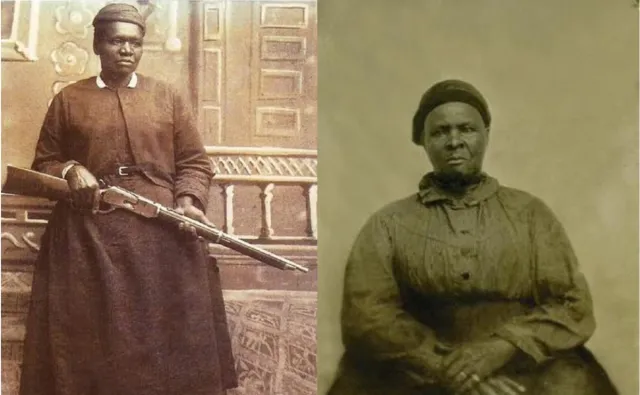
In 1895, a Black woman named Mary Fields became the first of her kind to sign a postal contract with the U.S. government. She earned her nickname—Stagecoach Mary—the old-fashioned way: by doing the work that made it stick.
Fields had been born enslaved in Tennessee in the early 1830s. After emancipation, she drifted through odd jobs until she landed at a convent in Toledo, Ohio, working as a groundskeeper and hunting game to feed the community. She eventually moved to another convent in Cascade, Montana, where she did similar work.
But Fields was never going to fit neatly into anyone's expectations. She smoked. She drank. She carried guns and had a gruffness that made some of the nuns deeply uncomfortable. When the friction became unbearable, a sympathetic Mother Superior made her an offer: take this stagecoach and make your own way.
We're a new kind of news feed.
Regular news is designed to drain you. We're a non-profit built to restore you. Every story we publish is scored for impact, progress, and hope.
Start Your News DetoxFields took it. She applied for a postal route in Cascade and got it—becoming the first Black woman ever contracted to deliver U.S. mail.
The Route That Tested Her
For eight years, Fields drove that stagecoach through some of the harshest terrain Montana could offer. She protected her mail and her route from wolves and bandits with the same steady resolve she'd brought to everything else. When winter snow made the roads impassable for the stagecoach, she strapped on snowshoes and walked the route instead. She never missed a day.
When she finally retired from the postal service, Fields started her own laundry business in town—another venture she ran with the same uncompromising work ethic. She died in 1914 and was buried in Cascade, the place that had become hers.
Stagecoach Mary's story matters not because it's exceptional in her courage—though it was—but because it's almost forgotten. She existed in a time and place where a Black woman with a gun and a mail route shouldn't have been possible. And yet there she was, eight years of unbroken service, earning her name one difficult day at a time.