Michael Catlett married Rogina in a hospital room in Vallejo, California, knowing he had weeks left to live. His doctors had initially given him one to three years. Then the timeline shifted to four weeks. They decided not to wait.
The couple had been together, building a life, but Michael wanted one more thing before he died: to marry the woman he loved. Not someday. Now. So Rogina said yes to a bedside wedding at Sutter Solano Medical Center, orchestrated by volunteers from Wish Upon a Wedding, a nonprofit that grants exactly these kinds of wishes.
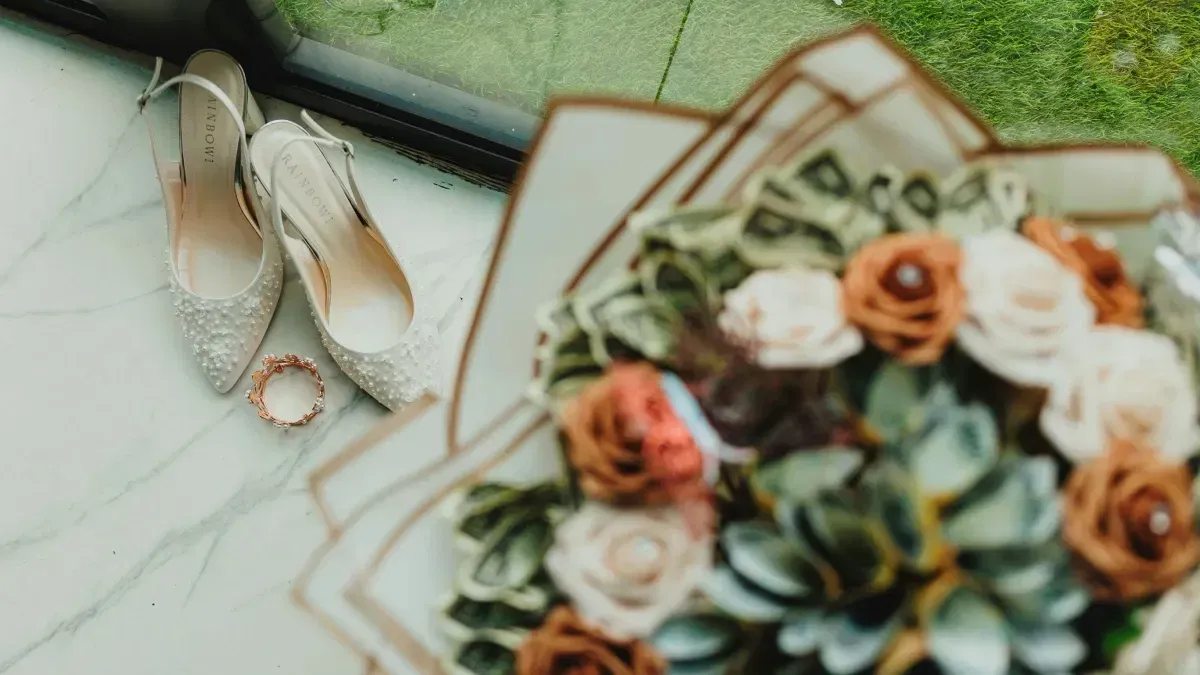
In two days, the organization found a planner, photographer, florist, and officiant. Michael's family gathered around. They became husband and wife in a hospital room, with machines beeping in the background and the people who mattered most watching.
We're a new kind of news feed.
Regular news is designed to drain you. We're a non-profit built to restore you. Every story we publish is scored for impact, progress, and hope.
Start Your News DetoxA week later, Michael died.
What those seven days meant
Rogina has watched their wedding video every night since. "When you love someone, you stay to the end," she told People. "You get an opportunity to express love. Just because the one you love is sick doesn't mean you quit. It becomes not about you but about us."
For her, the marriage wasn't symbolic or sentimental in the way people sometimes use those words to soften loss. It was clarifying. "It meant that I was his everything, his last love, it validated me and what we were to each other," she said. "I felt so special and just wanted to protect him."
In those seven days as his wife, she watched him pull her close in their wedding video. She saw how happy he was. She became Mrs. Michael Catlett. That mattered. Not because marriage is magic or because a hospital room ceremony erases grief — it doesn't — but because in the time they had left, they got to choose how they wanted to be together. They got to say it out loud, in front of witnesses, with intention.
Wish Upon a Wedding exists because some people know their time is running out and they want to spend it as themselves, fully claimed by the person they love. The organization has granted hundreds of wishes for people facing terminal illness. Most of them are small in the eyes of the world. All of them are everything to the person living them.
Rogina still watches that video. She still sees him pull her close. She still knows how happy he was. That's what a week of marriage looks like when you're running out of time — not a consolation prize, but a choice to say: this matters. You matter. We matter.