
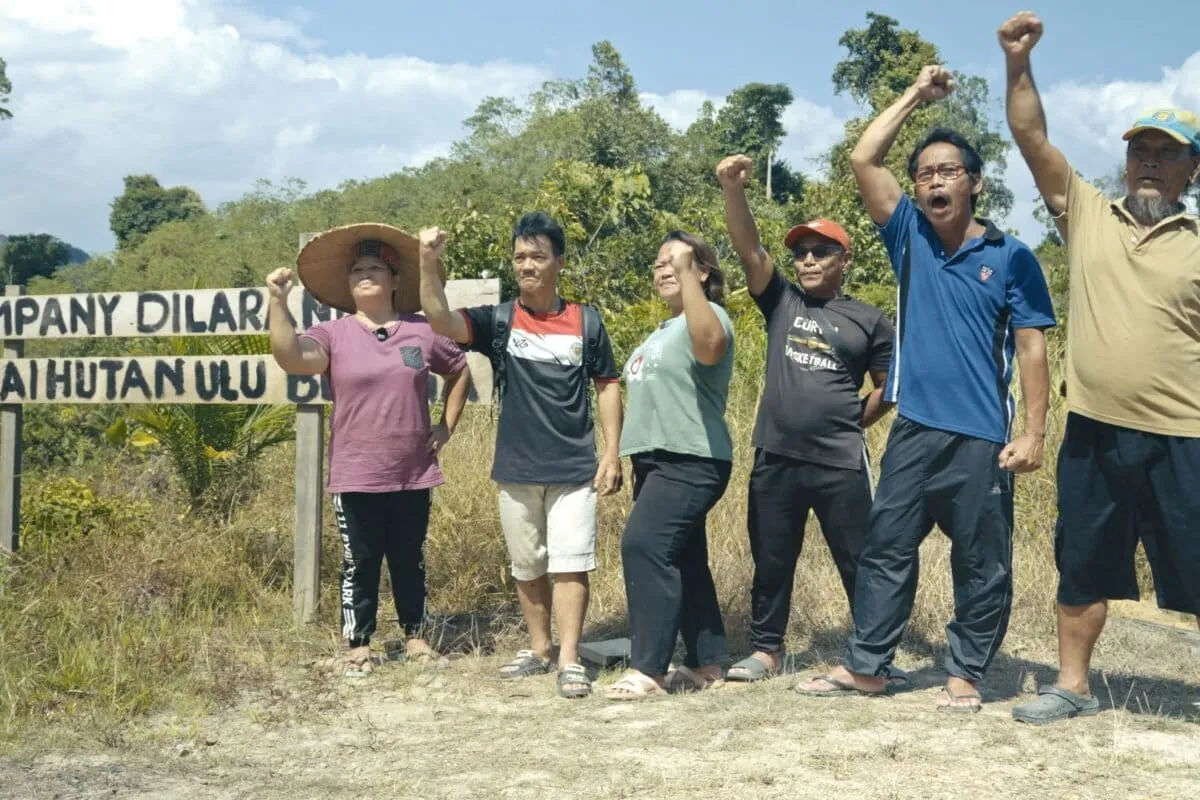
Indigenous communities in central Sarawak have won a temporary halt to forest clearing on their land—but they're keeping close watch on what happens next.
The Penan and Kenyah residents of Long Urun have been fighting Urun Plantations over land they say should remain standing. This week, after a media campaign by local groups SAVE Rivers and The Borneo Project, the company agreed to stop clearing. The pressure worked partly through the supply chain: Glenealy/Samling Belaga Mill, the last major buyer of palm fruit from Urun Plantations within 50 kilometers, suspended its orders.

What the pause actually means
Eileen Clare Ipa, who lives in Uma Pawa village within Long Urun, described the moment plainly: the trees have stopped falling, but the work hasn't stopped entirely. The company is still planting oil palm seedlings and maintaining the land it has already cleared. A moratorium, in other words, isn't the same as a reversal.
We're a new kind of news feed.
Regular news is designed to drain you. We're a non-profit built to restore you. Every story we publish is scored for impact, progress, and hope.
Start Your News DetoxThis distinction matters. The community has halted one threat—immediate further forest loss—but the underlying conflict remains unresolved. Urun Plantations maintains that its clearing was legal under Malaysian law, even as the residents argue the land should never have been cleared at all. The certification the company holds, marketed as "sustainable," clearly didn't prevent the dispute.
What makes this a cautious win rather than a full one is precisely this gap between what's been stopped and what's been won. The moratorium gives the Penan and Kenyah communities breathing room and, more importantly, proof that pressure works. When international buyers care about where their palm comes from, supply chains respond. That's a real lever.
The communities remain vigilant—watching to see if the pause holds, if the company resumes clearing elsewhere, if the mill's suspension becomes permanent. In disputes over land and resources in Malaysian Borneo, temporary victories are often the only kind available, which is why staying alert matters as much as celebrating the win.