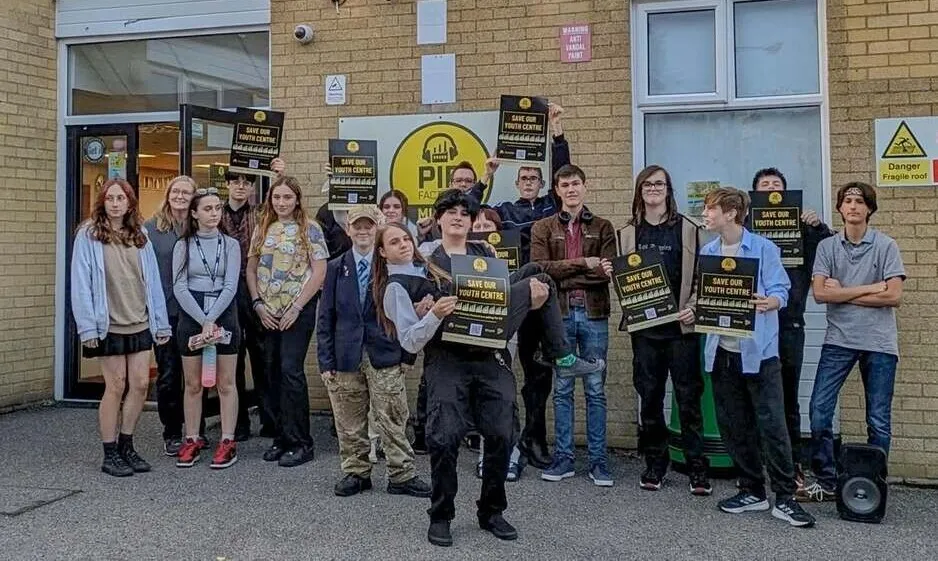
Pie Factory Music almost didn't make it to year 14. The nonprofit, based in Ramsgate on England's Kent coast, faced losing its building when the local council prepared to auction the land beneath it. But after 13 years of offering counseling, job advice, and creative space to young people aged 8 to 25, the center's team and community allies decided that wasn't how the story would end.
When the threat became real, Pie Factory mobilized. Staff and supporters organized a campaign to demonstrate what the center actually meant to Ramsgate—a town with some of England's highest poverty rates. They weren't just fighting to keep a building open. They were fighting to preserve one of the few places where a young person could walk in, find a counselor who listened, get help with a job application, or simply sit in a room where someone cared whether they showed up.
The organizers applied for a grant from the government's "Pride in Place" fund, designed to support deprived communities across the country. In September, they succeeded. With more than £500,000, Pie Factory bought the freehold to the land outright—no more precarious leasing, no more auction threats.
We're a new kind of news feed.
Regular news is designed to drain you. We're a non-profit built to restore you. Every story we publish is scored for impact, progress, and hope.
Start Your News Detox"Knowing our future in the building is secure fills us with hope and relief," said Zoë Carassik, Pie Factory's chief executive. The board chair who signed off on the funding was equally clear: this wasn't charity. It was a statement that young people in Ramsgate deserve safe, positive spaces to grow.
What makes Pie Factory work is deceptively simple. There's always music playing. Refugee families run cooking classes. Kids organize soccer matches in the yard. But the constant—the thing that threads through everything—is that every young person who walks through the door gets a turn choosing what plays next. That small act of being heard, being given control, being seen as someone whose taste matters, happens thousands of times a year in that building.
Now it will keep happening. Not because the story had a happy ending handed to it, but because people in Ramsgate refused to let a vital piece of their community disappear.