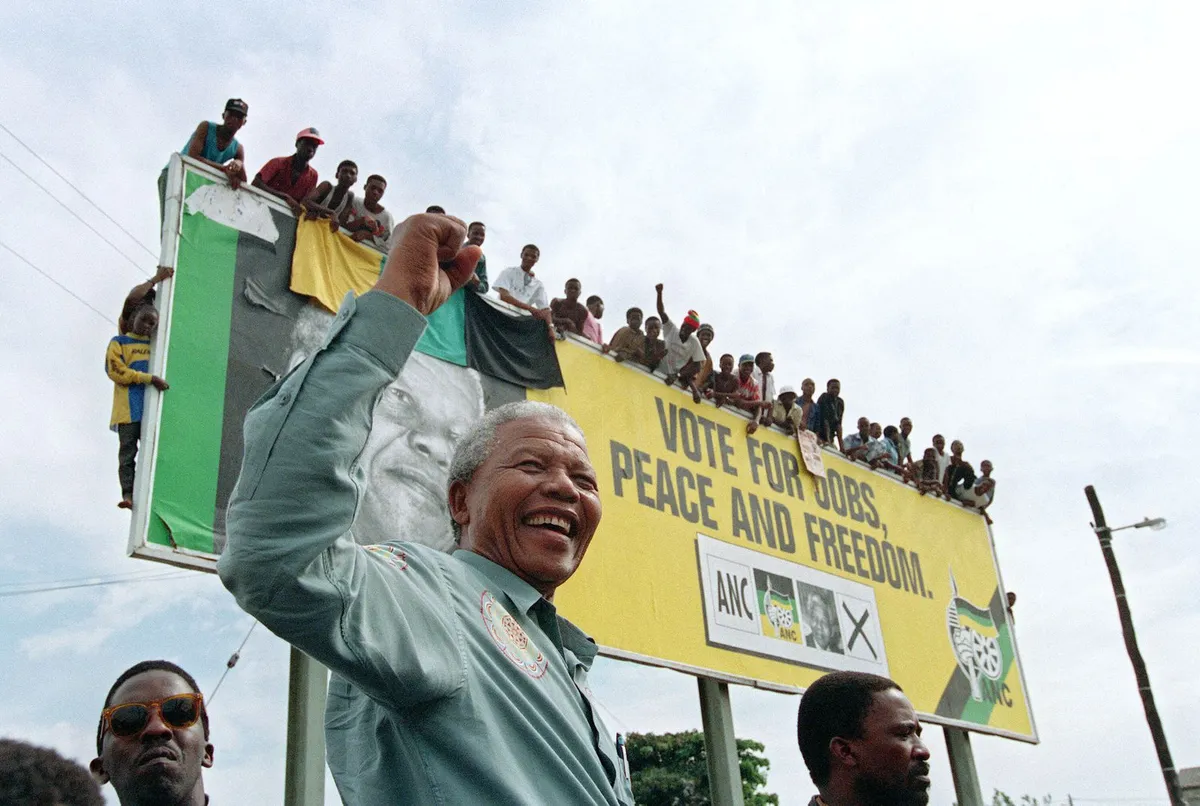
A South African court has ruled that more than 70 objects once belonging to Nelson Mandela—including his aviator sunglasses, a prison key from Robben Island, and a signed copy of the country's first post-apartheid constitution—can be sold at auction and exported internationally.
The collection belongs to Mandela's eldest daughter, Makaziwe Mandela, and Christo Brand, a warden who worked at Robben Island during Mandela's 18-year detention there. The Supreme Court of Appeal's decision, reached on January 23, ends a years-long legal dispute that pitted Mandela's family against South Africa's Heritage Resources Agency (SAHRA).
The heart of the disagreement
SAHRA had argued the items were protected under the National Heritage Resources Act and should remain in South Africa. The government supported this position, with Arts and Culture Minister Zizi Kodwa stating in 2024 that Mandela's life and work "remain in the country for generations to come." But the court disagreed, finding no legal grounds to prevent the sale.
We're a new kind of news feed.
Regular news is designed to drain you. We're a non-profit built to restore you. Every story we publish is scored for impact, progress, and hope.
Start Your News DetoxMakaziwe Mandela expressed frustration with the prolonged battle. "It is arrogant of an entity such as SAHRA to presume to know my father's last wishes better than those who were beside him at the end, his family," she told the New York Times.
The items tell the story of Mandela's life across decades. There's the identification card from his prison years, walking sticks from his later life, and gifts from American presidents: a pen from George W. Bush, a champagne cooler from Bill Clinton, and a blanket from Barack Obama. An original charcoal drawing made by Mandela's own hand is also in the collection, along with a signed copy of South Africa's 1996 constitution—the document that formally ended apartheid.
The auction, being handled by New York-based Guernsey's, has been planned since 2021. Proceeds from the sale will fund a memorial garden at Mandela's grave in Qunu, South Africa—a destination for the money that reflects the family's intent to honor their father's legacy within the country, even as his personal artifacts move beyond its borders.